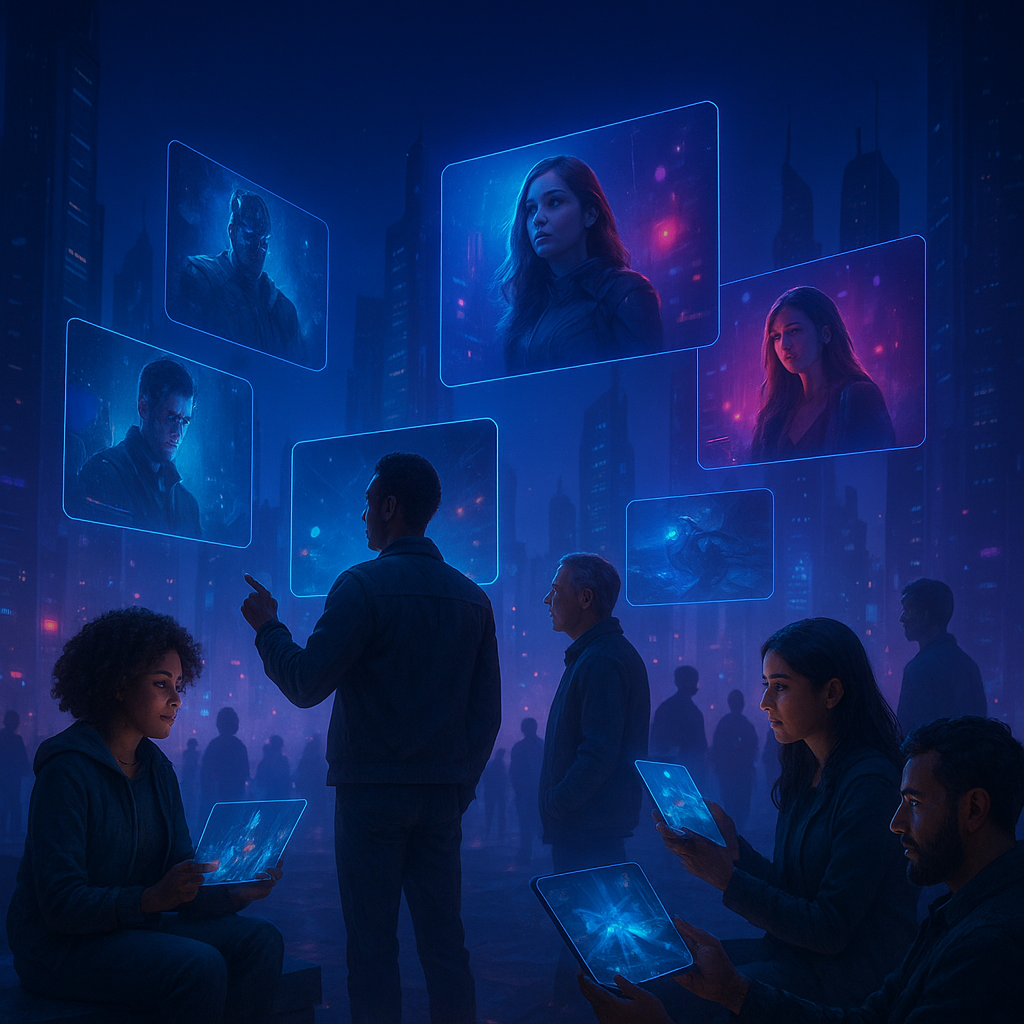
Travel is rarely as continuous as it looks on a map. It’s a sequence of stops, starts, delays, and detours stitched together into something that feels like motion. Between those stitched moments, online gaming has quietly become a companion that reshapes how time behaves during a journey.
Visit: https://lu88z.ac/
The Waiting That Defines Movement
Most travel time is not spent moving—it’s spent waiting to move. Boarding gates, traffic signals, baggage claims, rest breaks, and unexpected delays create long stretches where nothing is actively happening.
Online gaming fills that stillness with structure. Instead of time stretching out unpredictably, it becomes segmented into matches, missions, and short goals that give each pause a clear beginning and end.
A Game World That Never Needs Packing
One of the reasons online gaming blends so well with travel is its lack of physical presence. There are no boxes, no setup rituals, no extra weight to carry.
The entire experience lives inside devices that are already part of travel essentials. The same phone used for tickets, maps, and messages becomes a portal to an entirely different world, instantly available whenever there is a break in movement.
Consistency in Constant Change
Travel constantly replaces the familiar with the unfamiliar. New places, new routines, and new environments keep the mind alert—but also slightly unsettled.
Online games offer the opposite experience. Their rules remain unchanged, their systems behave predictably, and their environments stay consistent. That stability becomes a kind of anchor in an otherwise shifting landscape.
Staying Social Without Staying Still
Online gaming also keeps social connections alive during travel. Friends, teammates, and online communities remain accessible regardless of location.
This means travel no longer interrupts shared experiences. Even while physically far away, players can continue participating in the same digital spaces and ongoing interactions.
The Invisible Role of Connectivity
Gaming on the move depends heavily on internet access, and travel exposes how inconsistent that access can be. Some places offer strong, seamless connections, while others introduce lag, limitations, or complete disconnection.
Because of this, connectivity becomes an invisible force shaping the experience—deciding when play is smooth, when it is disrupted, and when it is not possible at all.
Balancing Presence and Escape
Travel demands attention to the real world—people, places, directions, and experiences. Online gaming shifts attention inward toward structured systems and digital engagement.
Neither mode is inherently better. The experience depends on balance: using gaming to enhance downtime without letting it overshadow the journey itself.
Two Worlds, One Trip
Modern travel often unfolds across two layers at once. One is physical, involving movement through real-world geography. The other is digital, involving progression through games and online interactions.
Online gaming exists entirely in the digital layer, but it runs alongside the physical journey, with travelers switching between both as circumstances allow.
The Quiet Normal of Playing Anywhere
As technology advances, gaming during travel has become increasingly natural. Faster networks, cloud-based systems, and powerful mobile devices have removed many earlier limitations.
What once felt like a separate activity is now woven into everyday travel behavior, almost unnoticed.
Go to: Lu88
A Companion in the Gaps Between Places
In the end, online gaming is not the main event of travel—it is what fills its gaps. It turns waiting into interaction, silence into structure, and distance into continuity.
Travel will always be about discovering the physical world. But alongside it runs another journey—quiet, persistent, and digital—ready to load every time the real world pauses long enough for play.