Introduction
You open Instagram for "just five minutes" and suddenly an hour has vanished. You've scrolled through perfectly curated vacation photos, flawless bodies, career achievements, and relationship highlights. You close the app feeling somehow worse about your own life—less successful, less attractive, less interesting. Sound familiar? You're experiencing what's become one of the most significant mental health challenges of our generation: social media's toxic effect on psychological wellbeing. Recent studies show that people spending more than three hours daily on social platforms have double the risk of depression and anxiety. Yet most of us can't imagine life without constant connectivity. Let's examine what's really happening to your mental health behind those endless scrolls.
The Comparison Trap
Social media creates the ultimate comparison trap. Everyone posts their highlight reel—the promotion, the vacation, the perfect family moment. You're comparing your behind-the-scenes reality to everyone else's carefully edited showcase. Your brain doesn't distinguish between real life and curated content, so you genuinely feel like everyone's life is better than yours.
This constant comparison triggers what psychologists call "upward social comparison"—measuring yourself against people who seem superior. It erodes self-esteem, creates feelings of inadequacy, and fuels a sense that you're falling behind in some invisible race. The irony? Those people you're envying are probably scrolling their feeds feeling the exact same way about others.
The Validation Addiction
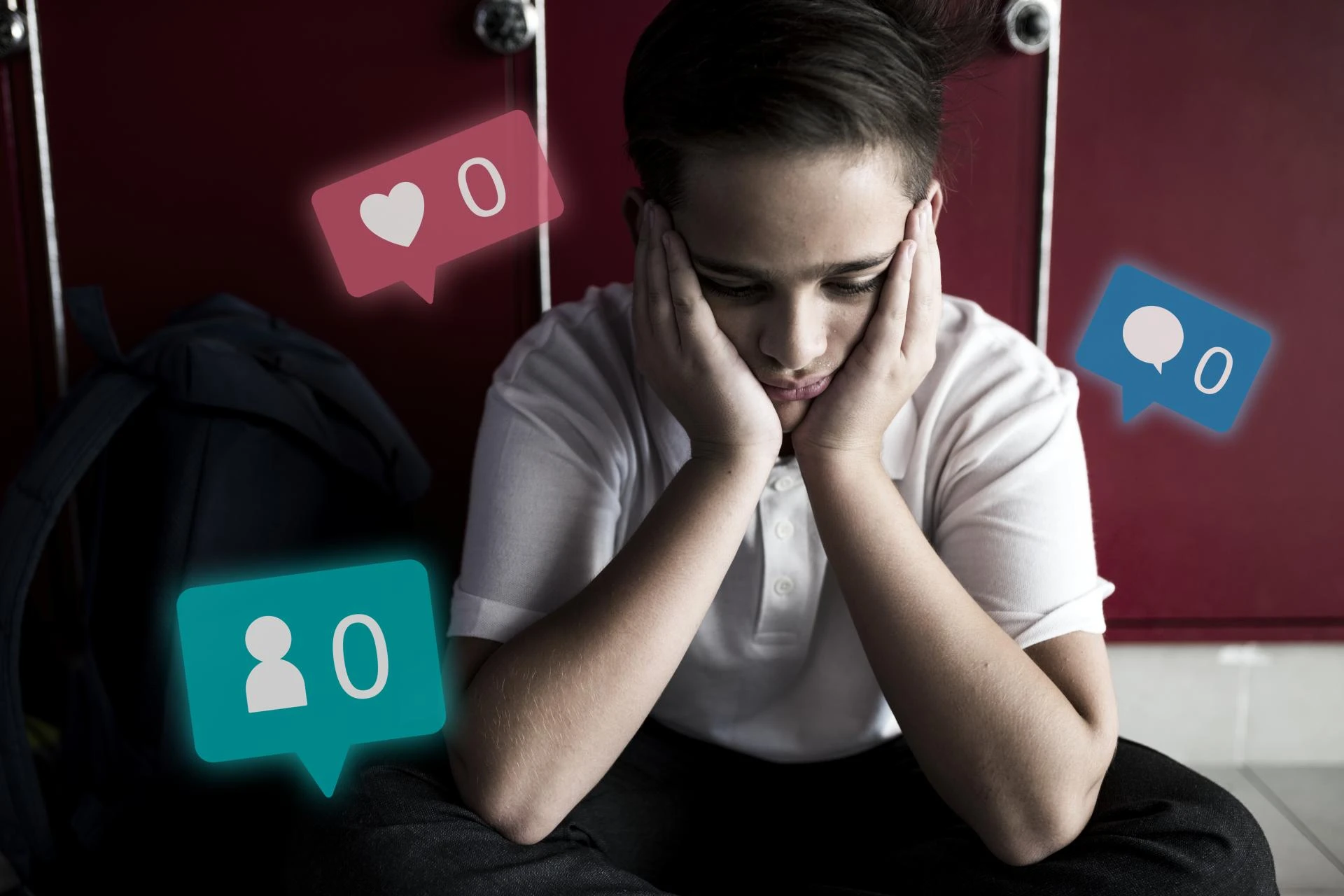
Likes, comments, shares—these digital validations trigger dopamine release, the same neurochemical involved in addiction. Your brain starts craving these hits of validation, checking notifications compulsively. When posts don't get expected engagement, it feels like social rejection, triggering genuine emotional pain.
You begin curating your own life for maximum engagement rather than authentic expression. Experiences become photo opportunities. Achievements matter less for personal satisfaction than for how they'll look online. This performative living disconnects you from genuine experiences and relationships, creating an exhausting double life—the real you and your online persona.
FOMO and Anxiety Amplification
Fear of Missing Out isn't new, but social media weaponizes it. You constantly see events, gatherings, and experiences happening without you. Even when you're invited, you worry about what else you might be missing. This creates persistent low-level anxiety that never fully resolves because there's always more content showing you something you're not doing.
For people already prone to anxiety, social media becomes an amplifier. Doomscrolling—endlessly consuming negative news—keeps your nervous system in fight-or-flight mode. Your brain interprets this constant stream of threats as if they're happening to you directly, maintaining chronic stress that damages both mental and physical health.
Sleep Disruption and Mental Health
Late-night scrolling destroys sleep quality. Blue light from screens suppresses melatonin production, making falling asleep difficult. Even after you finally put your phone down, your brain remains activated by the content you consumed. Poor sleep directly worsens depression, anxiety, and emotional regulation—creating a vicious cycle where social media disrupts sleep, which worsens mental health, which drives more escapist scrolling.
Breaking Free Without Quitting Completely
You don't need to delete all social media (though some people find that helpful). Instead, establish boundaries:
Set Time Limits: Use app timers to cap daily usage at 30-60 minutes. When the limit hits, actually stop.
Curate Your Feed Ruthlessly: Unfollow accounts that trigger comparison, anxiety, or negativity. Follow people who inspire rather than intimidate.
Designate Phone-Free Times: No screens during meals, first hour after waking, or last hour before bed.
Turn Off Notifications: Stop letting apps dictate when you pay attention to them.
Reality Check: Remind yourself that social media isn't real life—it's edited, filtered, and curated.
When Social Media Use Becomes Clinical
If social media is causing persistent anxiety or depression, interfering with real-life relationships, disrupting sleep or work, or you can't reduce usage despite negative consequences, professional help becomes important.
Mental health professionals, including experienced psychiatrists like the best psychiatrist in Jaipur, can help identify whether social media is triggering or worsening underlying conditions like anxiety, depression, or ADHD, provide cognitive behavioral therapy to change social media habits and thought patterns, treat associated sleep disturbances or mood disorders, and develop personalized strategies for healthier technology relationships.
Final Thoughts
Social media isn't inherently evil, but unchecked consumption damages mental health in measurable ways. Your worth isn't determined by followers, likes, or how your life looks online. Real connection happens face-to-face, real achievement happens offline, and real happiness exists in moments you're too present to photograph. Take control of your relationship with social media before it controls you.