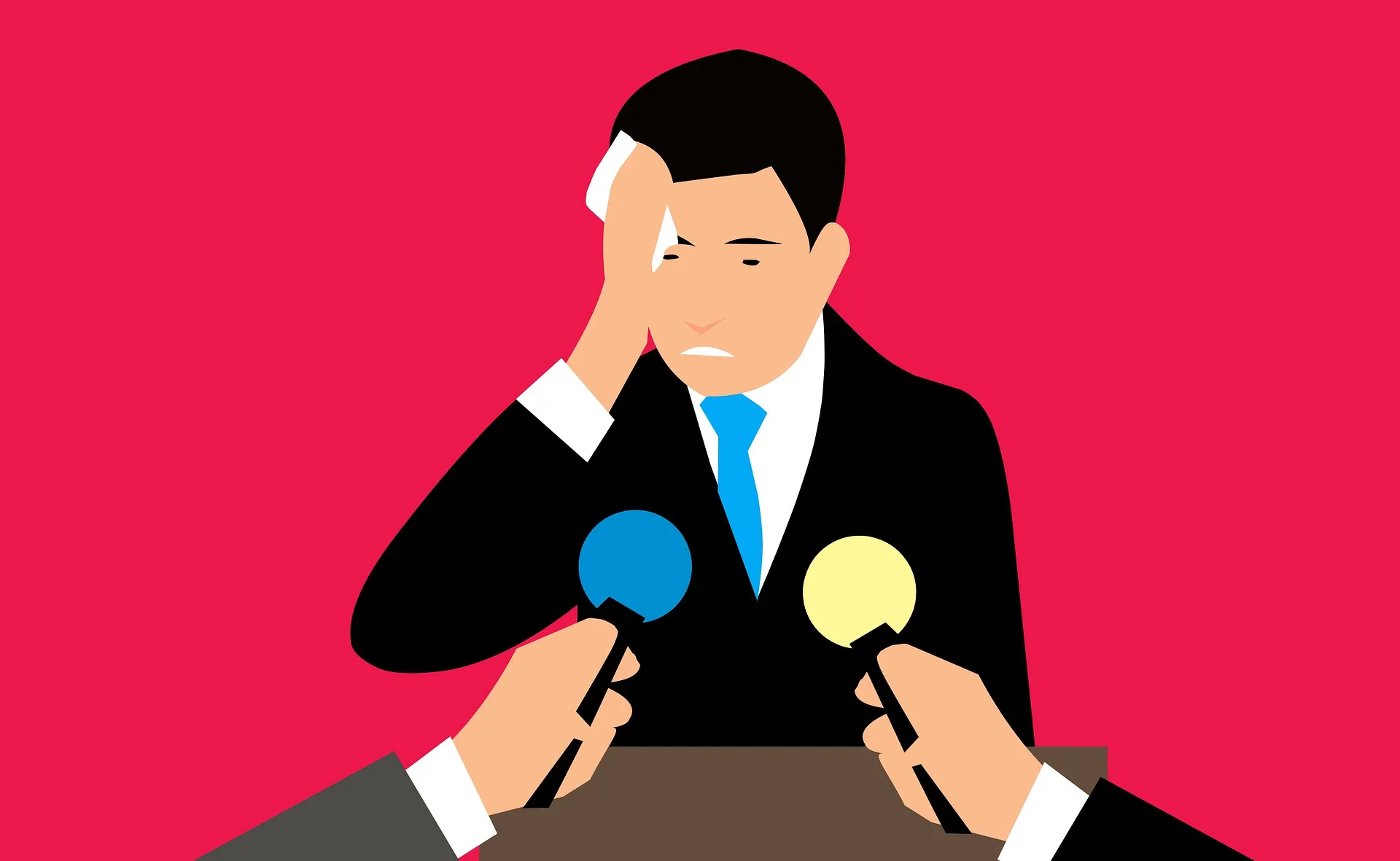
Social anxiety disorder (SAD) is more than just shyness—it’s a persistent fear of being judged, embarrassed, or negatively evaluated in social situations. Left untreated, it can affect relationships, career growth, and overall quality of life. The good news is that social anxiety disorder is highly treatable with the right approach and support.
In this blog, we’ll explore effective social anxiety disorder treatments and how Stability Mental Health helps individuals build confidence and reclaim control over their lives.
What Is Social Anxiety Disorder?
Social anxiety disorder is a mental health condition characterized by intense anxiety in situations such as:
- Speaking in public
- Meeting new people
- Attending social gatherings
- Being observed while doing everyday tasks
People with SAD often experience physical symptoms like sweating, rapid heartbeat, trembling, or nausea—making social interactions feel overwhelming.
Why Treatment Matters
Without treatment, social anxiety can become more severe over time. It may lead to:
- Isolation and loneliness
- Low self-esteem
- Depression
- Missed personal and professional opportunities
Seeking help early can significantly improve outcomes and help individuals lead fulfilling lives.
Effective Social Anxiety Disorder Treatments
1. Cognitive Behavioral Therapy (CBT)
CBT is considered the gold standard for treating social anxiety disorder. It focuses on:
- Identifying negative thought patterns
- Challenging irrational fears
- Gradually facing social situations through exposure therapy
With consistent practice, individuals learn to replace fear-driven thinking with more realistic and empowering beliefs.
2. Medication
In some cases, medication may be recommended alongside therapy. Common options include:
- Antidepressants (SSRIs or SNRIs)
- Anti-anxiety medications
- Beta-blockers (for performance anxiety)
A qualified mental health professional can determine the most suitable option based on individual needs.
3. Mindfulness and Relaxation Techniques
Practices like mindfulness meditation, deep breathing, and progressive muscle relaxation help reduce anxiety symptoms and improve emotional regulation.
Benefits include:
- Lower stress levels
- Improved focus
- Better control over anxious thoughts
4. Social Skills Training
Some individuals benefit from structured guidance in developing communication and interpersonal skills. This may include:
- Practicing conversations
- Learning assertiveness
- Improving body language
5. Lifestyle Changes
Healthy habits can significantly support recovery:
- Regular exercise
- Balanced diet
- Adequate sleep
- Limiting caffeine and alcohol
These changes enhance overall mental well-being and reduce anxiety triggers.
How Stability Mental Health Can Help
Stability Mental Health provides comprehensive and personalized care for individuals struggling with social anxiety disorder. Their approach focuses on:
- Evidence-based therapies like CBT
- Individualized treatment plans
- Supportive and non-judgmental environment
- Experienced mental health professionals
By addressing both the emotional and behavioral aspects of anxiety, Stability Mental Health helps clients build confidence and navigate social situations with ease.
When to Seek Help
If social anxiety is interfering with your daily life, relationships, or career, it’s time to seek professional support. Early intervention leads to faster and more effective recovery.
Final Thoughts
Social anxiety disorder can feel isolating, but you’re not alone—and you don’t have to face it by yourself. With the right treatment and guidance, it’s possible to overcome fear and build meaningful connections.
Taking the first step toward help can be life-changing. Whether through therapy, medication, or supportive care from providers like Stability Mental Health, recovery is within reach.