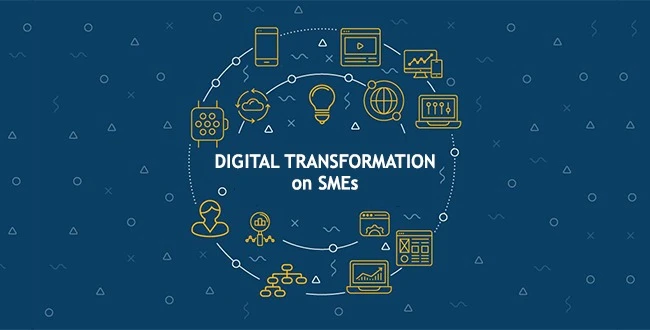
In today’s fast-paced business world, SME digital transformation is no longer optional—it’s essential. Small and medium-sized enterprises (SMEs) face increasing pressure to adopt digital tools, streamline operations, and enhance customer experiences. Those who embrace digital transformation gain a competitive advantage, reduce costs, and unlock growth opportunities.
LeanBPI specializes in helping SMEs navigate the digital landscape, offering guidance, training, and funding opportunities that accelerate digitalisation for small businesses.
What is SME Digital Transformation?
SME digital transformation is the integration of digital technology into all areas of a business, fundamentally changing how it operates and delivers value to customers. It is more than adopting software; it involves a cultural shift, process redesign, and strategic implementation of technology.
Why SMEs Need Digital Transformation
Recent studies show:
- 82% of SMEs that adopt digital tools report improved efficiency (Source: SME Digital Insights, 2024)
- Businesses that automate repetitive tasks can reduce operational costs by up to 30%
- Companies with strong digital capabilities are 2x more likely to scale rapidly in competitive markets
Digital transformation allows SMEs to:
- Improve operational efficiency
- Reduce errors and manual workload
- Enhance customer satisfaction and loyalty
- Access real-time analytics for informed decision-making
Real-World Success Stories
Case Study 1: Newgrange Gold
By moving from paper-based quality systems to an online portal, Newgrange Gold streamlined operations, reduced errors, and improved reporting efficiency.
Case Study 2: Dessert First
This wholesale bakery replaced Excel and paper-based tracking with digital tools, increasing production visibility and operational speed while reducing waste.
These examples demonstrate how SME digital transformation can deliver tangible business benefits.
Steps for SMEs to Start Their Digital Transformation
- Assess Current Technology Use
- Identify where manual processes slow down operations.
- Set Clear Goals
- Decide whether you aim to reduce costs, improve customer experience, or increase scalability.
- Adopt Relevant Tools
- CRM platforms for customer management
- Cloud storage for collaboration
- Automation tools for repetitive tasks
- Upskill Employees
- Train staff to use new digital systems effectively.
- Measure and Iterate
- Use KPIs to track success and continuously improve processes.
Funding and Support for SME Digital Transformation
LeanBPI partners with the Local Enterprise Office to provide SMEs with access to:
Support ProgramBenefitDigital for Business GrantFunding for digital tools and servicesGrow Digital VoucherTraining and mentorship in digital adoptionLeanBPI ConsultingGuidance on process optimization and digital strategy
These programs make digital transformation feasible for small businesses with limited budgets.
Future-Proofing Your SME
Digital adoption is an ongoing journey. SMEs that embrace continuous improvement, monitor emerging technologies, and adapt their strategies are more likely to stay competitive. Emerging trends include:
- AI-powered analytics for predictive decision-making
- Robotic process automation (RPA) to streamline repetitive workflows
- Cloud-based collaboration for remote and hybrid teams
Conclusion
SME digital transformation is the key to modern business success. By integrating digital tools, optimizing processes, and empowering employees, small businesses can enhance efficiency, boost growth, and stay ahead of competitors. LeanBPI offers practical guidance, funding, and expertise to make this transformation seamless and impactful.