Smarter Fleet Management Through GPS Tracking and Connected Devices
Managing commercial fleets requires accurate information, effective coordination, and consistent monitoring. As businesses expand, they must oversee vehicles, drivers, equipment, and operational expenses without compromising productivity. Connected fleet technology helps organizations centralize information, improve resource utilization, and make better decisions. With the right combination of tracking software and hardware, businesses can build more efficient and reliable operations.
Improving Fleet Visibility with a GPS Tracking System
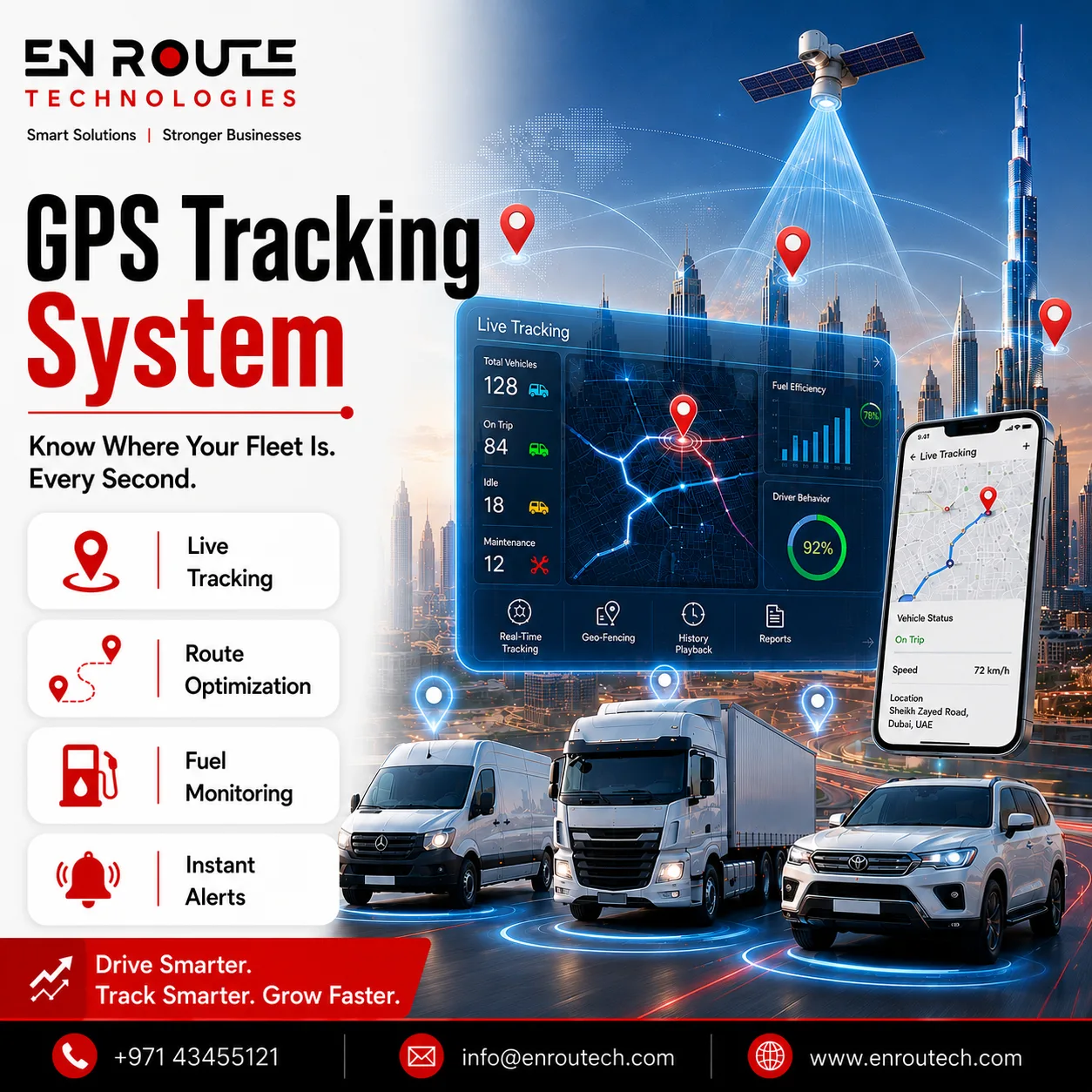
Real-time vehicle visibility helps businesses monitor daily operations and respond quickly to unexpected changes. A GPS Tracking System provides location updates, route histories, and vehicle movement information through a centralized platform.
Fleet managers can use these insights to coordinate journeys, review route deviations, and monitor vehicle activity. Additionally, geofencing and configurable alerts can help identify unusual movements and improve operational oversight.
For logistics companies, delivery services, and large transportation fleets, accurate tracking information supports better scheduling and resource allocation. Instead of relying entirely on phone calls and manual updates, managers can make decisions using available vehicle data.
Furthermore, historical tracking records help organizations identify recurring delays and evaluate route efficiency. This information can support continuous improvements in daily fleet operations.
Centralizing Operations with a Fleet Management System
Tracking vehicles is important, but effective fleet operations also involve maintenance, driver assignments, fuel expenses, inspections, and performance reporting. A Fleet Management System brings essential operational information together, helping managers coordinate these responsibilities more efficiently.
A centralized system can improve communication between departments and provide a clearer overview of vehicle availability and performance. For example, operations teams can coordinate vehicle assignments while maintenance teams plan servicing around operational schedules.
Moreover, fleet managers can evaluate vehicle utilization and identify resources that remain idle for extended periods. Consequently, businesses can improve allocation, reduce avoidable inefficiencies, and make better use of their existing fleets.
As operations grow, integrated fleet management also helps standardize processes across teams and locations. This consistency makes it easier to maintain oversight without relying on disconnected spreadsheets and manual records.
Strengthening Vehicle Control with a Vehicle Tracking System
Businesses need reliable information about where their vehicles travel and how they are used. A Vehicle Tracking System helps managers monitor vehicle movements, review trip histories, and identify activity that requires further investigation.
For instance, unexpected route deviations may indicate scheduling issues or unauthorized vehicle use. By reviewing available tracking information, managers can investigate the situation and take appropriate action.
In addition, vehicle tracking supports better coordination between dispatchers and drivers. Managers can use location information to understand vehicle availability and make adjustments when operational requirements change.
When tracking data is combined with maintenance and performance information, organizations gain a more comprehensive view of fleet activity. This supports more informed decisions about vehicle deployment, scheduling, and operational planning.
Managing Equipment with an Asset Management System
Commercial operations often depend on trailers, machinery, tools, generators, and other valuable equipment. Managing these resources through separate records can make it difficult to determine their location, availability, and utilization.
An Asset Management System helps businesses organize asset information and monitor resources across different locations. Depending on the platform and connected devices, organizations can review asset locations, usage records, maintenance requirements, and operational status.
This capability is especially useful for construction companies, logistics providers, industrial businesses, and organizations operating across multiple sites.
Furthermore, centralized asset information helps managers identify underused equipment and improve resource allocation. Rather than purchasing additional equipment immediately, businesses can first assess whether existing assets can be reassigned to meet operational needs.
By connecting asset records with fleet operations, organizations can improve visibility across both vehicles and supporting equipment.
Understanding the Role of Fleet Management Devices
Fleet software relies on accurate information collected from vehicles and connected equipment. Choosing suitable Fleet Management Devices can help businesses collect the data needed to monitor vehicle activity, improve security, and support operational efficiency.
Different devices serve different purposes. GPS trackers provide location information, while telematics devices may collect vehicle diagnostics, engine data, and driving behavior information. Depending on the hardware, additional sensors can monitor fuel levels, temperature, tire pressure, or other operating conditions.
Therefore, businesses should select devices according to their actual requirements. A delivery fleet may prioritize accurate location tracking, whereas heavy-equipment operators may need engine-hour monitoring and equipment utilization data.
Compatibility is another important consideration. Before purchasing new hardware, organizations should determine whether existing devices can integrate with their fleet management platform. Suitable integrations may help businesses avoid unnecessary replacement costs while extending the value of their current investments.
Combining Hardware and Software for Better Results
Fleet devices become more useful when their data is connected to a platform that organizes and presents information clearly. Hardware collects operational data, while software helps managers interpret it and use it in everyday decisions.
For example, GPS hardware can provide vehicle location updates, while fleet software displays routes and trip histories. Telematics devices may supply diagnostic information that helps maintenance teams investigate vehicle issues.
Similarly, connected sensors can provide information about equipment condition or fuel levels when supported by the installed hardware and platform.
This combination helps businesses move beyond basic vehicle tracking. Managers can gain broader operational visibility, identify patterns, and coordinate actions across departments.
However, successful integration requires appropriate device selection, reliable connectivity, and clear data management procedures. Businesses should test their systems and ensure that the information collected supports practical operational objectives.
Improving Driver Safety and Vehicle Security
Driver safety and vehicle security are important responsibilities for every fleet operator. Connected tracking and telematics technologies can help businesses monitor vehicle activity and identify situations that require attention.
Depending on the installed equipment, organizations may be able to review speeding events, harsh braking, unusual movements, and other driving indicators. Managers can use these insights to guide drivers, review incidents, and develop targeted safety initiatives.
In addition, geofencing and movement alerts can help organizations monitor vehicles around designated locations. Historical records may support internal investigations and provide greater accountability for vehicle use.
Nevertheless, technology should complement clear policies, driver training, and responsible monitoring practices. Businesses should also ensure that the collection and use of driver information comply with applicable legal and privacy requirements.
Reducing Operating Costs Through Fleet Data
Fleet expenses extend beyond fuel. Maintenance, vehicle downtime, inefficient routing, underused equipment, and administrative work can all affect profitability.
Connected fleet systems help managers review operational information and identify potential sources of unnecessary expenditure. For example, route histories may reveal recurring detours, while utilization reports can highlight vehicles or equipment that are not being used effectively.
Likewise, diagnostic information from compatible telematics devices can help maintenance teams investigate potential problems. Timely inspections and planned servicing may reduce avoidable disruptions and support vehicle availability.
By reviewing these insights regularly, businesses can prioritize improvements based on operational evidence rather than assumptions. Over time, this approach supports more disciplined cost management.
Supporting Growth with Scalable Fleet Technology
As organizations expand, their requirements often change. Additional vehicles, new operating locations, larger teams, and more complex reporting needs can place pressure on existing systems.
A scalable fleet technology strategy helps businesses accommodate these changes while maintaining centralized visibility. Organizations should consider whether their software can support additional vehicles, users, devices, and integrations as operations develop.
It is equally important to establish clear procedures for device installation, data quality, staff training, and ongoing system maintenance. These measures help teams use the technology consistently and reduce implementation challenges.
Regular performance reviews can also reveal whether the chosen solution is meeting business objectives. By monitoring vehicle utilization, operational costs, maintenance trends, and reporting accuracy, organizations can refine their approach as requirements evolve.
Conclusion
Efficient fleet operations depend on accurate tracking, coordinated management, and reliable information from connected devices. GPS tracking provides vehicle visibility, fleet management software organizes operational activities, and asset management helps businesses oversee valuable equipment.
By selecting suitable fleet management devices and integrating them with appropriate software, organizations can improve security, strengthen resource utilization, and make better-informed decisions. A connected approach provides a practical foundation for more efficient, scalable, and accountable fleet operations.