
Running a business is about balance: providing quality, staying competitive, and managing costs. One area where companies often overlook significant savings potential is energy. While energy costs are typically treated as fixed overhead, they don’t have to be. With the right strategies in place, energy consumption can become a controllable factor and even lead to higher profit margins.
That’s where Energy Savings Solutions can help. These strategies aren’t just about cutting down utility bills; they’re also about building smarter operations, reducing waste, and improving long-term profitability.
The Hidden Cost of Wasted Energy
Energy costs can account for up to 20% of a business's operating budget, depending on the industry. According to the U.S. Department of Energy, commercial buildings waste about 30% of the energy they consume. That’s a staggering figure when you consider the potential dollars being lost every month across offices, warehouses, retail stores, and manufacturing facilities.
The problem often stems from inefficient equipment, outdated lighting systems, poorly maintained HVAC units, or simply lack of oversight in day-to-day energy usage. Left unchecked, these inefficiencies quietly eat into profit margins.
1- Start with an Energy Audit
The first step in identifying savings opportunities is an energy audit. This isn’t just a checklist; it’s a data-driven analysis that highlights where your energy is going and where it's being wasted. Audits can uncover hidden inefficiencies like air leaks, poor insulation, or overuse of outdated systems.
Many utility companies offer audits for free or at a subsidized cost. For businesses, this is a low-risk, high-reward starting point that sets the foundation for larger changes.
2- LED Lighting Pays for Itself
Switching to LED lighting is one of the most effective and accessible energy savings solutions. LEDs use up to 75% less energy than incandescent bulbs and last up to 25 times longer. For a retail chain or large warehouse, that can translate to tens of thousands of dollars in annual savings.
Beyond the cost benefits, better lighting improves employee productivity and adds to the customer experience; both of which contribute to stronger business performance.
3- Smarter HVAC Strategies
Heating and cooling systems often make up the bulk of a commercial building’s energy use. Poorly maintained HVAC units, outdated thermostats, or inefficient ductwork can cause significant energy drain.
Upgrading to programmable or smart thermostats allows businesses to control temperatures more precisely, especially during off-hours. Regular maintenance like cleaning coils and replacing filters also helps systems run more efficiently. According to the Environmental Protection Agency, regular HVAC maintenance can reduce energy consumption by 15% or more.
4- Invest in Energy Management Systems
One of the more advanced Energy Savings Solutions involves installing an energy management system (EMS). These systems track energy usage in real time and allow for automated control of lighting, heating, cooling, and other systems.
EMS technology helps businesses detect patterns, identify spikes in consumption, and adjust usage accordingly. A mid-sized commercial building using EMS can typically reduce energy use by 10–30% depending on the setup.
More than just cutting energy costs, these systems offer data that can guide broader operational decisions. Knowing when and where energy is being used gives business leaders more control over their environment and their budgets.
5- Equipment Upgrades That Pay Off
Energy-efficient equipment may have a higher upfront cost, but it tends to deliver long-term savings that justify the investment. ENERGY STAR-certified appliances, for example, consume significantly less electricity than standard models.
For manufacturers or commercial kitchens, upgrading to high-efficiency motors, compressors, or refrigeration systems can shave thousands off monthly utility bills. According to ENERGY STAR, small businesses that invest in energy-efficient equipment can reduce energy expenses by up to 30%.
6- Motion Sensors and Automation
In facilities where lights or systems are unnecessarily left on such as restrooms, storage areas, or conference rooms, motion sensors can drastically reduce waste. Automated lighting and shut-off systems add another layer of control without requiring daily oversight.
For example, occupancy sensors in a large office building can cut lighting-related energy use by as much as 45%, according to the Lawrence Berkeley National Laboratory.
7- Encourage Smarter Habits Company-Wide
Technology plays a big role in energy savings, but people do too. Encouraging staff to be more conscious of how they use energy; turning off unused equipment, powering down at night, using natural light when possible, adds up.
Some companies run internal energy-awareness campaigns or introduce energy-saving competitions between departments. These initiatives foster a culture of responsibility and can reveal unexpected sources of waste.
8- Solar and On-Site Energy Generation
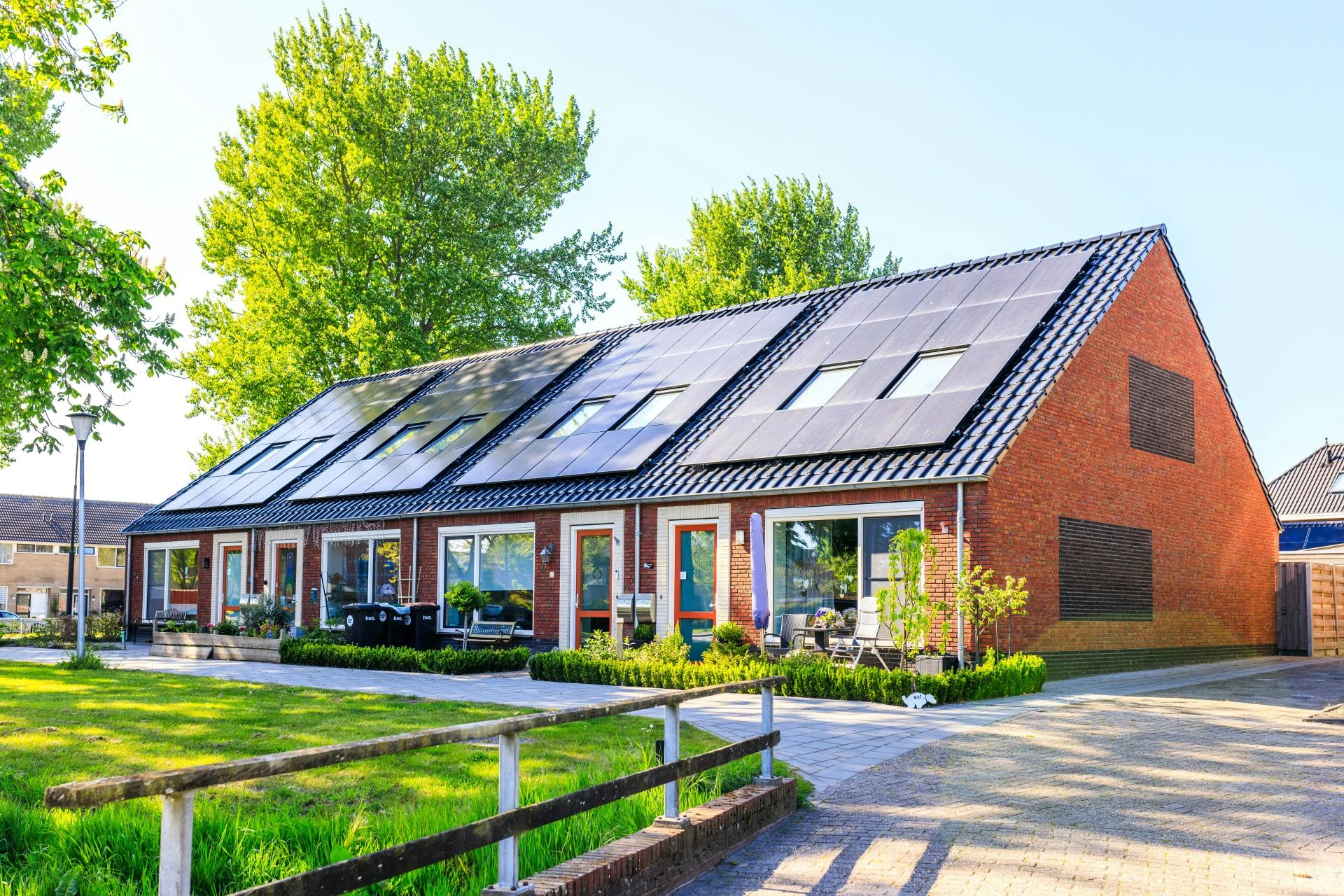
While not suitable for every business, investing in renewable energy like rooftop solar can offer significant long-term benefits. Commercial solar installations have significantly dropped in price by over the past decade, making them more accessible to businesses of all sizes.
In many regions, tax credits and government incentives lower the barrier to entry even further. Businesses that generate their own electricity are less exposed to fluctuating energy prices and may even earn credits for surplus energy sent back to the grid.
9- Tracking and Measuring Results
Implementing energy savings solutions is only part of the equation. The other part is tracking the impact. Businesses that actively monitor their energy data are better equipped to make adjustments, justify future investments, and report on their sustainability efforts.
Many companies now include energy performance in their regular KPI reviews, especially those with ESG goals or sustainability commitments.
The Business Case Is Strong
The return on investment for energy improvements is well-documented. A report by the International Energy Agency found that every dollar invested in energy efficiency delivers up to $2 in return through reduced energy bills, increased productivity, and improved asset value.
For businesses looking to boost profits without cutting corners or downsizing teams, energy savings solutions present a smart and scalable path. The savings are real, the tools are available, and the opportunities are growing every year.
Final Thought
Energy savings solutions aren’t just about the environment; they’re about running a more efficient and profitable business. Whether you're upgrading lighting, installing smarter systems, or simply rethinking daily habits, the benefits go straight to the bottom line. For businesses of all sizes, now is the right time to look closely at how energy is used and where money is being left on the table.