Across agriculture, telecom, power distribution, water management, and urban development, one common requirement silently supports progress — efficient underground infrastructure. From irrigation pipelines to fibre optic networks and gas lines, much of today’s development happens below the surface. The quality, speed, and precision of this underground work directly influence project timelines, costs, and long-term reliability.
Traditionally, underground excavation relied heavily on manual labour or oversized machinery. Manual digging is slow, labour-intensive, and inconsistent. On the other hand, deploying large excavation equipment for narrow utility lines often leads to unnecessary fuel consumption, soil disturbance, and higher operational expenses. As infrastructure demands increase, industries are shifting towards smarter, purpose-built solutions that balance efficiency with precision.
The Shift Towards Precision Excavation
Modern projects require clean, uniform, and accurately measured cuts in the ground. Whether laying drip irrigation systems in farmland or deploying fibre optic cables across highways, precision matters. A uniform cut ensures faster installation of pipelines and cables, reduces backfilling errors, and minimises surface restoration costs.
Compact and application-focused equipment has transformed how these tasks are executed. Instead of digging wide and refilling excess soil, specialised systems allow controlled depth and width adjustments. This reduces project waste, improves safety, and ensures faster project completion.
Precision excavation also reduces collateral damage. Urban environments, in particular, present challenges such as existing underground utilities, limited working space, and strict regulatory requirements. Targeted digging solutions allow contractors to work efficiently without disturbing nearby infrastructure.
Supporting India’s Infrastructure Growth
India’s rapid expansion in telecom connectivity, renewable energy, and rural irrigation has created a strong demand for efficient underground installation methods. Programmes aimed at expanding broadband connectivity and smart city initiatives require thousands of kilometres of cable laying. Similarly, agricultural modernisation depends on efficient irrigation pipeline installation to conserve water and increase yield.
In such a landscape, selecting the right technology becomes a strategic decision rather than a purely operational one. Companies increasingly evaluate performance metrics such as fuel efficiency, digging speed, soil adaptability, maintenance requirements, and compatibility with existing tractors or power units.
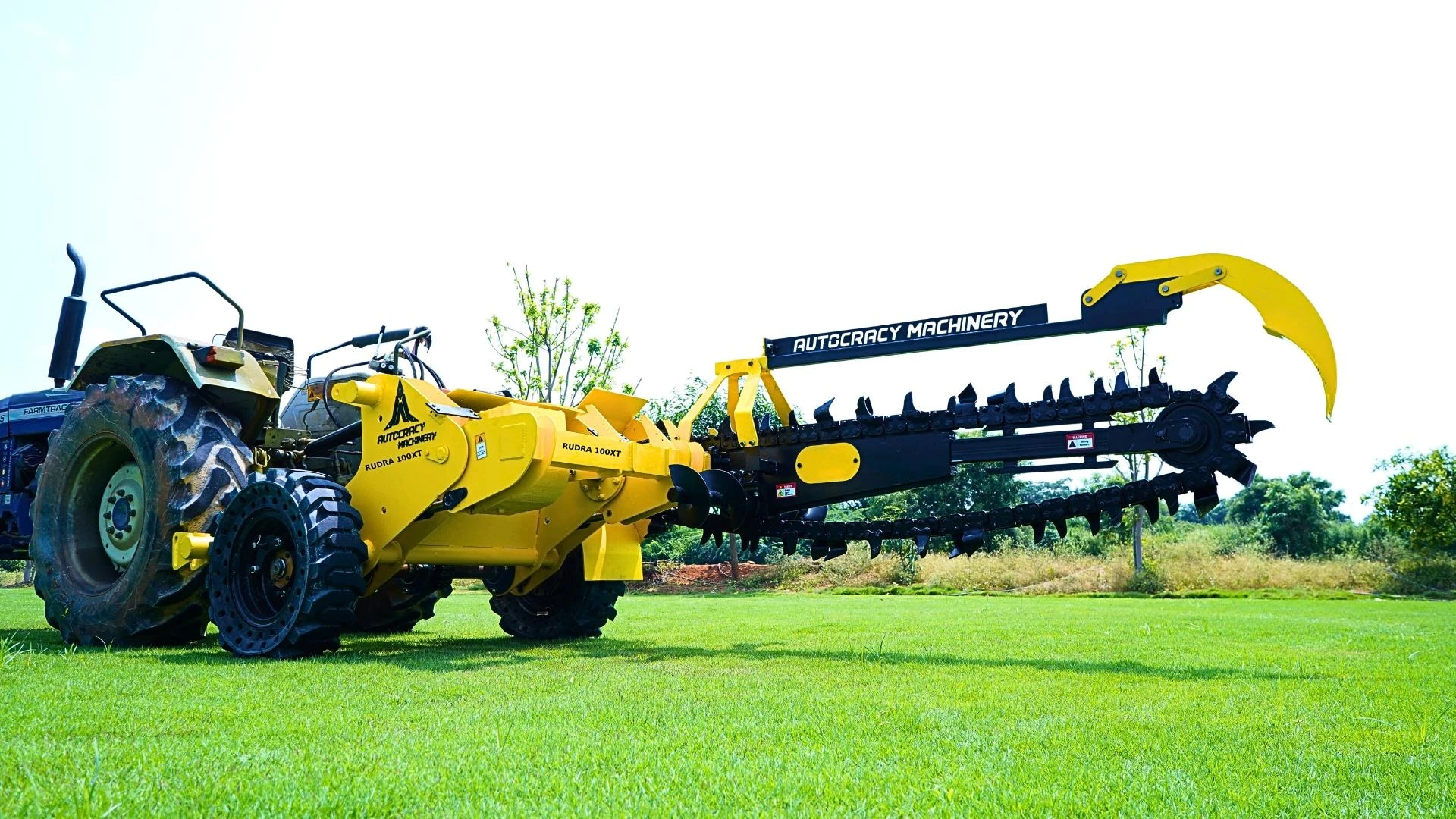
It is here that the role of specialised equipment producers becomes critical. Experienced trencher manufacturers focus on designing solutions that are adaptable to different soil conditions, tractor power ranges, and project scales. Their engineering approach determines not just machine output but also long-term reliability and cost efficiency for contractors and developers.
Cost Efficiency Through Smarter Engineering
One of the biggest concerns in underground projects is cost control. Labour shortages, fuel price volatility, and tight project deadlines can significantly impact profitability. Purpose-built excavation systems help address these challenges in multiple ways:
- Reduced Labour Dependency: Mechanised solutions minimise reliance on large labour crews, making project timelines more predictable.
- Lower Fuel Consumption: Compact systems consume significantly less fuel compared to heavy earthmoving equipment.
- Faster Daily Output: Higher productivity per day reduces overall project duration.
- Minimal Surface Damage: Reduced restoration work lowers additional costs after pipeline or cable installation.
These advantages create measurable savings for contractors while improving overall operational control.
Adaptability Across Industries
The demand for underground utility installation spans multiple sectors. In agriculture, irrigation lines must be laid with consistent depth to ensure proper water distribution. In telecom, cable networks require narrow yet deep channels for protection and durability. In oil and gas distribution, safety standards demand precision and uniformity.
Versatile equipment that allows adjustable depth and width ensures adaptability across applications. Moreover, compatibility with commonly available tractors enhances accessibility for small and medium contractors. This flexibility expands market reach and ensures that even rural or semi-urban projects can adopt mechanised methods.
Environmental Responsibility and Sustainability
Sustainability is becoming central to infrastructure development. Excessive soil disturbance leads to erosion, crop damage, and ecological imbalance. Smart excavation solutions limit the width of ground disturbance and maintain structural integrity of surrounding soil.
In agricultural settings, this ensures faster recovery of farmland after pipeline installation. In urban zones, it minimises traffic disruption and reduces dust pollution. Efficient fuel usage further contributes to lower carbon emissions, aligning projects with environmental standards and corporate sustainability goals.
The Importance of Engineering Excellence
While operational efficiency is crucial, durability and serviceability are equally important. Underground work often occurs in challenging soil conditions — from soft farmland to rocky terrain. Engineering precision ensures consistent performance without frequent breakdowns.
High-quality steel components, optimised chain systems, and effective power transmission mechanisms significantly enhance lifespan. Additionally, easy maintenance access reduces downtime and improves overall asset utilisation.
Contractors increasingly look for machines that combine rugged design with ease of operation. Simplified controls, adjustable settings, and compatibility with hydraulic or PTO-driven systems provide flexibility and user convenience.
Empowering Contractors and Farmers
Beyond large infrastructure firms, small contractors and farmers also benefit from specialised underground excavation systems. For farmers, the ability to independently install irrigation lines means reduced dependency on external labour and better timing of crop cycles. For contractors, owning efficient machinery enhances competitiveness in tender-based projects.
Mechanisation democratises access to advanced infrastructure development methods. It bridges the gap between large-scale industrial capability and local-level execution capacity.
Looking Ahead
As India continues to invest in connectivity, irrigation, and sustainable development, underground infrastructure will remain a foundational element of growth. The focus will increasingly shift towards precision, cost optimisation, and environmental responsibility.
Companies that prioritise engineering excellence, adaptability, and operational efficiency will define the next phase of progress. By embracing smarter excavation technologies, industries can build faster, reduce costs, and support long-term sustainability.
Infrastructure may lie beneath the surface, but its impact shapes everything above it — from thriving farms and connected villages to modern cities and industrial corridors. The future of development depends not just on building more, but on building smarter.