
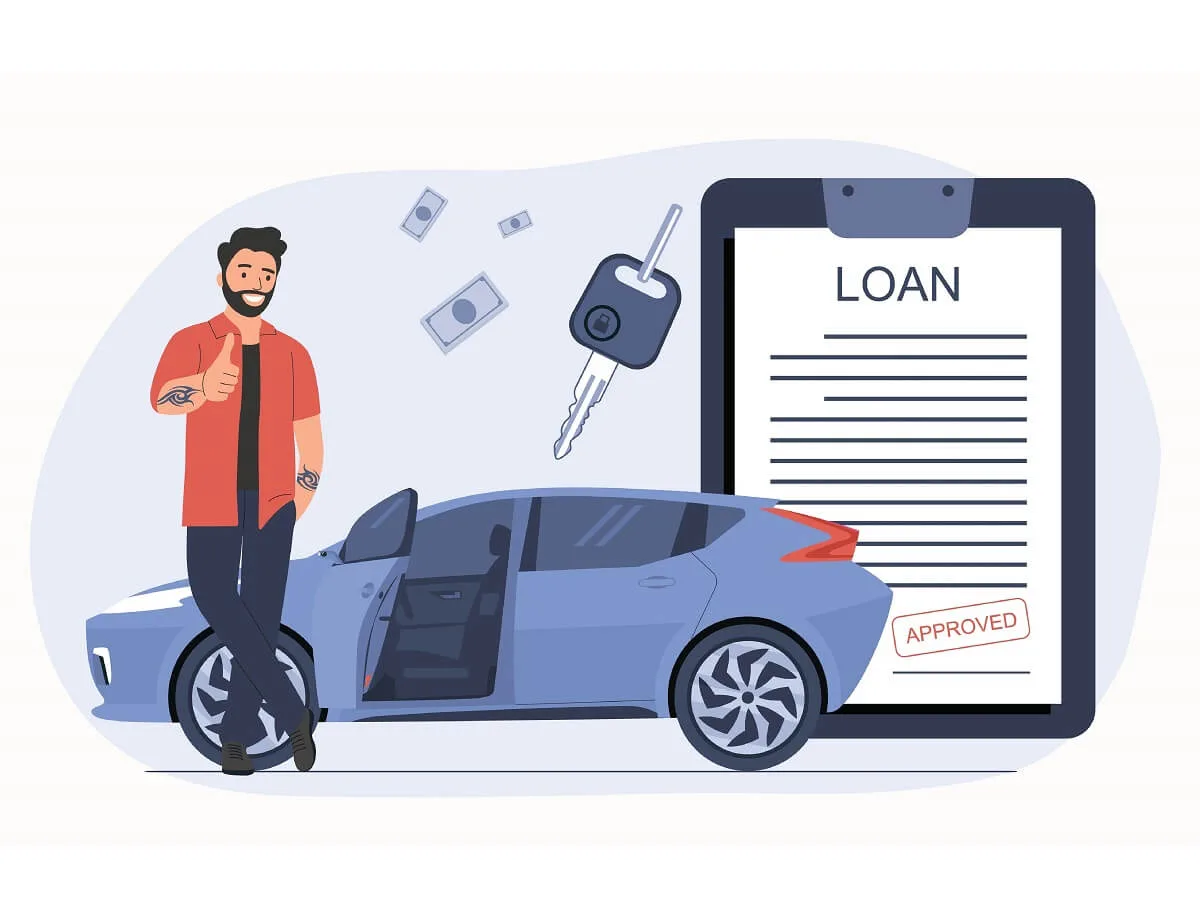
There was a time when owning a car felt like something people waited years for. First job, then savings, then maybe after turning thirty, a car. That order has changed fast. Young professionals today are not waiting too long anymore. They want mobility early, and honestly, their work-life routine almost demands it.
A recent report from the Indian automobile sector showed that a large percentage of first-time vehicle buyers now fall in the younger working population bracket. That shift says a lot. People are earning earlier, living independently earlier, and making financial decisions with a different mindset than previous generations.
And car loans sit right in the middle of this change.
Convenience Matters More Than Ever
Daily travel drains energy. Anybody spending two hours switching between cabs, autos, and crowded public transport already knows this feeling. A personal car changes that experience completely.
Young employees working in IT parks, corporate offices, sales roles, healthcare, media, or field operations often move across locations during the day. Flexibility matters to them. Time matters even more.
That’s where vehicle financing enters quietly.
Instead of waiting five or six years to save the full amount, many professionals prefer monthly payments that fit inside their salary structure. It feels manageable. More practical too.
And honestly, many people don’t see a reason to block their entire savings into one purchase anymore.
Monthly EMIs Feel Easier to Handle
A lot of salaried individuals now plan their finances around EMIs. Phone. Laptop. Rent. Insurance. Streaming subscriptions even. So adding a car loan installment doesn’t feel unusual.
The difference is emotional too.
Paying a smaller amount every month often feels less stressful than watching a huge chunk disappear from savings at once. Especially for people in their twenties who still want liquidity for travel, emergencies, investments, or family needs.
Banks and financial institutions also offer repayment periods that stretch across several years. This reduces immediate pressure.
Some borrowers even increase their down payment later through part-prepayment options when their income improves. Young earners like this flexibility because their salary growth rarely stays fixed for long.
Career Growth Has Changed Spending Habits
The older generation focused heavily on ownership before spending. Younger professionals think differently. They focus more on access, efficiency, and balance.
A car is no longer seen only as a luxury item. For many, it directly connects to work productivity and lifestyle stability.
Someone attending late office shifts or client meetings across the city doesn’t want uncertainty every evening while booking rides. And people relocating to new cities for jobs often prefer having their own transport within the first few years of employment.
That mindset explains why vehicle financing applications from first-time salaried borrowers have increased steadily in urban areas.
Interesting thing is, many buyers now choose models with better safety features and technology instead of simply going for the cheapest option available. They’re thinking long term.
Credit Score Awareness Is Much Higher
This part didn’t exist much ten years ago.
Now young professionals talk openly about credit scores, repayment records, and financial profiles. Some even monitor their scores monthly through mobile apps.
Taking a car loan and repaying it responsibly helps build a stronger credit history. That becomes useful later while applying for housing finance, premium credit cards, or business funding.
People understand this now.
A properly managed loan creates financial discipline too. Missing unnecessary spending becomes easier when someone has structured obligations every month. Strange maybe, but many working professionals say EMIs actually made them better at budgeting.
Digital Loan Approvals Made Things Faster
The process changed massively.
Earlier, people visited branches multiple times, handled long paperwork, waited weeks for approvals, and dealt with confusing procedures. Young borrowers hated that system.
Now most loan applications begin online itself.
Basic eligibility checks, EMI calculators, digital document uploads, and approval updates happen quickly. Some applicants receive approvals within very short timelines depending on their profile and income records.
This convenience matters more than many people realize.
Young professionals don’t want endless procedures after office hours. If financing becomes simple, they move ahead faster with buying decisions.
And because information is easier to compare online now, borrowers spend more time checking interest rates, repayment flexibility, and processing terms before choosing a lender.
Owning a Car Feels Different After Pandemic Years
The pandemic quietly changed transportation preferences.
People who earlier depended completely on shared mobility suddenly started valuing personal space during travel. Hygiene concerns, unpredictable availability, and safety became part of decision-making.
That shift stayed.
Even today, many working professionals prefer personal vehicles because it gives them control over movement and schedule. Weekend travel increased too. Short road trips became common after long work-from-home periods.
So the emotional value of car ownership grew stronger.
Not everything is only about numbers and finance sheets. Comfort matters. Independence matters too.
Used Cars Are Also Driving Loan Demand
One interesting trend people ignore is the rise in pre-owned car financing.
Young professionals entering the workforce often choose certified used vehicles instead of brand-new models. It reduces upfront expense while still giving them mobility and ownership benefits.
And lenders now actively finance these purchases as well.
This has opened opportunities for buyers who earlier felt car ownership sat outside their budget range.
For someone earning their first stable salary, a well-maintained used car financed through affordable installments feels realistic. Not overwhelming.
Women Professionals Are Driving New Demand
Another visible shift.
More women professionals are independently applying for vehicle loans today than before. Safer travel, work flexibility, late-hour commuting, and personal independence play a major role here.
Banks and financial companies have noticed this segment growing steadily over recent years.
And honestly, this change reflects something bigger happening in urban India. Financial decision-making is becoming more individual now. Less dependent on family approval structures compared to older generations.
The Emotional Side Nobody Talks About
Buying the first car creates a strange kind of confidence.
It’s not only transport. It becomes proof of progress for many young earners. First salary memories, office promotions, late-night work struggles, career growth, personal ambition... all of it somehow connects emotionally to that purchase.
People remember their first car for years. Sometimes forever.
And financing helps them reach that milestone earlier instead of postponing it endlessly while inflation keeps pushing prices upward.
That’s probably why young professionals are not seeing car loans as financial burden alone anymore. They see it as a bridge between where they are now and the lifestyle they’re trying to build for themselves.
Life moves quickly these days. Most people don’t want to keep waiting at the side of the road for it to catch up.