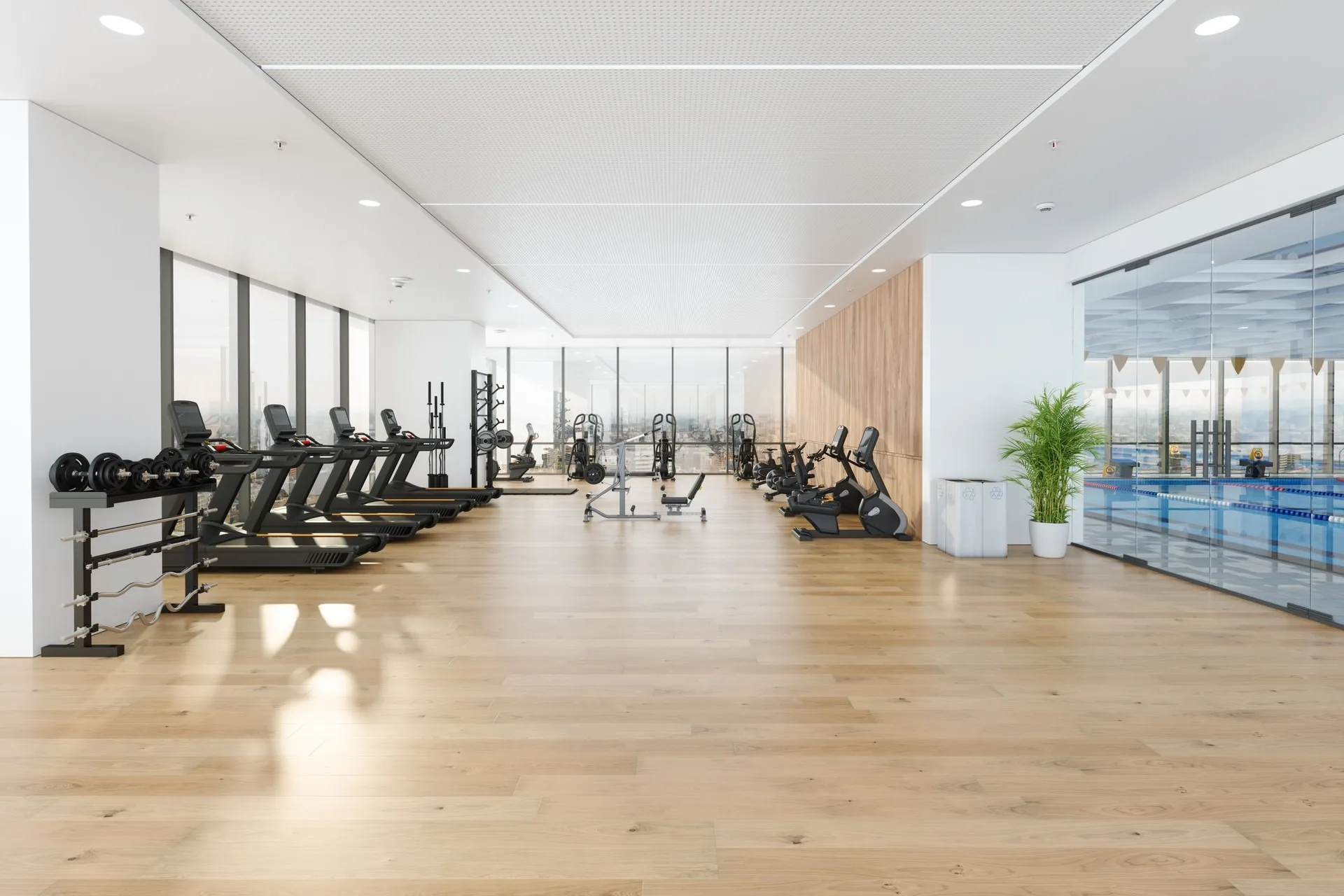
A gym should feel motivating from the moment someone walks through the door. The layout, lighting, equipment placement, and overall atmosphere all influence how people experience their workouts. A poorly planned fitness space can feel crowded and confusing, while a thoughtfully designed gym encourages movement, comfort, and consistency.
This is why modern fitness businesses are investing more attention into effective gym floor design and working with a professional commercial gym designer. Smart planning helps create environments that are functional, visually appealing, and capable of supporting different workout styles.
Whether the goal is to open a new fitness center or upgrade an existing facility, proper design can improve member satisfaction, increase safety, and maximize the use of available space. A well-designed gym is not only easier to manage—it also becomes a place where people genuinely enjoy exercising.
Why Gym Design Matters
Design Shapes User Experience
The physical environment affects how people feel while working out. Open layouts and organized equipment help create a smoother and more enjoyable experience.
Better Layouts Improve Efficiency
When workout areas are arranged properly, members can move naturally throughout the gym without unnecessary congestion.
Safety Starts With Smart Planning
Correct spacing between equipment and clear walking paths reduce the risk of accidents.
Understanding Gym Floor Design
More Than Equipment Placement
Gym floor design involves organizing the entire fitness space in a way that supports functionality, movement, and comfort.
Creating Workout Zones
Most gyms benefit from separate training areas, such as:
- Cardio section
- Strength training zone
- Free weights area
- Functional training space
- Stretching and recovery zone
Dividing the gym into zones improves organization and helps members navigate the facility more easily.
Improving Traffic Flow
A good floor plan guides movement naturally, reducing crowding during busy hours.
The Role of a Commercial Gym Designer
Turning Ideas Into Functional Spaces
A commercial gym designer helps create layouts that balance practicality, comfort, and visual appeal.
Understanding User Behavior
Professional designers study how people move and interact within fitness spaces to improve usability.
Supporting Business Goals
A well-designed gym can strengthen brand image, improve member retention, and increase operational efficiency.
Planning for Long-Term Use
Commercial designers create flexible spaces that can adapt to changing fitness trends and future equipment updates.
Key Elements of Effective Gym Design
Proper Equipment Spacing
Machines and workout stations should have enough room around them for safe and comfortable use.
Lighting and Atmosphere
Balanced lighting creates an energetic and welcoming environment while improving visibility.
Ventilation and Air Quality
Fresh airflow keeps the gym comfortable and supports a better workout experience.
Flooring Materials
Durable flooring protects equipment, reduces noise, and improves safety for users.
Organized Storage
Storage areas help keep equipment accessible while preventing clutter.
Common Mistakes in Gym Planning
Overcrowding Equipment
Trying to fit too much equipment into one area can make the gym feel stressful and unsafe.
Ignoring User Flow
Poor traffic flow creates bottlenecks and confusion during busy periods.
Focusing Only on Appearance
A gym should look attractive, but functionality must remain the priority.
Limited Flexibility
Gyms should be designed to adapt to future changes in equipment and workout trends.
Benefits of Professional Gym Design
Better Use of Space
Professional planning ensures every part of the facility serves a purpose.
Improved Member Experience
Comfortable and organized spaces encourage people to stay longer and return regularly.
Increased Operational Efficiency
Staff can manage the facility more effectively when layouts support visibility and movement.
Stronger Visual Identity
Professional design helps create a polished and memorable fitness environment.
Modern Trends in Commercial Gym Design
Open and Spacious Layouts
Members increasingly prefer gyms that feel airy and uncluttered.
Multi-Functional Training Areas
Flexible spaces allow gyms to support different workout styles without requiring separate rooms.
Wellness-Focused Features
Recovery spaces and calming design elements are becoming more common.
Technology Integration
Connected fitness equipment and digital systems continue to shape modern fitness environments.
Tips for Designing a Better Gym Space
Understand Member Needs
The layout should reflect the workout habits and preferences of the target audience.
Prioritize Comfort
Lighting, airflow, temperature, and spacing all influence user satisfaction.
Use Durable Materials
Fitness environments experience heavy use, so long-lasting materials are essential.
Keep the Design Adaptable
Flexible layouts make it easier to update the gym over time.
Why Good Design Improves Business Success
Better Retention Rates
People are more likely to continue using gyms that feel comfortable and motivating.
Positive Word of Mouth
An attractive and functional gym creates stronger impressions and encourages recommendations.
Efficient Space Management
Good design allows gyms to serve more members without feeling overcrowded.
Stronger Brand Reputation
Professional environments build trust and credibility within the fitness industry.
The Future of Fitness Space Design
Modern gyms are evolving into wellness-focused environments that support both physical and mental well-being. Fitness spaces are becoming smarter, more flexible, and more personalized to user needs.
As expectations continue to grow, gym design will remain a major factor in creating successful and engaging fitness experiences.
Conclusion
Effective gym floor design and the expertise of a professional commercial gym designer can completely transform how a fitness space looks and functions. Thoughtful planning improves movement flow, increases comfort, enhances safety, and creates an atmosphere that keeps members motivated.
A great gym is not only about equipment—it is about creating an environment where people feel inspired to train, improve, and return consistently. Investing in smart design is one of the most valuable decisions any fitness business can make.
Frequently Asked Questions (FAQ)
1. What is gym floor design?
It involves planning the layout and organization of a fitness space to improve functionality and user experience.
2. Why should gyms hire a commercial gym designer?
Professional designers help maximize space efficiency, improve safety, and create visually appealing environments.
3. What is the most important part of gym planning?
Balancing functionality, safety, comfort, and traffic flow is essential.
4. Can smaller gyms still have effective layouts?
Yes, smart planning can make even compact spaces feel open and functional.
5. How often should gyms update their designs?
Gym layouts should be reviewed regularly to accommodate new trends, equipment, and member preferences.