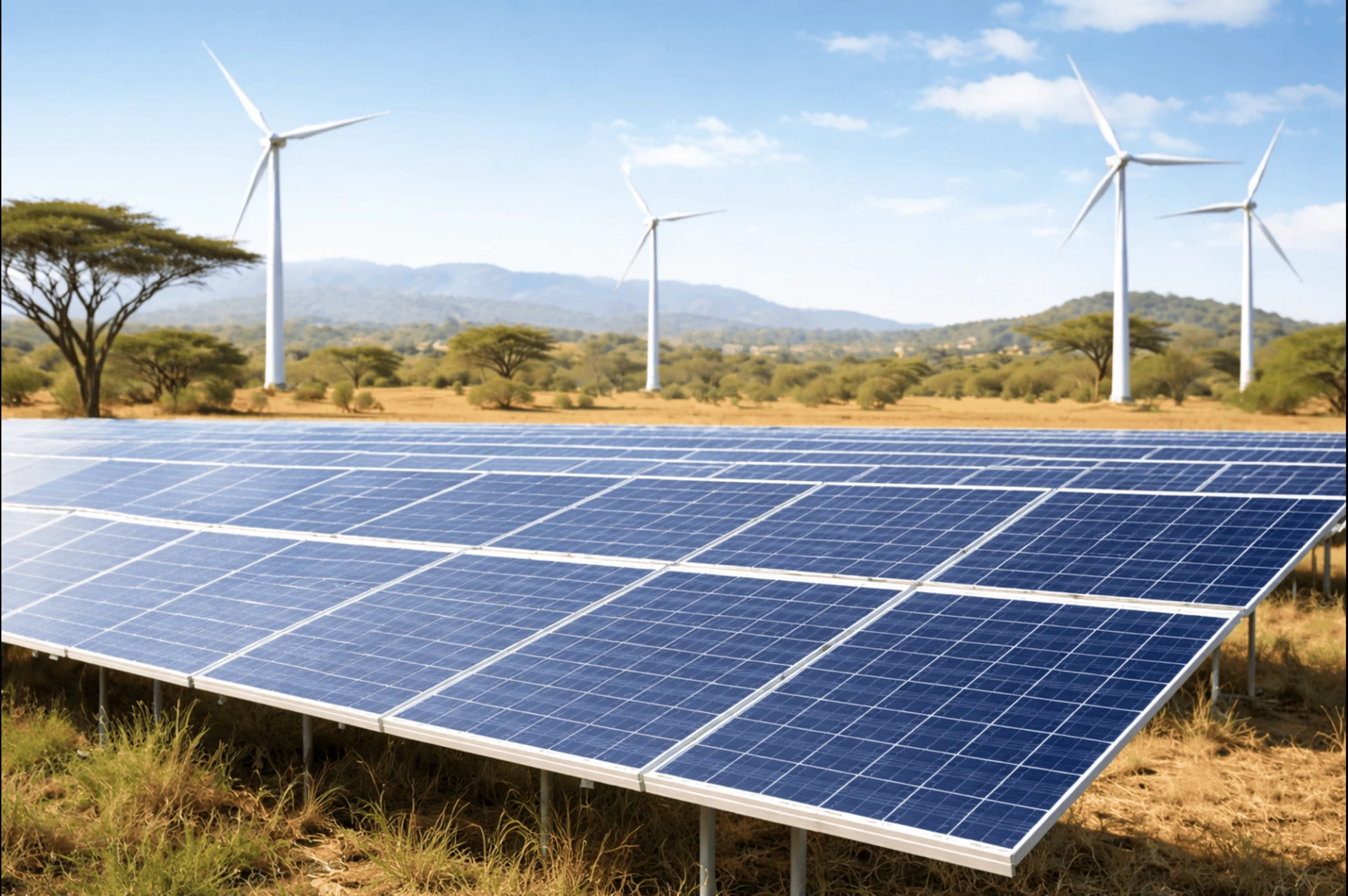
The global energy transition is no longer just about producing clean electricity-it’s about delivering it efficiently, reliably, and intelligently. As renewable energy capacity grows across solar parks, wind corridors, and hybrid plants, the traditional power grid is being pushed to evolve. At the center of this transformation lies the Smart Grid System, a digital and automated framework designed to manage modern electricity demands.
Renewable energy is dynamic. Solar output fluctuates with sunlight. Wind generation depends on speed and seasonal patterns. Unlike conventional power plants, these sources cannot be turned on and off at will. That’s why integrating renewable energy into national networks requires more than infrastructure-it requires intelligence. A Smart Grid System provides that intelligence, reshaping how Power transmission & distribution networks function in the age of clean energy.
Let’s explore how smart grids are redefining renewable integration and why they are essential for the future of sustainable power systems.
Understanding the Smart Grid System
A Smart Grid System is an advanced electricity network that uses digital communication, automation, and data analytics to monitor and manage electricity flow in real time. Unlike traditional grids that operate on one-way power flow-from generation to consumers-smart grids enable two-way communication between utilities and users.
This system integrates sensors, automated controls, smart meters, and real-time monitoring platforms to:
- Detect faults instantly
- Balance supply and demand
- Reduce power losses
- Improve grid reliability
- Support decentralized generation
In short, a Smart Grid System transforms the power grid from a passive network into an active, responsive ecosystem.
Why Renewable Energy Needs Smart Grids
The rapid expansion of renewable energy projects has introduced new complexities into grid management. Solar and wind energy are variable and geographically dispersed. Managing their integration requires flexibility and constant monitoring.
Here’s where smart grids play a critical role:
1. Managing Intermittency
Renewable energy generation is unpredictable. Cloud cover can reduce solar output, while calm weather may slow wind turbines. A Smart Grid System continuously analyzes generation data and adjusts load distribution to maintain stability.
By coordinating with energy storage systems and backup power sources, smart grids prevent sudden disruptions in supply.
2. Enabling Decentralized Generation
Modern renewable energy projects are not limited to large utility-scale plants. Rooftop solar systems, microgrids, and community wind farms contribute power directly into local distribution networks.
Traditional grids struggle with this decentralized input. A Smart Grid System, however, manages multiple energy entry points efficiently, ensuring smooth Power transmission & distribution operations.
3. Real-Time Data and Predictive Insights
Smart grids collect vast amounts of operational data. This information allows utilities to forecast demand patterns, anticipate generation variability, and plan maintenance proactively.
Predictive analytics improve the performance of renewable energy projects by minimizing downtime and maximizing energy yield.
The Evolution of Power Transmission & Distribution
Conventional transmission and distribution systems were designed for centralized power plants. Electricity flowed in one direction-generation to substations to consumers.
With renewable energy integration, the model has shifted. Today’s network must:
- Handle bidirectional power flow
- Integrate energy storage
- Manage peak demand variations
- Support electric vehicle charging infrastructure
A Smart Grid System enhances Power transmission & distribution by embedding automation and intelligence across substations, feeders, and distribution transformers.
Smart substations equipped with digital monitoring systems can isolate faults automatically, reducing outage times and improving reliability.
Enhancing Grid Stability in Renewable Energy Projects
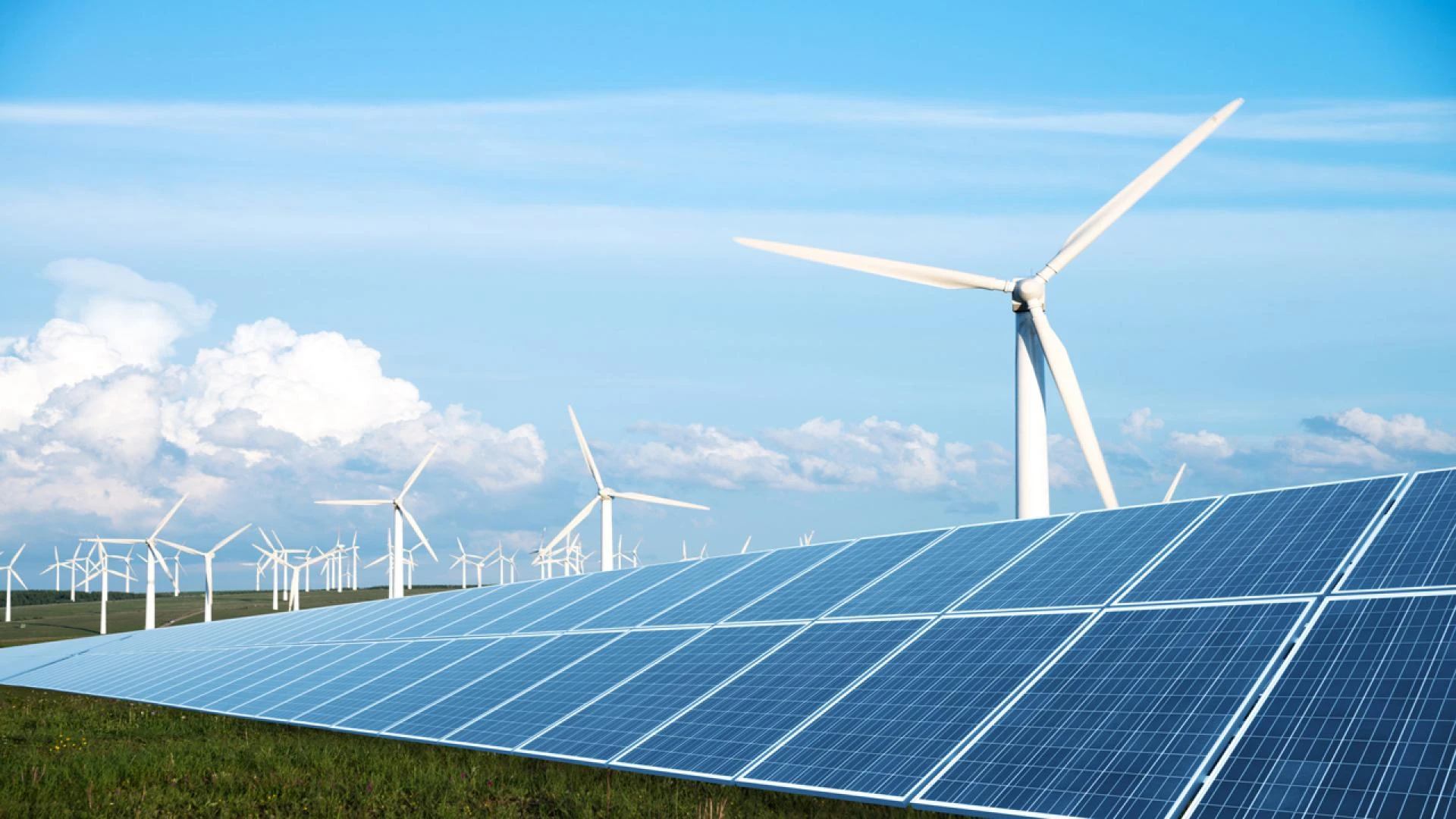
Large-scale renewable energy projects contribute significant capacity to national grids. However, sudden fluctuations can impact voltage and frequency stability.
Smart grids address this by:
- Deploying automated voltage regulation
- Using advanced load balancing systems
- Integrating battery storage solutions
- Coordinating distributed generation sources
These capabilities ensure that renewable energy contributes positively to overall grid performance rather than introducing instability.
Consumer Empowerment Through Smart Grids
One often-overlooked aspect of a Smart Grid System is consumer participation.
Smart meters and digital interfaces allow consumers to monitor their energy usage in real time. This transparency encourages energy efficiency and demand-side management.
In industrial sectors, this capability helps businesses optimize power consumption patterns, reduce costs, and align operations with renewable energy availability.
By empowering users, smart grids make renewable energy adoption more practical and financially viable.
The Role of Automation and Digitalization
Digital transformation is central to smart grid success. Automation reduces human intervention in routine operations, enabling faster fault detection and resolution.
Technologies integrated within a Smart Grid System include:
- Advanced SCADA platforms
- IoT-enabled sensors
- Remote monitoring dashboards
- AI-driven forecasting tools
These technologies strengthen renewable energy integration by providing continuous visibility across Power transmission & distribution networks.
Building Resilience Against Climate Risks
As climate change intensifies extreme weather events, grid resilience becomes critical.
Smart grids enhance resilience by:
- Quickly isolating affected areas
- Rerouting electricity through alternate pathways
- Restoring power automatically
- Supporting microgrids during emergencies
This adaptability ensures renewable energy projects remain operational even during disruptions.
Economic Benefits of Smart Grid Integration
Beyond reliability, Smart Grid Systems offer economic advantages.
Utilities benefit from:
- Reduced operational costs
- Lower transmission losses
- Improved asset management
- Enhanced revenue forecasting
Businesses gain from stable energy supply and improved efficiency, while governments achieve renewable targets more effectively.
The integration of renewable energy into a smart grid framework ultimately strengthens the overall economic ecosystem.
The Road Ahead: A Renewable-Ready Grid
As renewable energy continues to expand, grid modernization will become non-negotiable.
Future-ready grids will feature:
- Hybrid renewable energy projects (solar + wind + storage)
- AI-driven grid management
- Advanced cybersecurity protocols
- Fully digital substations
- Expanded electric vehicle integration
A Smart Grid System forms the foundation of this transformation, ensuring that renewable energy growth aligns with grid stability and operational efficiency.
Hartek Group: Enabling Intelligent Power Infrastructure
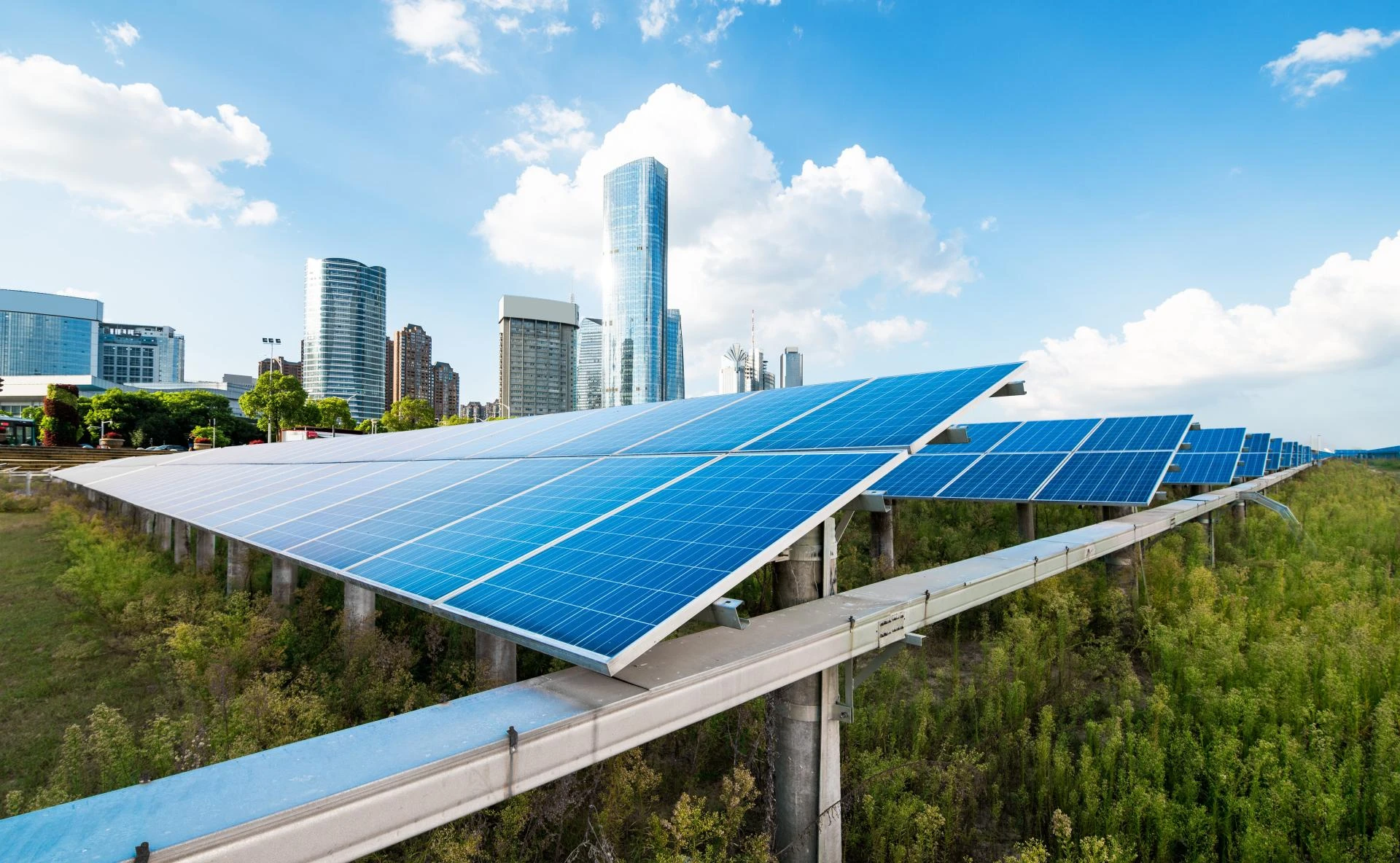
As renewable energy integration accelerates, companies with expertise in grid modernization and infrastructure development play a crucial role.
Hartek Group has been actively contributing to advanced Power transmission & distribution solutions, supporting renewable energy projects with robust engineering and digital capabilities.
With a strong focus on innovation and reliability, Hartek is helping shape intelligent power networks that align with future energy demands.
To learn more about how Hartek Group is strengthening renewable integration through smart infrastructure solutions, visit the official website and explore the path toward a smarter energy future.
Frequently Asked Questions (FAQs)
1. What is a Smart Grid System?
A Smart Grid System is an advanced electricity network that uses digital technology and automation to monitor, control, and optimize power flow in real time.
2. Why is a Smart Grid System important for renewable energy?
It helps manage renewable energy variability, improves grid stability, and ensures efficient integration of solar and wind power into transmission networks.
3. How does smart grid technology improve Power transmission & distribution?
It enhances fault detection, enables real-time monitoring, reduces losses, and supports bidirectional energy flow across distribution networks.
4. Can Smart Grid Systems reduce power outages?
Yes, automated fault isolation and real-time response mechanisms significantly reduce outage frequency and duration.
5. Are Smart Grid Systems essential for future renewable energy projects?
Absolutely. As renewable energy projects grow in scale and complexity, smart grids become essential for ensuring stable, efficient, and reliable power delivery.