
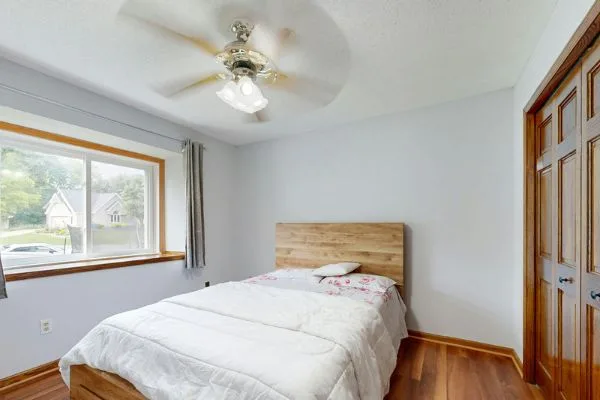
Choosing the right cooling solution for a compact room can be challenging, especially when floor space is limited. A small fan for ceiling is a practical option for improving air circulation without occupying valuable space. Whether you are furnishing a small bedroom, study room, kitchen, or compact apartment, a suitably sized ceiling fan can provide comfortable airflow while complementing your interior design.
Modern small ceiling fans are available in various styles, blade designs, and motor types. Understanding their features and selecting the right model can help you create a comfortable living environment without making a small room feel crowded.
Why Choose a Small Fan for Ceiling?
A small ceiling fan is designed to provide airflow in areas where a standard-sized fan may look oversized or take up too much visual space. Its compact design makes it suitable for rooms with limited dimensions, lower ceilings, or specific cooling requirements.
Here are some reasons homeowners consider installing a small ceiling fan:
- Space-saving design: A ceiling-mounted fan keeps floors and tables free from bulky cooling appliances.
- Improved air circulation: It helps move air around the room, making the space feel more comfortable.
- Suitable for compact interiors: Smaller fans can fit naturally into study areas, small bedrooms, and other limited spaces.
- Energy-conscious operation: Many modern models feature efficient motors that can help reduce electricity consumption.
- Decorative appeal: Minimalist finishes and contemporary blade designs can complement different interior styles.
The most suitable model depends on the room's dimensions, ceiling height, and the amount of airflow required.
Best Places to Install a Small Ceiling Fan
Not every room requires a large ceiling fan. A compact model can be an effective choice when its size and airflow capacity match the space.
1. Small Bedrooms
A small ceiling fan can help circulate air in a single bedroom, guest room, or compact sleeping area. Choose a model with quiet operation and adjustable speed settings if you plan to use it while sleeping.
2. Study Rooms and Home Offices
Working in a warm, poorly ventilated room can be uncomfortable. A small ceiling fan provides overhead airflow without taking up desk space, leaving more room for furniture and equipment.
3. Kitchens
Compact kitchens may benefit from additional air movement, particularly when ventilation is limited. Select a fan suitable for the kitchen environment and install it away from cooking hazards, grease accumulation, and areas where it could interfere with cabinets.
4. Small Apartments and Condominiums
In apartments with limited floor space, a compact ceiling fan can help maintain comfortable airflow without adding another appliance to the room. Its understated design may also suit modern, space-efficient interiors.
5. Walk-In Wardrobes and Utility Areas
Certain compact utility spaces may benefit from additional air circulation. Before installation, check whether the area has adequate ceiling clearance and whether a ceiling fan is appropriate for its ventilation requirements.
How to Choose the Right Small Fan for Ceiling
Selecting a fan involves more than comparing its size or appearance. Consider these important factors before making a purchase.
Room Size and Airflow
Measure the room before selecting a fan. A model that is too small may not circulate enough air, while an oversized model can look disproportionate in a compact interior.
Check the manufacturer's recommended room size and airflow specifications rather than relying on blade diameter alone.
Ceiling Height and Clearance
Ceiling height affects both comfort and installation safety. Ensure that the fan has adequate clearance from the floor, walls, furniture, and nearby fixtures. Low-profile or flush-mount models may be appropriate for some rooms with lower ceilings, provided the manufacturer permits that installation.
Motor Efficiency
Consider a fan with an efficient motor, such as a suitable DC motor model. DC ceiling fans often provide multiple speed settings and can consume less electricity than comparable conventional models, although actual savings depend on the specific products and how they are used.
Noise Levels
If the fan will be installed in a bedroom or workspace, look for information about operating noise. Proper installation, balanced blades, and a quality motor can contribute to quieter operation.
Design and Finish
A compact fan should work with the room's overall appearance. White and neutral finishes can blend into a ceiling, while wood-effect blades or modern metallic details can create a stronger design feature.
Lighting and Remote Controls
Some small ceiling fans include integrated LED lighting, remote controls, or smart-home compatibility. These features can be useful when you want to combine lighting and cooling or adjust fan speed without reaching a wall switch.
Compare the available features with your everyday needs to avoid paying for functions you may not use.
Small Ceiling Fan vs Standard Ceiling Fan
Both options can provide useful airflow, but they serve different spaces and requirements.
FeatureSmall Ceiling FanStandard Ceiling FanBest suited forCompact rooms and limited areasMedium to larger roomsVisual appearanceSubtle and space-consciousMore prominentAirflow coverageGenerally more limitedOften covers a wider areaInstallation considerationsRequires appropriate clearanceRequires sufficient room and clearanceIdeal selection methodMatch size to the roomMatch size to the roomA small fan is not automatically the better option for every compact room. The right choice depends on the required airflow, room layout, and manufacturer's recommendations.
Are Small Ceiling Fans Energy-Efficient?
A small ceiling fan may use less electricity than a larger fan, but energy consumption depends on motor design, wattage, speed setting, and operating time.
To choose an energy-efficient model, compare the rated power consumption of different fans and look for recognised efficiency information where available. DC motor models are worth considering if low energy use and flexible speed control are priorities.
Using a ceiling fan alongside air conditioning may also help distribute cooled air more evenly. However, fans cool people primarily by increasing air movement rather than lowering the room's actual temperature. Switch the fan off when the room is unoccupied to avoid unnecessary electricity use.
Installation and Maintenance Tips
Correct installation helps a small ceiling fan operate safely and reliably.
- Check the mounting structure: Ensure the ceiling and mounting bracket can support the fan according to the manufacturer's instructions.
- Maintain sufficient clearance: Keep blades away from walls, lights, cupboards, and other obstructions.
- Use a qualified installer: Electrical connections and mounting should be completed by a competent professional.
- Clean the blades regularly: Dust accumulation can affect performance and contribute to imbalance.
- Investigate unusual noise: Switch off the fan if it develops excessive vibration, loose components, or unusual sounds, and arrange an inspection.
- Follow the maintenance instructions: Check fasteners and other components as recommended by the manufacturer.
In Singapore, homeowners should also consider ceiling height, the room's layout, and applicable electrical installation requirements before choosing a model.
Where to Find the Best Small Fan for Ceiling
When comparing small ceiling fans, look for a supplier that offers a range of compact designs, clear product specifications, and installation guidance. Review the blade diameter, airflow performance, motor type, energy consumption, warranty, and availability of replacement parts before deciding.
If you are shopping for a small fan for ceiling installation in Singapore, compare models according to your room size and intended use rather than choosing solely by price or appearance. A well-matched fan can provide practical airflow while maintaining the look and functionality of a compact interior.
Conclusion
A small fan for ceiling can be a useful cooling solution for tight spaces, compact bedrooms, home offices, and other smaller rooms. Its overhead installation saves floor space, while modern designs offer options such as efficient motors, remote controls, and integrated lighting.
Before purchasing, consider room dimensions, airflow requirements, ceiling clearance, operating noise, and energy consumption. Choosing a model that fits the space correctly can help you achieve comfortable air circulation without compromising the room's design.
Frequently Asked Questions
1. What is a small ceiling fan best used for?
A small ceiling fan is suitable for compact bedrooms, study rooms, small apartments, and other areas where a standard-sized fan may be unnecessarily large. The model should be selected according to the room's dimensions and airflow requirements.
2. How do I choose the right size ceiling fan for a small room?
Measure the room and check the manufacturer's recommended coverage area. Consider ceiling height, furniture placement, blade clearance, and airflow performance before selecting the fan.
3. Are small ceiling fans suitable for low ceilings?
Some models are designed for lower ceilings, including low-profile and flush-mount options. However, you must check the required clearance and installation instructions to ensure safe operation.
4. Do small ceiling fans consume less electricity?
They may consume less electricity than larger models, but this is not guaranteed. Compare the wattage, motor technology, and operating settings of the specific models you are considering.
5. Can a small ceiling fan include a light?
Yes. Some compact ceiling fans feature integrated LED lights, combining two functions in one ceiling fixture. Check the light output, colour temperature options, and whether the lighting can be controlled independently.
6. Is a small ceiling fan enough to cool a bedroom?
A correctly sized fan can improve perceived comfort by moving air across the room. However, it does not lower the room temperature in the same way as an air conditioner, and a very small fan may not provide sufficient airflow for a larger bedroom.