The idea sounds simple. Smaller engine equals less fuel consumption. It feels logical, and for a long time, it mostly held true. But modern cars are not that straightforward anymore. Turbochargers, hybrid systems, and changing driving conditions have made the equation more complex.
So, are small car engines actually more fuel efficient, or is that just an outdated assumption? The honest answer sits somewhere in the middle.
Let’s break it down properly.
What Makes a Small Engine Efficient?
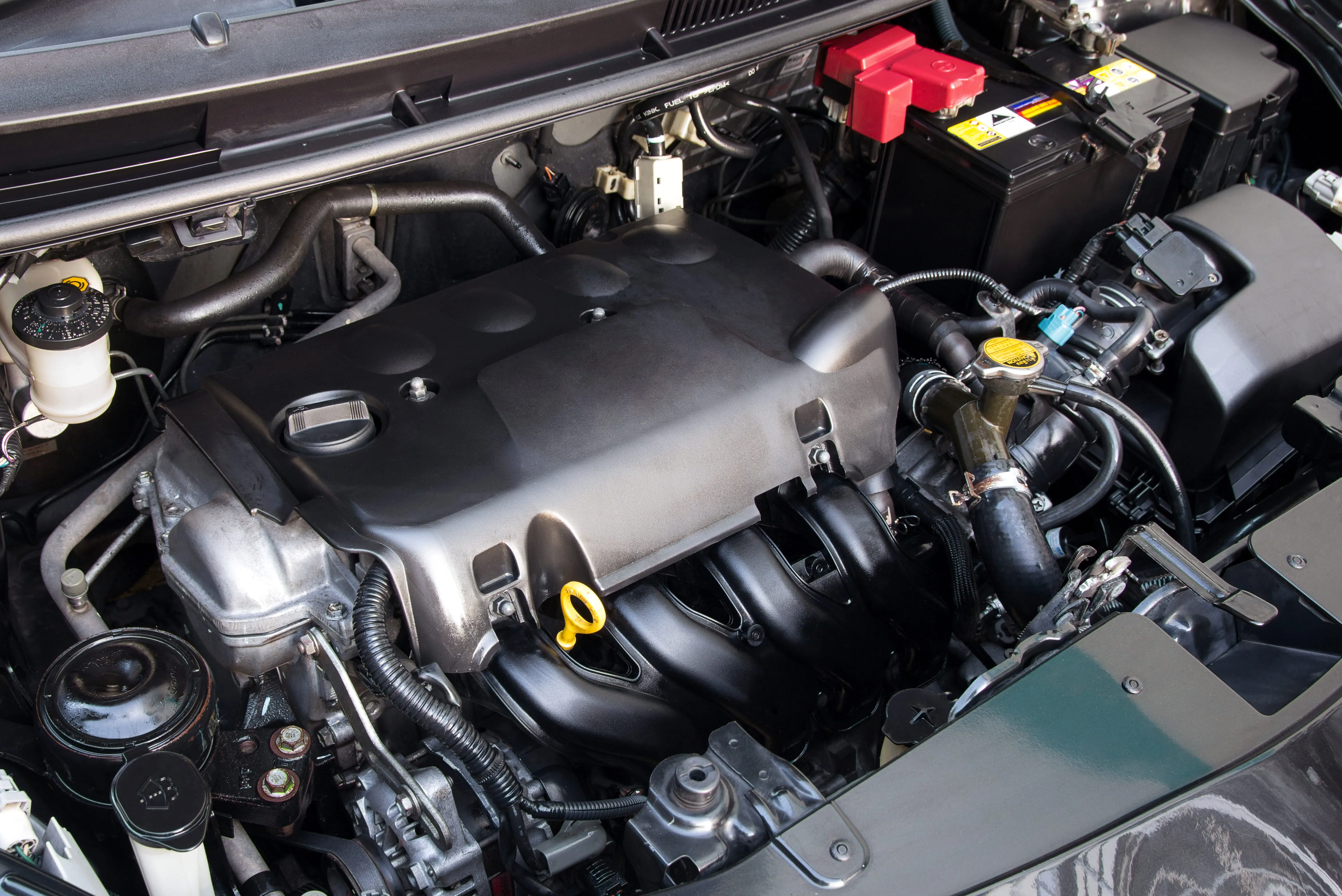
A small engine, usually between 1.0L and 1.5L, burns less fuel per combustion cycle compared to a larger one. That is basic physics. Less air and fuel mixture, less energy consumed.
In ideal conditions, this leads to better mileage.
Here’s why small engines often perform well on efficiency:
- Lower internal friction due to smaller moving parts
- Reduced weight, which helps overall vehicle efficiency
- Optimized for city driving where speeds are moderate
- Less fuel required to maintain steady speeds
If you drive mostly in urban areas with frequent stops, a small engine usually makes sense.
Where the Assumption Starts to Break
The problem begins when we assume that small engines are always more efficient, no matter how they are used.
That is not how engines behave in real life.
A small engine has to work harder when:
- The car is heavily loaded
- You drive at high speeds for long periods
- You accelerate aggressively
- You climb steep roads
When pushed beyond its comfort zone, a small engine consumes more fuel to deliver the required power. Sometimes, it can even become less efficient than a larger engine doing the same job with less strain.
This is where many people get surprised.
The Role of Turbocharging
Modern small engines often come with turbochargers. A turbo forces more air into the engine, allowing it to produce more power without increasing its size.
On paper, this is the best of both worlds. Small engine efficiency with big engine performance.
In practice, it depends on how you drive.
If you drive gently, the turbo rarely engages aggressively, and you enjoy excellent fuel economy.
If you push the car, the turbo kicks in frequently, injecting more fuel to match the extra air. Efficiency drops quickly.
So, a turbocharged 1.0L engine can behave like a fuel-sipping commuter or a thirsty performer depending on your driving style.
City Driving vs Highway Driving
This is where the difference becomes clear.
City Driving
Small engines shine in city conditions.
- Frequent stops and slow speeds
- Less demand for sustained power
- Better mileage due to lower fuel consumption per cycle
In cities, a smaller engine is almost always the smarter choice.
Highway Driving
Things change on highways.
- Constant high speeds demand more power
- Smaller engines run at higher RPMs
- Fuel consumption increases to maintain speed
A larger engine cruising comfortably at lower RPM can sometimes be just as efficient, or even better, on long highway drives.
Weight Matters More Than You Think
Engine size alone does not determine fuel efficiency. The weight of the vehicle plays a major role.
A small engine in a heavy car struggles. It burns more fuel to move that weight.
On the other hand, a slightly larger engine in a well-balanced, lighter car can deliver better real-world mileage.
This is why comparing engine sizes without considering the car’s weight leads to misleading conclusions.
Driving Style Changes Everything
Two people can drive the same car and get very different mileage figures.
Small engines are especially sensitive to driving habits.
Aggressive driving leads to:
- Higher RPM usage
- Frequent gear changes
- Increased fuel injection
Calm, steady driving allows small engines to operate in their most efficient range.
If you want a small engine to deliver good fuel economy, you need to meet it halfway with your driving style.
Hybrid and Electric Influence
The rise of hybrid and electric technology has changed the conversation.
Many small engine cars today are paired with electric motors. This setup improves efficiency dramatically, especially in city traffic.
- Electric motor handles low-speed driving
- Engine kicks in when needed
- Regenerative braking saves energy
In such systems, the engine size becomes less important because the electric component carries a significant part of the load.
This is one reason why small engines still remain relevant in modern cars.
Real-World Mileage vs Claimed Mileage
Manufacturers often publish ideal fuel efficiency numbers based on controlled testing conditions.
Real-world driving rarely matches those conditions.
Small engines tend to show a bigger gap between claimed and actual mileage when:
- Driven aggressively
- Used for highway-heavy travel
- Loaded with passengers or cargo
This does not mean small engines are inefficient. It just means they are more sensitive to how and where they are used.
When a Small Engine Makes Sense
A small engine is a great choice if:
- You mostly drive in the city
- Your daily commute involves traffic and short distances
- You prioritize lower running costs
- You prefer a lightweight, easy-to-handle car
In these situations, small engines deliver exactly what they promise.
When It Might Not Be the Best Choice
A small engine may not be ideal if:
- You frequently drive on highways
- You carry heavy loads regularly
- You live in hilly areas
- You expect quick acceleration and high-speed comfort
In such cases, a slightly larger engine often feels more relaxed and can be more efficient over time.
The Balanced View
The belief that small engines are always more fuel efficient is too simplistic.
They are efficient, but only under the right conditions.
Think of it this way:
- Small engines are specialists, they excel in specific environments
- Larger engines are generalists, they handle a wider range of conditions more comfortably
The best choice depends less on the engine itself and more on how you use the car.
Final Thoughts
Small car engines are not a universal solution for fuel efficiency, but they remain one of the smartest options for urban driving and cost-conscious users.
The key is alignment. Match the engine size with your driving habits, road conditions, and expectations. Do that well, and even a tiny engine can feel perfectly suited to your needs.
Ignore that alignment, and even the most efficient engine can disappoint.
For more such informative blogs, visit AutoVoB