Understanding the Growing Interest
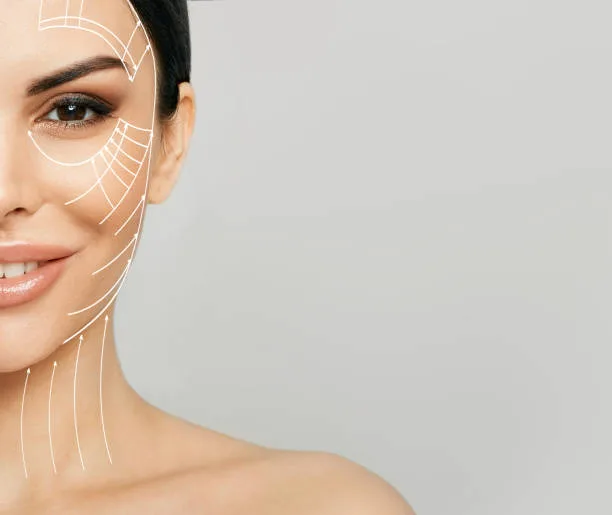
As skincare technology continues to advance, many people seek treatments that support a firmer and more refreshed appearance without invasive procedures. One option frequently discussed is skin tightening facial, which focuses on improving the look and feel of the skin through various non-surgical techniques.
The increasing popularity of non-invasive skincare treatments reflects a growing interest in maintaining healthy-looking skin while avoiding surgical procedures. Many individuals are exploring options that fit into their busy lifestyles and offer a convenient way to support their skincare goals. As awareness of modern skincare solutions continues to grow, treatments designed to address visible signs of aging have become a common topic of discussion among those seeking to enhance their overall appearance.
People today are often looking for ways to improve skin texture, maintain elasticity, and promote a more youthful look. Advances in skincare technology have introduced a variety of approaches that aim to support these goals. While treatment methods may vary, the overall objective remains the same: helping individuals feel more confident about the appearance of their skin through professional skincare options.
Factors That Affect Skin Firmness
Skin naturally changes over time due to several influences:
- Aging and collagen loss
- Environmental exposure
- Lifestyle habits
- Hydration levels
- Individual skin characteristics
Aging is one of the most common factors associated with changes in skin firmness. As time passes, the body's natural production of collagen and elastin gradually decreases, which can affect the skin's structure and appearance. Environmental exposure, including daily contact with sunlight and pollution, may also contribute to visible changes in the skin over time.
Lifestyle habits can play an important role as well. Factors such as sleep quality, nutrition, stress management, and overall wellness may influence how the skin looks and feels. Proper hydration is another key consideration, as maintaining adequate moisture levels can help support healthy-looking skin. Additionally, every individual has unique skin characteristics that affect how their skin ages and responds to various treatments.
Setting Realistic Expectations
While skincare treatments may contribute to overall skin appearance, results can vary from person to person. Understanding the intended purpose of a treatment and discussing goals with a qualified professional can help establish realistic expectations.
It is important to recognize that skincare treatments are not one-size-fits-all solutions. Individual outcomes may differ based on factors such as age, skin condition, lifestyle, and personal skincare routines. Open communication with a qualified professional can help individuals better understand available options and determine which approaches may align with their specific goals.
Having realistic expectations allows people to make informed decisions and appreciate the role that skincare treatments can play within a broader skincare plan. A balanced perspective helps ensure that treatment choices are guided by accurate information and personal needs.
Key Takeaway
Maintaining healthy-looking skin often involves a combination of professional care, daily skincare habits, and lifestyle choices. Exploring available treatment options and understanding their role within a broader skincare routine can help individuals make informed decisions about their skin health.
A consistent approach to skincare, combined with healthy daily habits, can contribute to long-term skin wellness. By learning about available options and understanding the factors that affect skin firmness, individuals can take meaningful steps toward supporting their overall skincare goals and maintaining a refreshed appearance over time.