Changes in skin texture and appearance are a natural part of aging. Over time, collagen production decreases, cellular turnover becomes slower, and repeated environmental exposure can influence the way the skin looks and feels. Fine lines, uneven texture, pigmentation, enlarged pores, and visible signs of sun exposure may gradually become more noticeable.
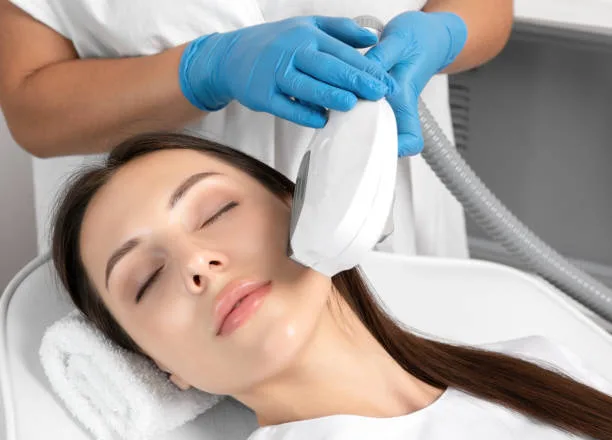
Modern dermatological technology offers several approaches for improving these concerns. One established option is fractional laser resurfacing, which works by creating precisely controlled microscopic treatment zones within the skin.
Understanding Fractional Laser Technology
skin rejuvenation through fractional laser resurfacing uses laser energy to target selected areas of the skin while leaving surrounding tissue intact. This fractional approach is important because untreated areas remain between the microscopic treatment zones, supporting the skin’s natural repair process.
The laser creates controlled thermal effects at predetermined depths. These effects encourage a wound healing response involving collagen remodeling and new tissue formation. Over time, the treated skin can develop a smoother and more refined appearance.
What Fractional Resurfacing Can Address
Fractional laser technology may be considered for several visible skin concerns, including:
• Fine lines and wrinkles
• Uneven skin texture
• Certain pigmentation concerns
• Enlarged pores
• Acne related textural irregularities
• Sun related skin changes
• Overall loss of skin smoothness
The exact treatment parameters can be adjusted according to the individual’s skin type, concern, treatment area, and desired outcome.
How Collagen Remodeling Works
Collagen is one of the primary structural proteins found within the skin. It contributes to firmness, resilience, and overall tissue architecture. With age, the production and organization of collagen gradually change.
Fractional laser energy creates controlled microscopic zones of thermal injury. The body responds by initiating a natural repair process. Fibroblasts become involved in producing new extracellular matrix components, including collagen. Existing collagen can also undergo remodeling as the tissue reorganizes.
This process is gradual rather than immediate. Skin quality may continue to evolve as the remodeling response progresses.
Why Treatment Precision Matters
Laser resurfacing is not simply about applying energy to the skin. Treatment precision plays an important role. Practitioners can consider factors such as wavelength, energy level, pulse characteristics, treatment density, and depth when developing an individualized protocol.
Different concerns may require different treatment strategies. For example, superficial textural irregularities may be approached differently from deeper scars or pronounced signs of photodamage.
A thorough assessment allows the practitioner to evaluate the skin and determine appropriate settings while considering factors such as pigmentation, sensitivity, previous treatments, and the condition of the targeted area.
The Importance of Individual Skin Assessment
Every person’s skin responds differently to treatment. Skin tone, thickness, hydration, age, environmental exposure, and existing conditions can all influence treatment planning.
Before fractional resurfacing, a professional assessment can help identify the primary concern and establish realistic expectations. It can also help determine whether fractional laser technology is appropriate or whether another dermatological approach may better address the specific concern.
Gradual Changes in Skin Quality
The biological response following fractional resurfacing develops over time. The initial healing process is followed by continued collagen remodeling and tissue maturation. This means that visible changes should be considered as part of an evolving process rather than an immediate transformation.
Maintaining a consistent skincare routine and following professional aftercare guidance can also be important during the recovery period. Sun protection is particularly relevant because recently treated skin can be more sensitive to environmental exposure.
A Considered Approach to Resurfacing
Fractional laser resurfacing represents a precise approach to addressing selected surface and structural skin concerns. By combining controlled laser energy with the body’s natural repair mechanisms, the treatment focuses on gradual tissue renewal rather than simply covering visible imperfections.
A consultation with a qualified practitioner remains an important first step. Evaluating skin condition, treatment goals, and individual characteristics helps create a more considered treatment plan and supports realistic expectations about the process and its potential results.