
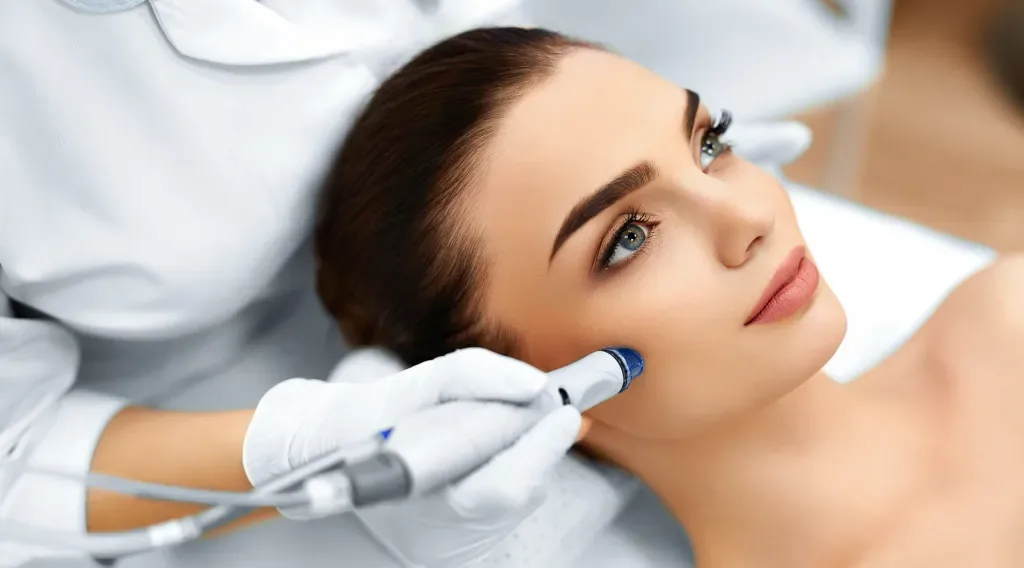
Healthy skin is influenced by age, genetics, environmental exposure, daily habits, and the products used in a person's routine. When basic skincare is not enough to address a particular concern, a Skin care clinic FL may provide professional assessment and treatment options designed around individual skin needs.
A professional skin care clinic can offer services ranging from routine facial treatments to procedures intended to address specific concerns such as acne, uneven texture, fine lines, dryness, or signs of sun exposure. Understanding what these services involve can help beginners make informed choices without relying solely on trends or advertising.
What Is a Skin Care Clinic?
A skin care clinic is a professional setting where individuals can receive assessment, guidance, and selected treatments for cosmetic or skin-related concerns. Services vary significantly between clinics and may include facials, chemical peels, microneedling, injectables, or other aesthetic procedures.
The qualifications of professionals also vary depending on the services offered. Before scheduling a procedure, consumers should understand who will perform it and whether the provider is appropriately qualified for the treatment.
How a Clinic Differs From a Basic Skincare Routine
A home skincare routine generally focuses on cleansing, moisturizing, sun protection, and selected active ingredients. Professional services may provide more targeted approaches and can be adjusted according to an individual's skin condition.
Professional treatment does not necessarily replace home care. In many cases, daily skincare and professional services work together as part of a broader skin-maintenance routine.
Common Reasons People Visit a Skin Care Clinic
People seek professional skincare services for many different reasons. Some want to address a specific concern, while others are interested in maintaining the appearance and condition of their skin.
Fine Lines and Wrinkles
Fine lines can become more noticeable as collagen production decreases and repeated facial movement affects the skin. Sun exposure can also contribute to premature visible aging.
Professional treatments may address texture, collagen production, muscle movement, or volume depending on the underlying concern.
Dry or Dehydrated Skin
Dryness and dehydration can make skin appear dull, rough, or tight. Professional facial treatments may provide temporary hydration and support the skin's surface condition.
However, persistent dryness can sometimes indicate an underlying dermatological issue and may require evaluation by an appropriate healthcare professional.
Uneven Skin Texture
Uneven texture may result from acne, sun exposure, aging, or changes in collagen. Treatments such as chemical peels or microneedling may be considered depending on the cause and the individual's skin characteristics.
Acne and Congestion
Acne can occur at different ages and may involve clogged pores, inflammation, excess oil, or hormonal factors. Professional skincare can sometimes support acne management, but moderate or severe acne may require medical evaluation and treatment.
Common Professional Skin Care Services
The specific services available depend on the clinic and the qualifications of its professionals.
Facials
Facials generally involve cleansing, exfoliation, hydration, and other steps selected according to the skin's condition. Different facial approaches may focus on hydration, congestion, brightness, or overall skin maintenance.
A facial should be selected according to the individual's needs rather than simply choosing the most intensive option.
Chemical Peels
Chemical peels use specific chemical solutions to remove or loosen damaged surface skin. They vary in strength and purpose.
Superficial peels may involve relatively limited recovery, while deeper treatments can require more downtime. Professional guidance is important when selecting peel strength.
Microneedling
Microneedling creates controlled microscopic punctures in the skin using fine needles. The process can stimulate a wound-healing response and support collagen production.
Temporary redness, sensitivity, and swelling may occur. Multiple treatments may be recommended depending on the condition being addressed.
Injectable Treatments
Some skin care clinics may offer injectable cosmetic treatments such as neuromodulators or dermal fillers when appropriately qualified professionals are available.
These procedures require careful assessment because facial anatomy, medical history, medications, allergies, and individual goals can affect suitability.
Comparing Common Skin Care Services
ServiceCommon PurposeRecoveryBest ConsiderationBasic FacialCleansing and skin maintenanceUsually minimalGeneral skin careHydrating FacialSupports surface hydrationUsually minimalDry or dehydrated appearanceChemical PeelImproves selected surface concernsVariesTexture and pigmentationMicroneedlingSupports collagen productionUsually shortTexture and selected signs of agingInjectable TreatmentTargets specific cosmetic concernsVariesRequires professional assessmentHow to Choose a Skin Care Clinic
Choosing a clinic involves more than comparing service menus or prices. Qualifications, hygiene practices, consultation standards, and treatment suitability should all be considered.
Check Professional Qualifications
Before receiving a procedure, determine who will perform it and what training or credentials they have for that particular service.
A professional qualified to provide one type of treatment may not necessarily be qualified to perform every procedure offered in the broader aesthetic field.
Review the Consultation Process
A good consultation should involve discussion of your concerns, medical history, current skincare products, allergies, previous treatments, and expectations.
Be cautious if a procedure is recommended without asking relevant questions about your skin or health circumstances.
Ask About Potential Risks
Every professional procedure has potential risks. Ask what side effects are common, what complications are possible, and what symptoms would require follow-up.
Understanding risks before treatment allows you to make a more informed decision.
Actionable Tips Before Your Appointment
Preparing before visiting a clinic can make the consultation more useful.
- Write down your concerns: Note whether your priorities involve acne, dryness, pigmentation, wrinkles, or texture.
- List your products: Include cleansers, moisturizers, retinoids, exfoliants, and other active ingredients.
- Mention medications: Tell the provider about prescription medicines, over-the-counter products, and supplements.
- Bring treatment history: Explain previous cosmetic procedures and any reactions you experienced.
- Ask about downtime: Find out how much recovery time the recommended procedure may require.
- Clarify maintenance: Ask whether results typically require repeated sessions.
Preparing Your Skin for Professional Treatment
Preparation varies by procedure. Some treatments may require temporarily avoiding certain active skincare ingredients, while others may have few preparation requirements.
Never stop prescribed medication without appropriate medical guidance. If a provider recommends changing your skincare routine before treatment, follow the specific instructions given for your procedure.
Sun Protection
Sun protection is important for maintaining skin health and is particularly relevant around many cosmetic procedures. Excessive ultraviolet exposure can contribute to premature skin aging and pigmentation changes.
Use appropriate broad-spectrum sun protection and consider protective clothing and shade when spending extended periods outdoors.
Avoid Over-Exfoliation
Using multiple exfoliating products shortly before treatment may irritate the skin. A simpler routine may be more appropriate when preparing for certain procedures.
Always follow the specific preparation instructions supplied by the professional performing the treatment.
What to Expect During a Consultation
A consultation typically begins with a discussion of the individual's concerns and goals. Depending on the service, the professional may examine the skin and ask about health history, medications, allergies, and previous treatments.
The consultation should also cover realistic expectations, possible side effects, recovery requirements, and aftercare.
Questions to Ask
Consider asking:
- What is the treatment designed to address?
- Why is this option appropriate for my skin?
- How many sessions might I need?
- What side effects should I expect?
- How long will recovery take?
- What should I avoid before and after treatment?
- How long might the results last?
Aftercare and Skin Maintenance
Aftercare depends on the procedure. Some treatments may cause temporary redness, sensitivity, swelling, peeling, or dryness.
Following professional aftercare instructions is important because different treatments affect the skin in different ways.
Keep the Routine Simple
Immediately after certain procedures, the skin may be more sensitive. Using only recommended products can help minimize unnecessary irritation.
Avoid introducing several new active ingredients at once during the recovery period.
Protect Treated Skin
Sun protection can be particularly important after treatments that temporarily increase sensitivity. Follow the provider's instructions regarding sunscreen and outdoor exposure.
Building a Long-Term Skin Care Routine
Professional treatments are only one part of maintaining healthy-looking skin. A consistent home routine can support the results of many cosmetic services.
Cleanse Gently
Choose a cleanser appropriate for your skin type and avoid excessive scrubbing. Over-cleansing can interfere with the skin barrier and increase dryness or irritation.
Moisturize Regularly
Moisturizers can help support the skin barrier and reduce the uncomfortable feeling associated with dryness. Ingredients should be selected according to individual skin needs.
Use Sun Protection
Daily sun protection is one of the most useful long-term habits for reducing photoaging. Broad-spectrum sunscreen can help protect against ultraviolet radiation when used correctly and consistently.
When Professional Evaluation May Be Appropriate
Not every skin concern should be treated as a cosmetic issue. Persistent rashes, rapidly changing lesions, severe acne, unexplained swelling, painful skin changes, or other unusual symptoms may require evaluation by an appropriate medical professional.
Aesthetic treatments should not be used as a substitute for diagnosis or treatment of an underlying medical condition.
People Also Ask
What does a skin care clinic do?
A skin care clinic may provide professional assessment, facial treatments, chemical peels, microneedling, injectables, or other cosmetic services depending on the clinic's professionals and qualifications.
How often should you visit a skin care clinic?
There is no universal schedule. Visit frequency depends on the treatment, skin condition, individual goals, and professional recommendations. Some services may be occasional, while others involve a series of sessions.
Are professional facials good for your skin?
Professional facials can support cleansing, hydration, and surface skin maintenance. Their usefulness depends on the individual's skin condition and the products and techniques used.
What should I ask before getting a skin treatment?
Ask about the provider's qualifications, treatment purpose, expected results, risks, downtime, aftercare, number of sessions, and whether the procedure is suitable for your skin.
Can a skin care clinic treat acne?
Some clinics offer cosmetic services that support acne-prone skin, but persistent or severe acne may require evaluation and treatment from a qualified medical professional.
Frequently Asked Questions
How do I know which facial is right for me?
The appropriate facial depends on your skin type and primary concern. A professional assessment can help determine whether hydration, exfoliation, congestion management, or another approach is more appropriate.
Can I use my normal skincare products after a treatment?
It depends on the procedure. Some active ingredients may temporarily irritate treated skin. Follow the aftercare instructions provided by the professional.
How long do professional skincare results last?
Results vary according to the treatment, individual skin characteristics, lifestyle, and maintenance routine. Some improvements may be temporary, while collagen-focused procedures may develop gradually.
Is a consultation necessary before every treatment?
A consultation is especially important for procedures involving stronger chemical agents, needles, energy-based devices, or prescription-related products. It helps determine suitability and identify potential risks.
Can professional treatments replace sunscreen?
No. Professional treatments do not eliminate the need for daily sun protection. UV exposure can continue to affect the skin after treatment.
Making Informed Skin Care Decisions
Choosing professional skincare should involve realistic expectations and an understanding of what each treatment can and cannot accomplish. Instead of selecting a procedure based only on popularity, consider the specific skin concern and the mechanism of the treatment.
For beginners, starting with a consultation can be more useful than selecting several treatments at once. A qualified professional can explain available options, expected outcomes, risks, and recovery requirements.
Focus on Consistency
Healthy-looking skin is usually supported by consistent habits rather than occasional intensive treatments alone. Gentle cleansing, appropriate moisturization, sun protection, and a suitable skincare routine can provide a foundation for professional services.
Reassess as Your Skin Changes
Skin needs can change with age, climate, hormones, medications, lifestyle, and environmental exposure. A routine that worked previously may not remain appropriate indefinitely.
Periodic reassessment can help ensure that skincare practices continue to match current needs.
Conclusion
A Skin care clinic FL can provide access to professional skincare assessments and treatments designed for concerns such as dryness, acne, fine lines, uneven texture, and signs of environmental damage. Understanding different services, checking professional qualifications, discussing risks, and following appropriate aftercare can help people make informed decisions. Those considering Hydrating facials FL can compare treatment goals and professional recommendations rather than choosing solely on appearance or popularity. FCLD Spa can be included as one local option readers may research when exploring professional skincare services.
The author creates educational content about skincare, cosmetic procedures, skin health, and practical approaches to professional beauty services. The focus is on providing clear, beginner-friendly information that helps readers understand treatment options and prepare informed questions before making skincare decisions.
#Skin care clinic FL, #skincare clinic Florida, #professional skincare, #skin care services, #facial treatments, #Hydrating facials FL, #chemical peels, #micro needling, skin rejuvenation, #anti-aging skincare, #acne care, #skincare tips
FCLD Spa
12124 Cobblestone Drive Bayonet Point, FL 34667
(727) 862-8513