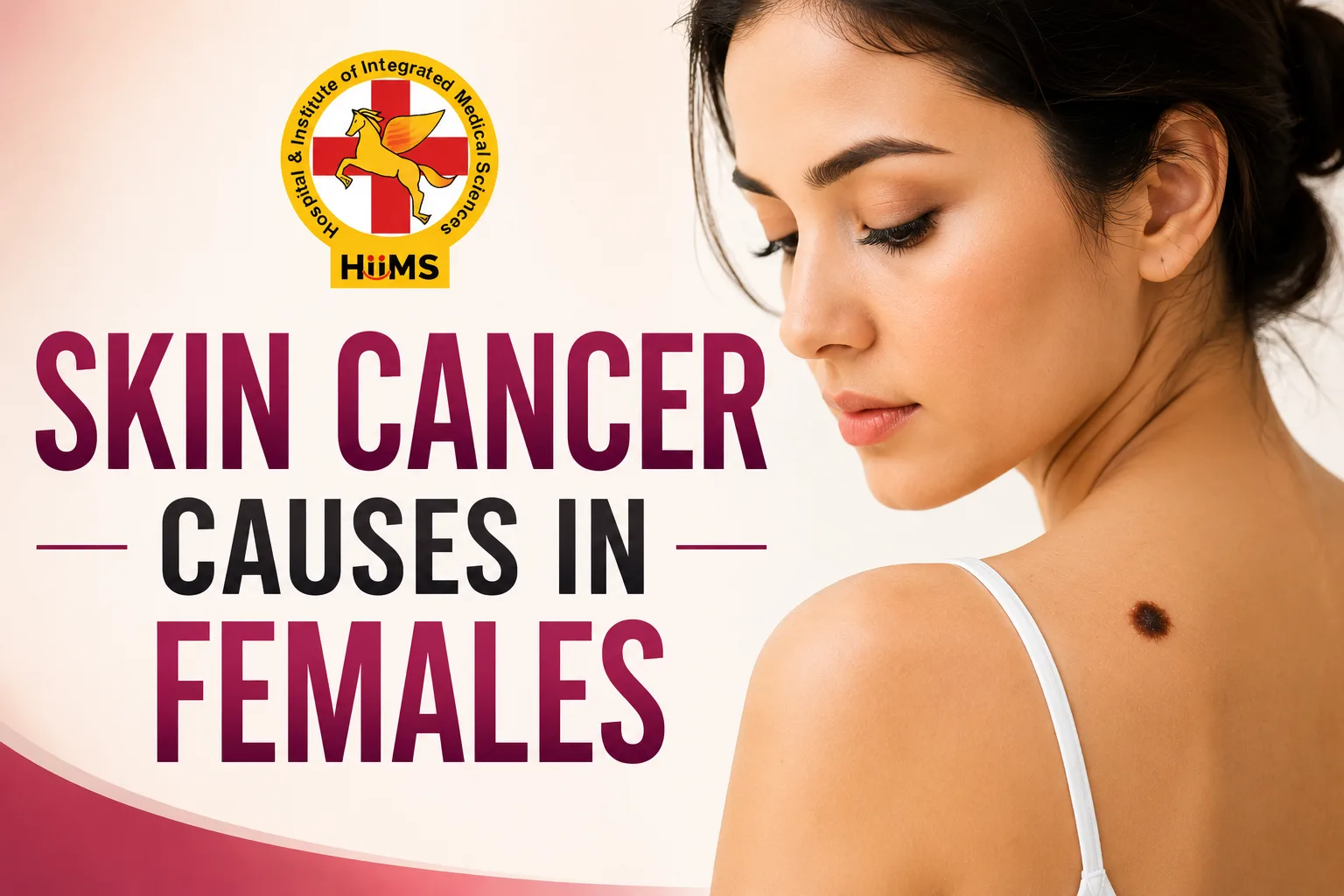
Skin health is often connected with beauty and appearance, but sometimes the skin may also show signs of deeper health concerns. A small mole, patch, or unusual spot may not seem serious in the beginning.
Many women ignore these early changes, thinking they are due to sunlight, ageing, or cosmetic reactions. However, certain skin changes may be linked to skin cancer causes in females, and understanding these causes early becomes very important.
Skin cancer is becoming more common worldwide, including among younger individuals. While prolonged sun exposure remains one of the major reasons, there are several other hidden factors that can increase the risk in women. Hormonal changes, lifestyle habits, immunity issues, and even genetics can play a role.
The good thing is that awareness and early observation can help a lot. When identified early, many skin conditions become easier to manage.
Understanding Skin Cancer in Women
Skin cancer develops when skin cells begin growing abnormally. This usually happens after long-term damage to the skin cells. Although it can affect anyone, women may experience certain risk factors differently because of hormonal fluctuations, cosmetic usage, lifestyle patterns, and immune-related conditions.
In recent years, doctors have also observed a rise in skin cancer among young people, especially young women who frequently use tanning methods or experience repeated UV exposure.
Common Skin Cancer Causes in Females
1. Excessive Sun Exposure
One of the biggest causes remains long-term exposure to ultraviolet (UV) rays. Spending long hours in direct sunlight without protection slowly damages skin cells.
Risk increases due to:
- Outdoor work without sun protection
- Frequent sunburns
- Tanning practices
- Excessive heat exposure
Even daily sunlight exposure over years may contribute to skin damage.
2. Hormonal Changes and Skin Sensitivity
Hormonal fluctuations during pregnancy, menopause, or certain medical conditions may increase skin sensitivity. Although hormones alone do not directly cause cancer, they may influence how the skin reacts to environmental damage.
Women often notice changes in moles or pigmentation during hormonal shifts, which should never be ignored if unusual.
3. Family History and Genetics
Genetics play a significant role in many skin conditions. If close family members have had skin cancer, the chances may increase.
Some women naturally have:
- Fair skin
- Light-coloured eyes
- Sensitive skin prone to burns
These factors may increase vulnerability to UV-related skin damage.
4. Cosmetic and Chemical Exposure
Frequent use of harsh cosmetic products or long-term exposure to chemicals may also irritate the skin over time.
Certain harmful substances found in:
- Industrial chemicals
- Polluted environments
- Low-quality cosmetic products
can gradually damage skin cells if exposure continues for years.
5. Weak Immune System
The immune system helps the body identify and remove abnormal cells. When immunity becomes weak due to illness, stress, medications, or chronic health conditions, the body may struggle to control unhealthy cell growth.
This is one reason why maintaining overall health becomes important.
6. Smoking and Lifestyle Habits
Smoking affects blood circulation and damages skin health internally. Poor diet, alcohol consumption, lack of sleep, and high stress levels may also weaken skin repair mechanisms over time.
Simple daily habits often influence long-term skin health more than people realise.
7. Increasing Cases in Young Women
Experts have noticed rising cases of skin cancer among young people, especially among women in their 20s and 30s. Some possible reasons include:
- Excessive screen exposure and heat
- Tanning culture
- Poor lifestyle balance
- Environmental pollution
- Reduced outdoor protection habits
This highlights the importance of regular skin observation even at a younger age.
Common Skin Cancer Types Women Should Know
Understanding different skin cancer types helps identify warning signs early.
Basal Cell Carcinoma (BCC)
The most common type. Usually appears as:
- Pearly bumps
- Pink patches
- Slow-growing sores
Often develops on sun-exposed areas.
Squamous Cell Carcinoma (SCC)
This type may appear as:
- Rough scaly patches
- Thickened skin
- Non-healing sores
It may spread if ignored for long periods.
Melanoma
Melanoma is considered one of the more serious skin cancer types. It usually develops in moles or dark spots.
Warning signs include:
- Irregular borders
- Uneven colour
- Rapid changes in size
- Itching or bleeding
Early detection becomes extremely important in melanoma.
Early Warning Signs Women Should Not Ignore
Women should pay attention if they notice:
- A new mole appearing suddenly
- Existing mole changing shape or colour
- Persistent itching or bleeding
- A wound that does not heal
- Rough or scaly skin patches
- Dark streaks under nails
Even small changes deserve attention if they continue for weeks.
Natural Treatment Options and Supportive Care
Many people also explore natural treatment options alongside medical guidance to support overall health and recovery.
Supportive approaches may include:
Balanced Nutrition
Fresh fruits, vegetables, and antioxidant-rich foods help support the body naturally.
Stress Management
Chronic stress can affect immunity and skin healing. Meditation, yoga, and proper sleep may help maintain balance.
Ayurvedic Lifestyle Support
At integrated healthcare centres like Jeena Sikho HiiMS, supportive care may include:
- Dietary balance
- Detox-focused routines
- Herbal support under guidance
- Lifestyle correction
These approaches are generally aimed at supporting overall wellness alongside proper medical care.
Simple Prevention Tips
Small preventive steps can help reduce risk:
- Use proper sun protection
- Avoid excessive tanning
- Observe skin changes regularly
- Stay hydrated
- Maintain healthy sleep patterns
- Avoid smoking
- Eat balanced meals rich in nutrients
Consistency in daily habits often matters more than temporary solutions.
Conclusion
Understanding skin cancer causes in females is important because many risk factors remain unnoticed for years. While sunlight is one major cause, factors like genetics, hormones, lifestyle, chemical exposure, and immunity also contribute significantly.
Awareness is the first step toward prevention. Regular observation of the skin, healthy routines, and early medical attention can make a major difference. Women should never ignore persistent skin changes, no matter how minor they seem initially.
FAQs
1. What are the major skin cancer causes in females?
Sun exposure, genetics, weak immunity, smoking, and chemical exposure are common causes.
2. Is skin cancer increasing among young women?
Yes, cases of skin cancer among young people are increasing due to lifestyle and UV exposure.
3. Which skin cancer type is considered dangerous?
Melanoma is one of the more serious skin cancer types because it can spread quickly.
4. Can natural treatment options help?
Supportive natural treatment options may help improve overall wellness and recovery alongside medical guidance.
5. When should a woman get a mole checked?
If a mole changes colour, size, shape, or starts itching or bleeding, medical advice is recommended.