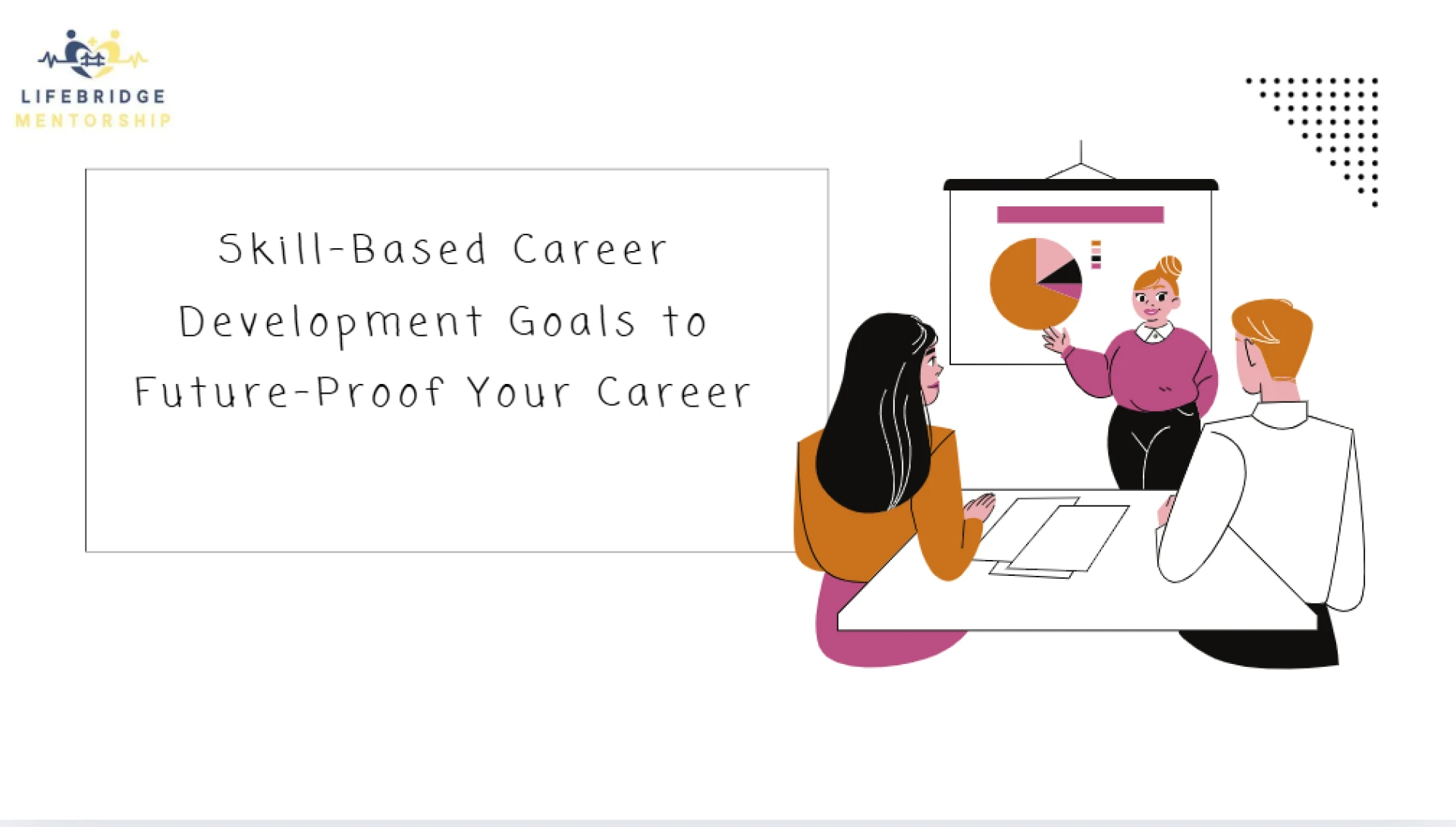
Career growth doesn’t just happen on its own. The workplace is changing faster than ever — new technologies, shifting industries, and fresh expectations are rewriting what “being skilled” even means. If you want a career that can stand the test of time, it’s not enough to just work hard. You’ve got to work smart, and that starts with setting the right career development goals.
Why Skill-Based Goals Matter
Think about it: promotions aren’t just handed out because you’ve been around for a while. Companies reward people who keep learning and stay relevant. Setting personal development goals around skills makes sure you’re building a toolbox you can actually use — not just collecting certifications that gather dust.
And yes, that means stepping out of your comfort zone. Learning a new tech platform, improving your writing, or even working on soft skills like negotiation might feel awkward at first. But that’s where growth happens.
Focus on Transferable Skills
One of the smartest moves you can make is working on skills that apply to multiple roles or industries. Problem-solving, communication, and leadership aren’t tied to one job title — they follow you everywhere.
For example, maybe you’re a designer. Sure, you should stay updated on Figma tricks or the latest UX trends, but pairing that with storytelling skills can make you a better presenter and help you land clients faster.
Practical Goal Ideas
- Build a New Technical Skill: Learn data visualization if you work with reports, or basic coding if your role touches anything digital.
- Strengthen Communication: Join a public speaking group, record yourself explaining your work, or take a short storytelling course.
- Improve Critical Thinking: Read case studies in your industry and try to solve them as if you were part of the team.
- Grow Your Network: Make a goal to connect with five professionals each month and actually talk shop with them, not just send connection requests.
Don’t Forget the Soft Skills
It’s easy to get caught up in hard skills because they feel tangible. But the ability to collaborate, manage time, and stay emotionally resilient can completely change the trajectory of your career.
Imagine you’re under pressure and still manage to deliver with a calm, collected attitude — that’s the kind of thing managers remember when promotions are on the table.
Keep It Measurable
Vague goals like “get better at Excel” rarely stick. Instead, set targets you can actually track: “complete an intermediate Excel course and automate one report by next quarter.” Small, clear wins give you momentum and help you stay motivated.
The Real Win
Future-proofing your career isn’t about chasing every shiny new skill — it’s about building a mix that lets you adapt no matter what changes come. Start small, stay consistent, and check in with yourself every few months. If a skill feels stale or irrelevant, swap it out for something that excites you again.
At LifeBridge Mentorship, we believe your career should grow with you — not trap you. Set goals that challenge you, surprise you, and keep you ahead of the curve. Your future self will thank you.