Modern life can feel fast paced, demanding, and filled with constant responsibilities. It is easy to put personal well being on the back burner when schedules become crowded and daily demands require attention. Yet self care is one of the most important elements of maintaining emotional balance, physical health, and a positive mindset. When individuals carve out time to care for themselves, they build resilience and create space for rest, clarity, and renewal. Even with a busy lifestyle, simple self care practices can make a meaningful difference each day.
Understanding the Role of Self-Care
Self care is not a luxury. It is a vital part of maintaining balance in both emotional and physical health. It includes practices that help refuel energy, calm the mind, and support overall well being. Some people view self care as something that requires long stretches of time or elaborate routines, but its most powerful effects often come from small, consistent habits. These habits help reduce stress, increase emotional resilience, and improve overall satisfaction with daily life. When individuals understand self care as a necessity rather than an indulgence, they are more likely to prioritize it intentionally.
Creating Moments of Daily Calm
Calmness often feels hard to achieve in a busy world, but brief moments of stillness can have a powerful impact on well being. Setting aside a quiet moment in the morning, during lunch, or before bed helps reset the mind and reduce tension. Taking a few minutes to breathe deeply, sip tea, stretch, or enjoy silence can shift the entire tone of the day. These moments encourage mindfulness and provide a gentle reminder to slow down. Small, restorative pauses throughout the day help maintain balance even when schedules feel overwhelming.
Making Movement a Regular Part of Life
Physical movement supports both mental and physical health. Staying active improves energy levels, reduces stress, and strengthens the body. Movement does not need to be intensive to be effective. Light activities such as walking, stretching, or gentle yoga can be easily woven into a busy lifestyle. These daily movements improve focus and create a natural break from mental demands. Over time, consistent movement becomes a rewarding habit that enhances overall well being.
Nourishing the Body With Intent
Nutrition plays an important role in self care. Eating balanced meals helps stabilize energy levels and supports emotional health. Preparing nourishing foods does not have to be complicated. Simple choices such as adding fruits, vegetables, or whole grains create a meaningful impact on the body. Staying hydrated and listening to hunger cues also supports physical comfort. When individuals choose foods that fuel their bodies, they create a foundation for long term wellness. Nourishing meals help maintain a balanced mood and steady energy throughout the day.
Reconnecting With Joy
Self care often means rediscovering joy in small moments. Hobbies such as reading, crafting, cooking, or listening to music help nurture creativity and emotional wellness. These activities provide a refreshing escape from daily stress and remind individuals of what brings them happiness. Making room for joy strengthens resilience and creates a more meaningful relationship with daily life. Even brief moments spent doing something enjoyable can refresh the spirit and provide comfort during stressful periods.
Embracing Rest Without Guilt
Rest is essential for well being, yet many people struggle to prioritize it. A busy lifestyle can create pressure to stay constantly productive, leaving little room for restorative rest. Embracing rest without feeling guilty supports emotional and physical health. Taking time to relax encourages the mind and body to recover from daily demands. Self care includes allowing space for sleep, quiet time, and moments when nothing is required. Giving yourself permission to rest strengthens balance and improves overall happiness.
Treating Yourself to Restorative Experiences
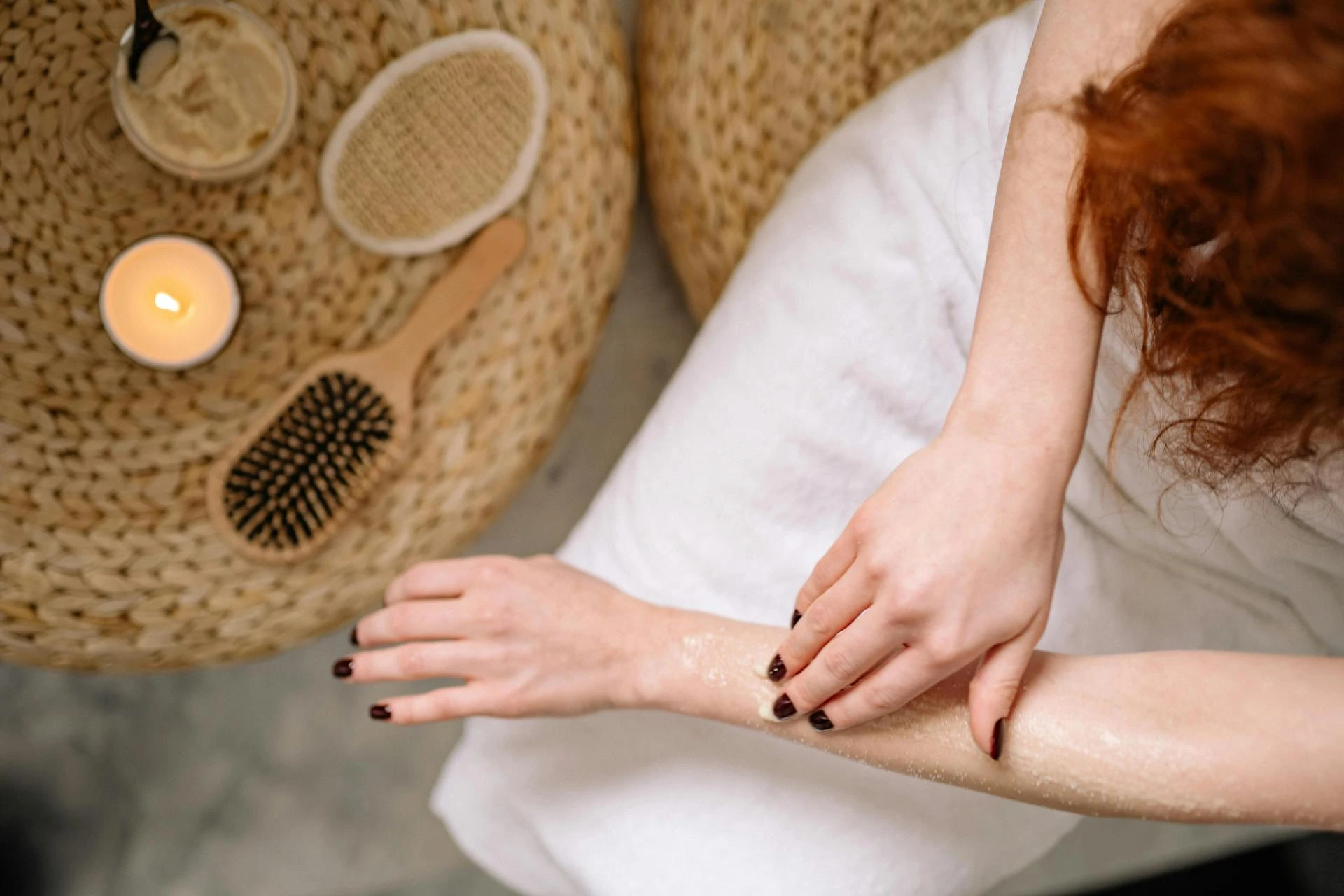
Sometimes self care involves stepping outside daily routines and choosing experiences that offer deep rest and renewal. A wellness spa retreat is one example of an intentional break that provides relaxation, rejuvenation, and mental clarity. These experiences help individuals disconnect from stress and reconnect with themselves. While such retreats may not happen often, they remind individuals of the importance of stepping away from daily pressures and prioritizing personal well being. Whether through massage, meditation, or peaceful surroundings, these experiences offer profound restoration.
Conclusion
Self care is a powerful practice that supports emotional balance, physical health, and overall well being. Even in a busy lifestyle, simple daily habits such as movement, rest, nourishment, and joyful activities can create meaningful change. Prioritizing self care helps individuals feel grounded, energized, and capable of navigating challenges with greater calm and clarity.