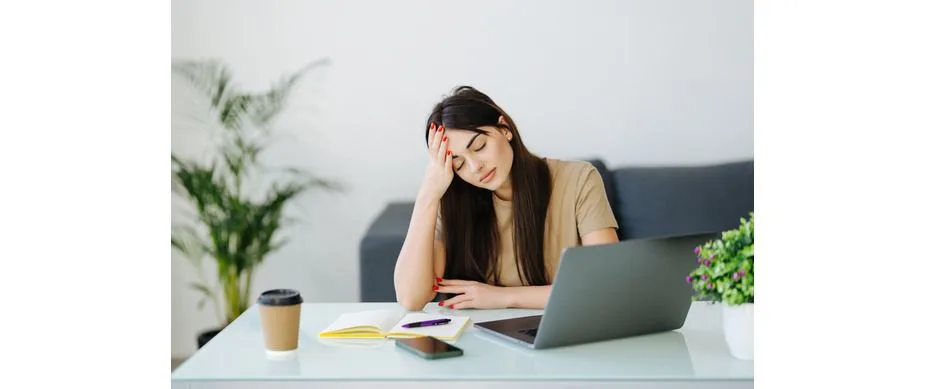
Stress is a common part of modern life. Work responsibilities, family commitments, studies, and daily challenges can sometimes feel overwhelming. Learning effective stress management techniques can improve focus, emotional well-being, and overall quality of life. By adopting simple habits and mindfulness practices, anyone can take small steps toward a calmer and healthier lifestyle.
1. Practice Mindfulness Every Day
Mindfulness means paying attention to the present moment without judgment. Spending a few minutes focusing on your breathing, thoughts, and surroundings can help you feel more relaxed and aware. Simple mindfulness exercises can be practiced at home, at work, or during a short break.
Explore these mindfulness and wellness resources to discover ideas for incorporating relaxation into your daily routine.
2. Take Short Breaks Throughout the Day
Working continuously without breaks can increase mental fatigue and make it harder to concentrate. Taking short breaks, stretching your body, or stepping outside for fresh air can help refresh your mind. Try dividing large tasks into smaller, manageable steps to reduce unnecessary pressure.
3. Try Simple Stress Relief Tools
Stress relief tools can provide a simple way to relax during busy moments. Squeezing a stress ball while working or studying may offer a physical outlet for tension and help redirect your attention. Combining these tools with deep breathing and short breaks can support a more relaxing daily routine.
4. Build Healthy Daily Habits
Healthy habits play an important role in managing everyday stress. Getting enough sleep, eating balanced meals, drinking water, and engaging in regular physical activity can support physical and emotional health. Maintaining a consistent routine can also make daily responsibilities feel more manageable.
Start with small changes, such as taking a morning walk, limiting screen time before bed, or setting aside a few minutes for quiet reflection.
5. Organize Your Tasks and Priorities
An overloaded schedule can contribute to stress. Creating a daily to-do list helps you identify important tasks and organize your time more effectively. Focus on one task at a time rather than trying to complete everything simultaneously.
Set realistic goals and allow yourself time to rest. Learning to say no to unnecessary commitments can also help maintain a healthier balance between work and personal life.
6. Spend Time on Relaxing Activities
Making time for enjoyable activities can help you unwind after a demanding day. Reading, listening to music, gardening, drawing, or spending time with loved ones can provide a welcome break from daily pressures.
Mindfulness games, journals, and creative activities can also encourage self-reflection and help individuals develop healthier emotional habits.
7. Make Self-Care a Priority
Self-care includes everyday actions that support your well-being, such as acknowledging your feelings, taking breaks when needed, and maintaining supportive relationships. Even a few minutes of quiet time can help you reconnect with yourself and recognize when you need rest.
Be patient with yourself when things do not go as planned. If stress becomes persistent or starts affecting your daily functioning, consider speaking with a qualified healthcare professional.
Conclusion
Managing stress does not require dramatic lifestyle changes. Practicing mindfulness, taking regular breaks, organizing daily tasks, maintaining healthy habits, and making time for relaxation can help you handle everyday challenges more effectively.
Start with one or two techniques that suit your lifestyle and practice them consistently. Over time, these small steps can help you build a more balanced routine and support your overall well-being. Explore more ideas for mindfulness and everyday wellness to continue your journey toward a calmer lifestyle.