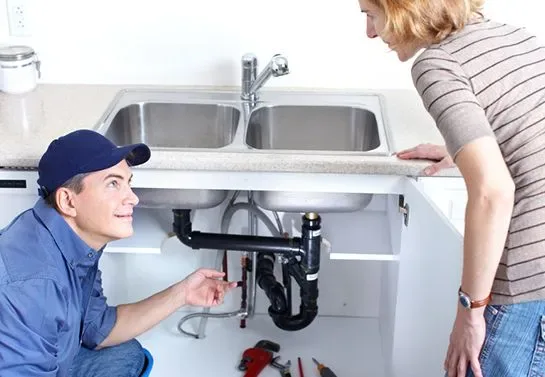
Plumbing maintenance is often something homeowners think about only after a problem appears. However, a few simple habits can help keep household plumbing working properly and make it easier to notice developing issues. Regular checks do not need to be complicated or time-consuming. Knowing what to look for and responding to small changes can help prevent avoidable disruptions.
Check Exposed Pipes Regularly
Visible pipes beneath sinks, around appliances, and in utility areas can provide useful clues about the condition of a plumbing system. Homeowners should occasionally look for moisture, corrosion, mineral deposits, or small drops of water around joints and connections.
A pipe does not necessarily have to burst before it becomes a concern. Signs such as discoloration, damp cabinets, or repeated moisture may indicate a developing leak. Catching these symptoms early can make it easier to address the source before water affects nearby materials.
For plumbing concerns that are difficult to identify, a Plumber Toronto homeowners trust can inspect the affected area and help determine whether a repair is necessary.
Keep Drains Free From Unnecessary Debris
Household drains handle water every day, but they are not designed to carry every substance that can enter a sink or shower. Grease, food particles, hair, soap residue, and other materials can gradually collect inside pipes.
Simple habits can reduce this buildup. A strainer can be placed over kitchen and bathroom drains to catch larger particles before they enter the plumbing system. Cooking grease and oil should also be disposed of appropriately rather than poured into a sink.
These preventative measures can help reduce the frequency of blockages and keep water moving through the drainage system more efficiently.
Pay Attention to Water Pressure
Water pressure is another useful indicator of plumbing conditions. A noticeable change may be caused by something as simple as a fixture issue, but persistent changes throughout the home can require further investigation.
Homeowners can pay attention to whether low pressure affects one faucet or several fixtures. If the change occurs across multiple areas, there may be an issue somewhere within the water supply system.
Sudden increases in pressure should also not be ignored. Excessively high pressure can place additional stress on plumbing components and fixtures over time. When pressure changes are unexplained or persistent, professional assessment can help identify the cause.
Inspect Around Toilets
Toilets should be checked periodically for leaks, unusual movement, running water, or moisture around the base. A toilet that continues to run after flushing may waste water, while moisture around the base can indicate a problem with the connection or seal.
Homeowners should also avoid flushing materials that are not designed to pass through the drainage system. Paper towels, wipes, hygiene products, and similar items can contribute to blockages.
If a toilet frequently clogs or continues to develop problems after basic maintenance, it may be useful to have the fixture and connected drainage inspected by a professional.
Look After the Water Heater
Water heaters work continuously to provide hot water, so signs of wear should be monitored. Homeowners can look for moisture around the unit, unusual noises, inconsistent water temperature, or visible corrosion.
The area around the water heater should remain accessible. This makes it easier to notice changes and allows technicians to reach the unit if service becomes necessary.
The age and type of the water heater also matter when considering maintenance. Following the manufacturer's recommendations and arranging professional service when needed can help maintain reliable operation.
Know Where the Main Shut-Off Valve Is
Every homeowner should know where the main water shut-off valve is located. If a major leak or burst pipe occurs, turning off the water supply quickly can help limit the amount of water entering the property.
The valve should remain accessible and should not be hidden behind stored items. It is also useful for household members to know how to operate it in case the person who normally handles home maintenance is unavailable.
This simple preparation can make a stressful plumbing emergency easier to manage while professional help is being arranged.
Monitor Your Water Usage
Unexpected changes in water consumption can sometimes point to a plumbing problem. If household habits have remained relatively consistent but water usage suddenly increases, it may be worth investigating.
Leaks are not always visible. A dripping fixture, leaking toilet, or concealed pipe can allow water to escape continuously without creating an obvious puddle.
Checking water bills periodically can therefore be a useful part of home maintenance. If there is an unexplained increase, homeowners can inspect visible fixtures and consider whether professional leak detection is necessary.
Do Not Ignore Recurring Problems
One of the most important maintenance habits is paying attention when the same plumbing problem keeps returning. A drain that repeatedly clogs, a faucet that continues leaking, or a toilet that frequently runs may be showing signs of an underlying issue.
Temporarily resolving the symptom may not prevent it from returning. A Plumber Toronto residents can contact for professional assistance can evaluate recurring problems and determine whether the cause is related to a fixture, pipe, drainage line, or another component.
Keeping a simple record of recurring issues can also be helpful. Noting when a problem occurs, which fixture is affected, and what has already been tried can provide useful information during an inspection.
Be Careful With DIY Repairs
Basic maintenance can often be handled by homeowners, but not every plumbing issue should become a do-it-yourself project. Attempting to repair a hidden pipe, major leak, or complicated drainage problem without the right knowledge can sometimes make the situation worse.
Before starting a repair, it is important to understand the source of the problem and whether the necessary work can be completed safely. If the issue involves concealed plumbing, extensive water damage, or repeated failures, professional assistance may be more appropriate.
A qualified Plumber Toronto homeowners use for more complicated repairs can assess the situation and recommend the appropriate course of action.
Make Maintenance a Regular Habit
Good plumbing maintenance does not require homeowners to spend hours inspecting every pipe and fixture. Small checks performed regularly can make a meaningful difference. Looking for leaks, keeping drains clear, monitoring water pressure, checking toilets and water heaters, and knowing where the shut-off valve is located are all practical steps.
The main benefit of routine maintenance is early awareness. Plumbing problems are often easier to address when they are identified before they develop into significant leaks, backups, or water damage.
By making these simple checks part of regular home care, homeowners can better understand the condition of their plumbing and respond promptly when something changes.