When people think of wildlife concerns in suburban areas, snakes are often one of the most misunderstood and feared creatures. In a growing urban landscape like Brampton, where residential communities meet green spaces, snake encounters are not uncommon. While most snakes play a beneficial role in the ecosystem by controlling rodents and insects, their presence near homes, gardens, and public spaces can cause anxiety and safety concerns. Understanding effective snake control in Brampton is essential for maintaining a balanced environment where humans and wildlife can coexist without conflict.
Snake activity tends to increase in warmer months when they come out in search of food, shelter, and nesting areas. Suburban expansion, landscaping changes, and food availability often push snakes closer to human habitats. This makes awareness and prevention strategies crucial for homeowners, property managers, and local communities. Effective snake control is not about eliminating snakes entirely but about managing their presence in a safe, humane, and environmentally responsible way.
Why Snakes Are Attracted to Residential Areas
One of the most important aspects of snake control is understanding why snakes are attracted to certain areas. Snakes typically follow their food sources, which mainly include rodents, frogs, and insects. If a property has an existing rodent problem, it is highly likely to attract snakes as well. Overgrown grass, wood piles, cluttered gardens, and standing water also create ideal hiding and breeding conditions. In Brampton, where many homes feature backyards, sheds, and nearby green belts, these conditions can easily develop if proper maintenance is not followed.
Preventive Landscaping and Outdoor Maintenance
Preventive measures form the foundation of effective snake control. Keeping outdoor spaces clean, organized, and well-maintained significantly reduces the chances of snake encounters. Grass should be regularly trimmed, bushes pruned, and unnecessary debris removed from yards. Firewood should be stored off the ground and away from the house, as it often becomes a shelter for rodents and consequently attracts snakes. Sealing gaps in walls, foundations, and outdoor structures is equally important, as snakes can enter through surprisingly small openings when searching for shelter.
Reducing Moisture and Improving Lighting Conditions
Lighting also plays a subtle but important role in snake prevention. Well-lit outdoor areas discourage snakes from moving freely during nighttime, which is when they are most active. Motion sensor lights around gardens, garages, and entryways can add an extra layer of protection. Additionally, reducing moisture accumulation in gardens and fixing leaking taps or pipes can make the environment less attractive to both rodents and snakes. Damp, shaded environments are especially inviting for reptiles, so keeping areas dry and open is key.
Controlling Rodent Populations for Long-Term Protection
Another critical element in snake control is managing the rodent population. Since snakes primarily feed on rodents, eliminating their food source is one of the most effective long-term solutions. Proper waste management, sealed garbage bins, and regular pest control treatments can significantly reduce rodent activity. Without a food source, snakes are less likely to stay in residential areas. This indirect approach is often more effective than trying to target snakes directly.
Safe Response During Snake Encounters
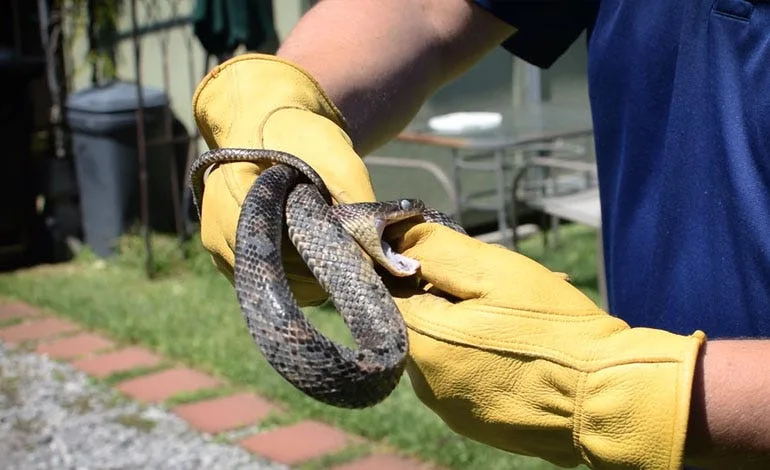
Despite preventive efforts, snake encounters can still occur, especially in areas close to natural habitats. When this happens, it is important to remain calm and avoid attempting to handle or provoke the snake. Most snake bites occur when individuals try to capture or kill them. Instead, maintaining a safe distance and contacting professionals trained in wildlife management is the safest course of action. Professional snake control services in Brampton use humane methods to safely remove and relocate snakes without harming them or the surrounding environment.
Understanding Local Snake Species and Behavior
Education is another powerful tool in reducing fear and promoting safety. Not all snakes are dangerous, and many species found in Ontario are non-venomous and beneficial to the ecosystem. Learning to identify common local snake species helps residents respond appropriately during encounters. For example, garter snakes, which are frequently found in gardens, are harmless and actually help control insect populations. Understanding these differences reduces unnecessary panic and promotes coexistence.
Seasonal Patterns and Increased Awareness
Seasonal awareness is also important. Snake activity tends to peak during spring and summer when temperatures rise. During these months, homeowners should increase inspections of outdoor spaces and be more vigilant when working in gardens, tall grass, or near wood piles. Wearing protective footwear and gloves while gardening can also reduce risk during accidental encounters. Awareness of seasonal behavior helps residents stay one step ahead of potential issues.
Community Role in Wildlife Management
Community involvement plays a significant role in effective snake control. When neighborhoods collectively maintain clean and organized environments, the chances of snake infestations decrease significantly. Sharing information about wildlife sightings, reporting unusual activity, and encouraging proper landscaping practices all contribute to safer residential areas. In cities like Brampton, where urban development continues to expand into natural habitats, this cooperative approach becomes even more important.
Professional Snake Removal and Modern Techniques
Technology has also improved modern wildlife management practices. Today, professionals use advanced tracking, humane trapping, and relocation techniques that ensure both human safety and animal welfare. These methods allow snakes to be safely relocated to suitable natural habitats away from residential zones. This balanced approach helps preserve biodiversity while addressing public safety concerns. Professional intervention is especially useful in repeated or high-risk sightings.
The Ecological Importance of Snakes
It is also worth noting that snakes play an essential role in maintaining ecological balance. They help control pest populations that could otherwise damage crops, spread disease, or invade homes. Eliminating snakes entirely would disrupt this balance and potentially lead to larger pest problems. Therefore, effective snake control focuses on management rather than eradication, ensuring that ecosystems remain stable and functional.
Protective Measures for Homes and Gardens
Homeowners can also take additional protective measures such as installing snake-proof fencing around vulnerable areas like gardens or poultry enclosures. These fences are designed with fine mesh and specific installation techniques that prevent snakes from entering while allowing other wildlife to move freely. While not always necessary for every property, they can be highly effective in high-risk areas where snake sightings are frequent.
Final Thoughts on Safe Coexistence
Ultimately, snake control in Brampton is about balance, awareness, and prevention. By maintaining clean environments, controlling rodent populations, and responding calmly to encounters, residents can significantly reduce risks. At the same time, respecting the ecological role of snakes ensures that nature continues to function as intended.
Living near natural spaces comes with both beauty and responsibility. Snakes are part of the ecosystem, and while their presence can be unsettling, proper knowledge and proactive measures make coexistence possible. With the right approach, communities in Brampton can enjoy safe, comfortable living spaces while preserving the natural wildlife that surrounds them.