
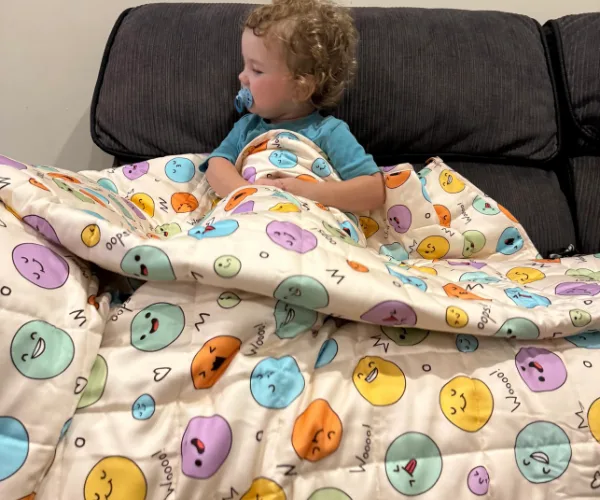
Bedtime can be one of the hardest parts of the day for families raising a child on the autism spectrum. While every child experiences sensory input differently, many parents notice recurring patterns, like restlessness, meltdowns, or a constant need for pressure and contact, that point to an underlying sensory need rather than simple defiance. Recognizing these signs early can help you find the right calming tools, including a well-designed autism weighted blanket, before bedtime turns into a nightly struggle.
Understanding Sensory Needs in Children with Autism
Many children with autism process sensory information differently from their peers. Sounds, textures, light, and the feeling of their own body in space can register as either overwhelming or under-stimulating. This is why a child might cover their ears at a noise others barely notice or seek out tight hugs and heavy blankets that most people would find unusual.
What Is Deep Pressure Stimulation?
Deep pressure stimulation refers to firm, evenly distributed pressure across the body, similar to a firm hug or swaddle. Occupational therapists often include it in a child's sensory diet because it's thought to have a grounding effect on the nervous system. A weighted blanket for kids is one of the simplest ways to deliver this input consistently, night after night, without a parent holding the pressure manually.
Common Signs Your Child May Benefit from an Autism Weighted Blanket
Not every child needs the same sensory support, but a few behaviours tend to show up again and again in children who respond well to weighted bedding.
Difficulty Settling at Bedtime
If your child takes an unusually long time to wind down, resists lying still, or seems physically unable to relax even when tired, their body may be searching for input it isn't getting. Some children pace, rock, or repeatedly get out of bed simply because lying still without pressure feels unanchored.
Seeking Deep Pressure or Tight Hugs
Children who crawl under cushions, ask to be squeezed tightly, wrap themselves in heavy blankets, or press their body against furniture are often telling you, in their own way, that they crave proprioceptive input. This is one of the clearest indicators that a weighted blanket could meet a genuine sensory need rather than just being a comfort preference.
Meltdowns or Sensory Overload
Frequent meltdowns, especially in the evening after a day of accumulated sensory input, can signal a nervous system struggling to self-regulate. A weighted blanket isn't a cure for meltdowns, but many parents and therapists use it as part of a broader calming routine to help a child transition out of an overstimulated state.
Restlessness or Frequent Waking at Night
Tossing, turning, kicking off covers, or waking multiple times a night can sometimes link to a nervous system staying alert rather than settling into deep sleep. Consistent, evenly distributed weight has been reported by many families to support longer, more settled stretches of sleep.
How a Weighted Blanket for Kids Can Help
Calming the Nervous System
The gentle, even pressure from a properly weighted blanket is thought to encourage the body's parasympathetic nervous system, the part responsible for "rest and digest" functions, to take over from a heightened, alert state. Many occupational therapists recommend weighted bedding as part of a wider sensory toolkit rather than a standalone fix.
Supporting a Consistent Bedtime Routine
Predictability matters enormously for children with autism. Using the same weighted blanket every night can become a reliable cue that signals "it's time to sleep," reinforcing the association between the blanket and rest over time.
Choosing the Right Sensory Tools for Your Child
Weighted Blankets, Like a Dinosaur Weighted Blanket, for Comfort and Fun
Sensory tools don't need to feel clinical. A playful design, such as a dinosaur weighted blanket, can make a child more willing to use their blanket consistently, since it feels like part of their room rather than a medical aid. Look for breathable, hypoallergenic fabric and a weight that's appropriate for your child's body size, generally guided by their current weight rather than their age alone.
Pairing with a Memory Foam Pillow for Full Support
A weighted blanket addresses pressure across the body, but head, neck, and spinal support matter too. A memory foam pillow shaped for a child's smaller frame can complement a weighted blanket by keeping their neck aligned through the night, rounding out a more complete sensory-friendly sleep setup.
When to Talk to a Professional
If your child shows several of these signs consistently, it's worth raising them with a pediatrician or occupational therapist, who can help confirm whether sensory-seeking behavior is at play and recommend an appropriate weight range for any sensory bedding you introduce. A professional opinion is especially useful if your child has other medical conditions, since weighted blankets aren't suitable for very young children or those with certain respiratory or mobility concerns.