Introduction
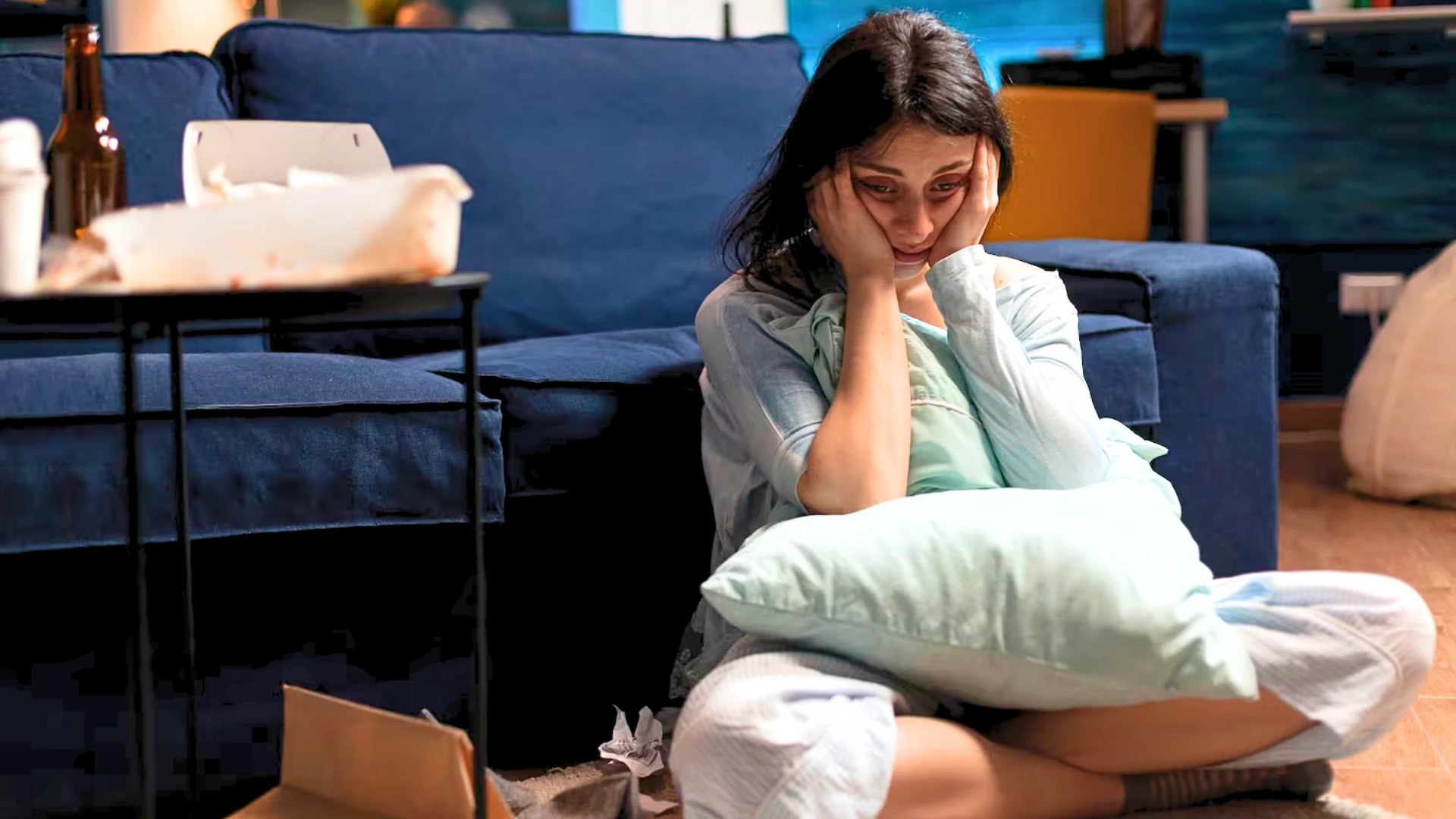
Anxiety affects millions of people worldwide, yet it often goes unrecognized in daily life. Unlike a broken bone or visible injury, signs of anxiety can be subtle and easily dismissed as stress or fatigue. Understanding these warning signals is crucial for maintaining your mental health and seeking appropriate support when needed.
Early recognition of anxiety symptoms can make a significant difference in managing this condition effectively. When you can identify the warning signs, you're better equipped to implement coping strategies, seek professional help, and prevent symptoms from escalating into more severe anxiety disorders.
Many people experience anxiety without realizing it, attributing their symptoms to other causes or simply accepting them as part of daily life. However, recognizing anxiety symptoms early allows for timely intervention and better outcomes. Whether you're experiencing occasional worry or persistent unease, understanding what to watch for can help you take control of your mental health.
Example: "Anxiety affects millions of people, but it can be tricky to recognize. Understanding the signs of anxiety in daily life is the first step to getting the help you need. In this article, we'll cover common anxiety symptoms and how to identify them early."
Physical Symptoms of Anxiety
List the common physical symptoms (e.g., increased heart rate, muscle tension, sweating).
Your body often signals anxiety before your mind fully recognizes it. Physical symptoms of anxiety can manifest in various ways, affecting different systems throughout your body. These symptoms occur because anxiety triggers your body's "fight or flight" response, releasing stress hormones that prepare you for perceived danger.
Common physical symptoms of anxiety include:
- Rapid or irregular heartbeat that feels like your heart is racing or pounding
- Muscle tension, particularly in the shoulders, neck, and jaw
- Excessive sweating, especially in the palms, underarms, or face
- Shortness of breath or feeling like you can't catch your breath
- Trembling or shaking hands
- Digestive issues such as nausea, stomach butterflies, or diarrhea
- Headaches or dizziness
- Fatigue despite adequate rest
- Sleep disturbances or insomnia
These physical symptoms of anxiety result from your body's natural stress response system. When your brain perceives a threat—real or imagined—it releases hormones like adrenaline and cortisol. These chemicals increase your heart rate, tense your muscles, and heighten your senses to help you respond to danger.
The challenge with physical symptoms of anxiety is that they can mimic other medical conditions, leading many people to seek medical attention for what they believe are heart problems, digestive issues, or other physical ailments. While it's always important to rule out medical causes, understanding that anxiety can manifest physically helps you recognize patterns and seek appropriate treatment.
Example: "Anxiety can manifest in physical ways, making it harder to ignore. Common signs of anxiety include a racing heart, tense muscles, or even sweating without reason. These symptoms happen when your body reacts to stress, and while they might seem alarming, they're often normal reactions to anxiety."
Behavioral Changes Linked to Anxiety
Explain how anxiety can cause restlessness, avoidance, procrastination, and nervous habits.
Anxiety symptoms often manifest through changes in behavior that may seem unrelated to mental health. These behavioral shifts represent your mind's attempt to cope with underlying anxiety and can significantly impact your daily functioning and relationships.
Common behavioral signs of anxiety include:
- Restlessness and inability to sit still or relax
- Avoidance of situations, places, or people that trigger anxiety
- Procrastination on important tasks or decisions
- Nervous habits such as nail biting, hair twisting, or leg bouncing
- Increased irritability or impatience with others
- Difficulty concentrating or completing tasks
- Seeking excessive reassurance from others
- Perfectionist tendencies or fear of making mistakes
- Changes in eating patterns—either overeating or loss of appetite
- Increased use of alcohol, caffeine, or other substances as coping mechanisms
These behavioral changes often develop gradually, making them easy to overlook or attribute to other factors. However, when these behaviors persist and interfere with your daily life, they may indicate underlying anxiety disorder symptoms that warrant attention and support.
Example: "When anxiety takes hold, it can lead to changes in behavior. People might become restless, procrastinate on important tasks, or avoid certain situations that cause stress. These behaviors are the brain's way of trying to cope with anxiety, but they can impact daily life."
Cognitive and Emotional Symptoms
Discuss constant worry, negative thinking, irritability, and feelings of being overwhelmed.
The mental and emotional aspects of anxiety can be just as debilitating as physical symptoms. Anxiety symptoms in the cognitive and emotional realm affect how you think, feel, and perceive the world around you, often creating a cycle that reinforces anxious thoughts and feelings.
Cognitive signs of anxiety include:
- Constant worry about future events or potential problems
- Racing thoughts that are difficult to control or slow down
- Difficulty concentrating or focusing on tasks
- Memory problems or feeling mentally "foggy"
- Catastrophic thinking or imagining worst-case scenarios
- Indecisiveness or second-guessing yourself frequently
- Intrusive thoughts that feel unwanted or disturbing
- Difficulty organizing thoughts or expressing ideas clearly
Emotional anxiety symptoms encompass:
- Persistent feelings of unease, dread, or impending doom
- Irritability or feeling on edge most of the time
- Feeling overwhelmed by daily responsibilities
- Mood swings or emotional instability
- Feeling detached from yourself or your surroundings
- Loss of interest in activities you once enjoyed
- Increased sensitivity to criticism or rejection
- Feeling like you're losing control
These cognitive and emotional symptoms of stress and anxiety can create a vicious cycle where anxious thoughts lead to more anxiety, making it increasingly difficult to break free from the pattern. Understanding this cycle is crucial for developing effective coping strategies.
Example: "Anxiety isn't just physical; it also affects how we think and feel. People with anxiety often experience constant worry, negative thoughts, and emotional ups and downs. This mental fog can make it hard to focus or make decisions."
Sleep and Fatigue Issues Related to Anxiety
Sleep disturbances are among the most common anxiety symptoms, creating a challenging cycle where anxiety interferes with sleep, and poor sleep worsens anxiety. This relationship between anxiety and sleep can significantly impact your overall health and quality of life.
Signs of anxiety affecting sleep include:
- Difficulty falling asleep despite feeling tired
- Waking up frequently throughout the night
- Early morning awakening with inability to return to sleep
- Restless or non-restorative sleep
- Vivid dreams or nightmares
- Racing thoughts when trying to sleep
- Physical restlessness in bed
- Feeling tired upon waking despite adequate sleep time
The fatigue associated with anxiety disorder symptoms extends beyond simple tiredness:
- Chronic exhaustion that doesn't improve with rest
- Feeling drained after social interactions or stressful situations
- Difficulty maintaining energy throughout the day
- Mental fatigue that affects concentration and decision-making
- Physical weakness or feeling like your body is heavy
- Needing more sleep than usual but still feeling tired
The side effects of stress and anxiety on sleep create a compounding problem. Poor sleep reduces your ability to cope with stress, making you more vulnerable to anxiety the following day. This cycle can persist for weeks or months, leading to chronic sleep deprivation and its associated health consequences.
Example: "Struggling to sleep is a common sign of anxiety. Whether it's difficulty falling asleep or waking up throughout the night, anxiety can wreak havoc on your rest. Poor sleep can then lead to daytime fatigue, making it even harder to cope with anxiety."
Social Withdrawal and Anxiety
Describe how anxiety leads to avoiding social situations or feeling fearful of judgment.
Social anxiety symptoms can significantly impact your relationships and social functioning. Many people with anxiety begin to withdraw from social situations, not necessarily because they don't want to be social, but because social interactions trigger uncomfortable anxiety symptoms.
Common social anxiety symptoms include:
- Avoiding social gatherings, parties, or group activities
- Feeling extremely self-conscious in social situations
- Fear of being judged, criticized, or embarrassed
- Difficulty speaking up in groups or meetings
- Physical symptoms like blushing, sweating, or trembling in social settings
- Overthinking social interactions after they occur
- Avoiding eye contact or speaking quietly
- Feeling like everyone is watching or evaluating you
- Declining invitations or making excuses to avoid social events
- Preferring online communication over face-to-face interactions
The impact of social anxiety symptoms extends beyond just social situations:
- Difficulty forming or maintaining relationships
- Challenges in work or academic settings that require interaction
- Missed opportunities for personal or professional growth
- Increased isolation and loneliness
- Development of depression alongside anxiety
- Reduced self-esteem and confidence
Social anxiety symptoms can be particularly challenging because humans are naturally social beings. When anxiety interferes with this basic need for connection, it can create additional stress and worsen overall mental health. Recognizing these patterns is crucial for seeking appropriate support and treatment.
Example: "Anxiety can cause people to withdraw from social situations, fearing judgment or feeling overwhelmed in social settings. If you find yourself avoiding gatherings, it may be a sign of anxiety affecting your social life."
Anxiety Symptoms in Women
Women may experience anxiety differently than men, with certain symptoms being more prevalent or presenting in unique ways. Understanding anxiety symptoms in women helps ensure proper recognition and treatment of anxiety disorders.
Anxiety symptoms in women often include:
- Hormonal fluctuations affecting anxiety levels during menstrual cycles, pregnancy, or menopause
- Perfectionist tendencies and excessive worry about meeting expectations
- People-pleasing behaviors that mask underlying anxiety
- Increased likelihood of experiencing multiple anxiety disorders simultaneously
- Physical symptoms like headaches, digestive issues, and muscle tension
- Tendency to internalize worry rather than expressing it outwardly
- Higher rates of health anxiety and worry about family members' wellbeing
- Sleep disturbances related to hormonal changes
- Emotional eating or changes in appetite during stressful periods
Health anxiety symptoms are particularly common in women:
- Excessive worry about personal health or family members' health
- Frequent checking for symptoms or signs of illness
- Avoiding medical appointments due to fear of bad news
- Catastrophic thinking about minor physical symptoms
- Seeking excessive reassurance about health concerns
- Researching symptoms online compulsively
The side effects of stress and anxiety may also manifest differently in women due to biological, social, and cultural factors. Women are more likely to seek help for anxiety, but they may also face unique challenges in balancing multiple roles and responsibilities that can exacerbate anxiety symptoms.
Panic Attacks vs. General Anxiety
While general anxiety and panic attacks are related, they present differently and require different approaches to management. Understanding signs of a panic attack versus general anxiety symptoms helps you respond appropriately to each situation.
Signs of a panic attack include:
- Sudden onset of intense fear or terror
- Heart palpitations or rapid heartbeat
- Chest pain or discomfort
- Shortness of breath or feeling of choking
- Dizziness or lightheadedness
- Nausea or stomach distress
- Sweating or chills
- Trembling or shaking
- Feeling of unreality or detachment
- Fear of losing control or "going crazy"
- Fear of dying
- Numbness or tingling sensations
Anxiety attack symptoms differ from panic attacks:
- Gradual build-up of symptoms rather than sudden onset
- Less intense but longer-lasting symptoms
- More related to specific triggers or stressors
- May include worry about future events
- Physical tension and restlessness
- Difficulty concentrating
- Irritability or mood changes
Signs of anxiety attack typically develop more slowly and may persist for hours or days, while signs of a panic attack reach peak intensity within minutes and typically subside within 20-30 minutes. Both experiences can be distressing, but understanding the difference helps in developing appropriate coping strategies.
When to Seek Help for Anxiety
Recognizing when anxiety symptoms require professional intervention is crucial for your mental health and overall wellbeing. While occasional anxiety is normal, persistent or severe symptoms that interfere with daily life warrant professional attention.
Consider seeking help when you experience:
- Anxiety symptoms that persist for several weeks or months
- Symptoms that interfere with work, school, or relationships
- Physical symptoms that cause significant distress or concern
- Avoidance behaviors that limit your daily activities
- Sleep disturbances that affect your functioning
- Substance use as a way to cope with anxiety
- Thoughts of self-harm or suicide
- Multiple anxiety disorder symptoms occurring together
- Inability to manage symptoms with self-care strategies
Professional treatment options include:
- Cognitive-behavioral therapy (CBT) to address thought patterns and behaviors
- Exposure therapy for specific phobias or social anxiety
- Medication management when appropriate
- Mindfulness-based interventions
- Support groups for people with similar experiences
- Lifestyle counseling for stress management
- Holistic approaches that address overall wellness
At Conscious Medicine, we understand that symptoms of stress and anxiety can significantly impact your quality of life. Our integrative approach addresses not just the symptoms but the root causes of anxiety, including nutritional deficiencies, hormonal imbalances, and lifestyle factors that may contribute to your symptoms.
Example: "Recognizing signs of anxiety in your daily life is the first step to managing it. If you're noticing these signs regularly, it's a good idea to seek support from a healthcare professional. Therapy, lifestyle changes, and sometimes medication can help manage anxiety effectively."
Conclusion
Anxiety can take many forms, but recognizing the signs of anxiety early can help you take action. From physical symptoms of anxiety like rapid heartbeat and muscle tension to behavioral changes like avoidance and restlessness, anxiety affects every aspect of your life. Anxiety symptoms in women may present differently due to hormonal and social factors, while social anxiety symptoms can lead to isolation and withdrawal from meaningful relationships.
Pay attention to your body, behaviors, and emotions. Signs of stress and anxiety often develop gradually, making them easy to dismiss or attribute to other factors. However, persistent anxiety disorder symptoms that interfere with your daily life deserve attention and care. Whether you're experiencing health anxiety symptoms or signs of a panic attack, understanding these patterns empowers you to seek appropriate support.
The side effects of stress and anxiety extend far beyond temporary discomfort. Chronic anxiety can affect your physical health, relationships, work performance, and overall quality of life. However, with proper recognition and treatment, anxiety is highly manageable. Many people find significant relief through therapy, lifestyle changes, medication, or a combination of approaches.
Example: "Anxiety can take many forms, but recognizing the signs of anxiety early can help you take action. Pay attention to your body, behaviors, and emotions. If you notice these signs regularly, don't hesitate to reach out for help. Managing anxiety is possible with the right support and strategies."