In contemporary aquaculture, the need for specialized and high-grade shrimp feed has grown significantly. A shrimp feed plant plays a vital function in meeting the nutritional requirements of shrimp while making sure affordable manufacturing for farmers. This short article explores the significance of shrimp feed plants, their manufacturing processes, equipment included, benefits for aquaculture services, and vital factors to consider when investing in a shrimp feed production center.
The Function of Shrimp Feed Plant Kingdom in Modern Aquaculture
As international fish and shellfish consumption climbs, shrimp farming has actually become one of the fastest-growing fields within the aquaculture industry. However, the success of shrimp farming mainly depends on the schedule of nutritionally balanced, steady, and water-friendly shrimp feed pellets. A shrimp feed plant is designed to produce high-quality feed that promotes healthy and balanced development, improves feed conversion proportions (FCR), and reduces ecological effect.
Conventional feed manufacturing techniques are no longer enough to satisfy the modern-day needs of shrimp ranches. Shrimp feed plants integrate innovative processing innovations to make pellets that are consistent in size, highly digestible, and water-stable, guaranteeing minimal feed waste and improved farming efficiency. Shrimp Feed Plant
Manufacturing Process of Shrimp Feed in a Modern Plant
The production of shrimp feed includes a thorough process to ensure that the end product fulfills dietary criteria and physical quality needs. A typical shrimp feed production line consists of numerous key phases:
1. Resources Receiving and Pre-Cleaning
The procedure starts with the option and shipment of basic materials such as fish meal, soybean meal, wheat flour, corn gluten dish, vitamins, and minerals. Before handling, these active ingredients are cleansed to remove pollutants, ensuring item top quality and tools security.
2. Grinding and Grating
To accomplish the great bit dimension needed for shrimp feed, basic materials are ground making use of hammer mills or ultra-fine mills. Appropriate fragment size distribution is essential for pellet development and shrimp digestibility.
3. Batching and Blending
Precision batching systems consider each ingredient according to the feed formula. The products are after that extensively combined to ensure a consistent circulation of nutrients in every pellet. Uniform mixing is crucial for constant feed top quality.
4. Conditioning and Extrusion
The combined materials are conditioned with vapor to improve binding buildings and gelatinization of starches. After that, an extruder or pellet mill shapes the feed right into pellets. Extrusion is specifically essential in shrimp feed manufacturing as it enhances water security and pellet toughness.
5. Drying out and Cooling
After extrusion, the pellets have high wetness web content and are gone through a dryer to minimize dampness degrees, stopping mold and mildew development during storage space. As soon as dried, the pellets are cooled down to space temperature level to keep their framework.
6. Finishing and Oil Enhancement
To improve palatability and supply crucial lipids, the pellets are coated with fish oil or other dietary oils. This action likewise boosts the feed's power material and total dietary account.
7. Sieving and Packaging
Finally, the pellets are sieved to get rid of fines and make certain uniform pellet dimension. The completed feed is then crammed in moisture-proof bags, all set for distribution. https://richipelletizer.com/prawn-feed-making-machine/
Essential Tools in a Shrimp Feed Plant
A completely functional shrimp feed plant consists of specialized machinery created for precision and performance. Secret devices consists of:
1 、 Hammer Mill/Ultra-fine Grinder: For crushing basic materials to the wanted fragment dimension.
2 、 Batching System: Automated weighing system for accurate active ingredient proportions.
3 、 Ribbon or Paddle Mixer: Makes sure uniform blending of active ingredients.
4 、 Conditioner: Prepares the product for extrusion by including vapor.
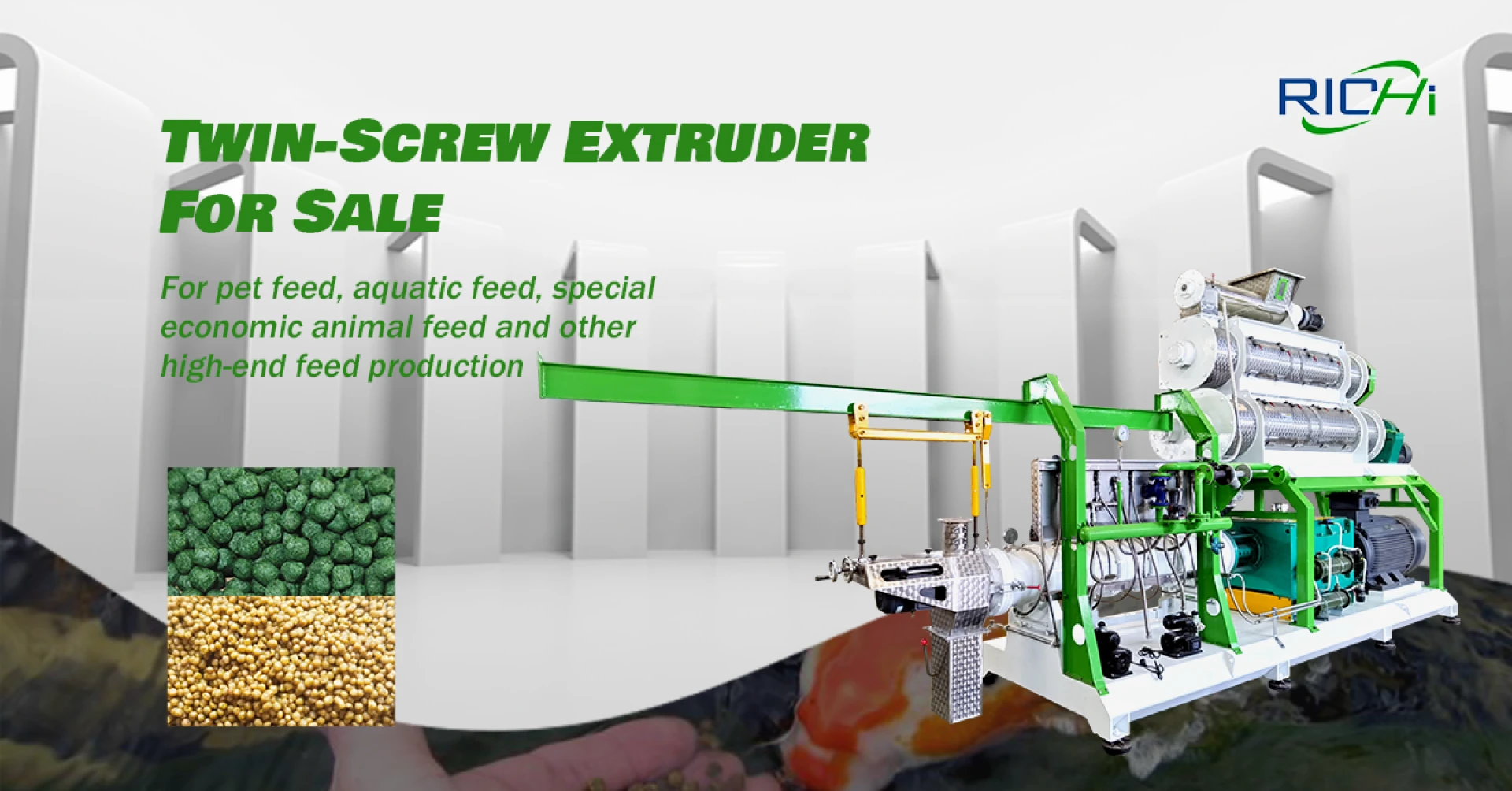
5 、 Shrimp Feed Pellet Mill/Extruder: Forms feed into stable pellets.
6 、 Rotary Dryer and Counterflow Colder: Controls moisture and temperature level.
7 、 Oil Finish Maker: Uses nutritional oils evenly.
8 、 Vibrating Screener: Divides fines and guarantees pellet consistency.
9 、 Automatic Packing Machine: For reliable bagging and sealing. Article
Advantages of Developing a Shrimp Feed Plant
Buying a shrimp feed plant brings a number of strategic advantages to aquaculture enterprises:
1. Customized Feed Solutions
Having a feed plant permits manufacturers to establish tailored feed dishes tailored to specific shrimp varieties, development stages, and farming settings. This flexibility leads to boosted feed efficiency and healthier shrimp.
2. Price Reduction and Supply Chain Control
Making feed in-house lowers dependence on external distributors, supports feed costs, and boosts earnings margins. It also ensures a stable supply of feed, vital throughout top farming periods.
3. Boosted Feed High Quality and Brand Name Value
A dedicated shrimp feed plant allows strict quality assurance, making certain feed consistency and safety and security. Making high-grade feed improves brand name reputation and competition in the aquaculture market.
4. Ecological Benefits
Modern feed plants are developed to generate water-stable pellets that reduce feed waste and reduce water air pollution. This contributes to much more sustainable shrimp farming methods and aligns with ecological policies. Pelletizer
Elements to Think About When Establishing a Shrimp Feed Plant
Constructing a shrimp feed plant is a significant investment. For that reason, careful preparation is vital. Right here are crucial factors to think about:
1. Production Capability
Establish the required manufacturing capability based on your farming scale and market demand. Plants can range from small procedures creating a few bunches each day to large industrial configurations surpassing 20 tons per hour.
2. Feed Formulation Knowledge
Technical proficiency is important for developing balanced and effective shrimp feed formulas. Collaborating with nutritional experts and tank farming specialists guarantees your feed satisfies market standards.
3. Equipment Option and Plant Design
Choosing dependable equipment with high automation levels lowers labor costs and makes certain constant production. A well-designed plant layout maximizes process and decreases operational traffic jams.
4. Regulatory Conformity
Ensure your center satisfies local and global feed production regulations, consisting of hygiene requirements, security methods, and environmental demands.
5. After-Sales Assistance and Maintenance
Partner with equipment manufacturers that offer comprehensive after-sales solutions, consisting of installation support, operator training, and maintenance support. Reputable technical support minimizes downtime and prolongs equipment life-span. Fish pellet machine malaysia
Final thought: Purchasing a Shrimp Feed Plant for Future Development
With the rapid growth of the international tank farming sector, the demand for top quality shrimp feed will certainly continue to climb. Developing a shrimp feed plant for high-efficiency tank farming production not just ensures a stable supply of costs feed however likewise enhances the success and sustainability of shrimp farming procedures.
By investing in advanced feed handling innovation and adhering to rigorous top quality requirements, tank farming businesses can get an one-upmanship on the market while contributing to liable and eco-friendly farming methods. Whether for self-use or commercial supply, a shrimp feed plant is a strategic asset that opens new growth possibilities in the aquaculture industry.