The Indian corporate landscape is actively diversifying its talent pool. While engineering and technical graduates have historically dominated the recruitment drives of multinational corporations, there is a massive, growing demand for professionals who possess strong cognitive flexibility, cultural awareness, and advanced communication skills. Companies are realizing that while algorithms can process data, they need human intuition to manage teams, craft brand narratives, and navigate complex public relations. This shift has revitalized the Bachelor of Arts (BA) degree, transforming it from a traditional academic pursuit into a highly strategic career asset. However, a generic humanities degree is no longer enough to stand out. Today's students must strategically select their academic focus through accredited digital platforms and master the modern evaluation metrics used by universities to ensure their resumes are perfectly formatted for the corporate world.
The Evolution of the Arts Degree
In the past, pursuing a Bachelor of Arts often meant following a rigid, generalized syllabus that provided a broad overview of history, political science, and literature. While intellectually stimulating, this generalized approach frequently left graduates struggling to articulate their specific value to corporate recruiters. The advent of modern distance education has completely revolutionized this dynamic. Today, premium digital universities offer a highly modular approach, allowing students to tailor their education directly to their career aspirations.
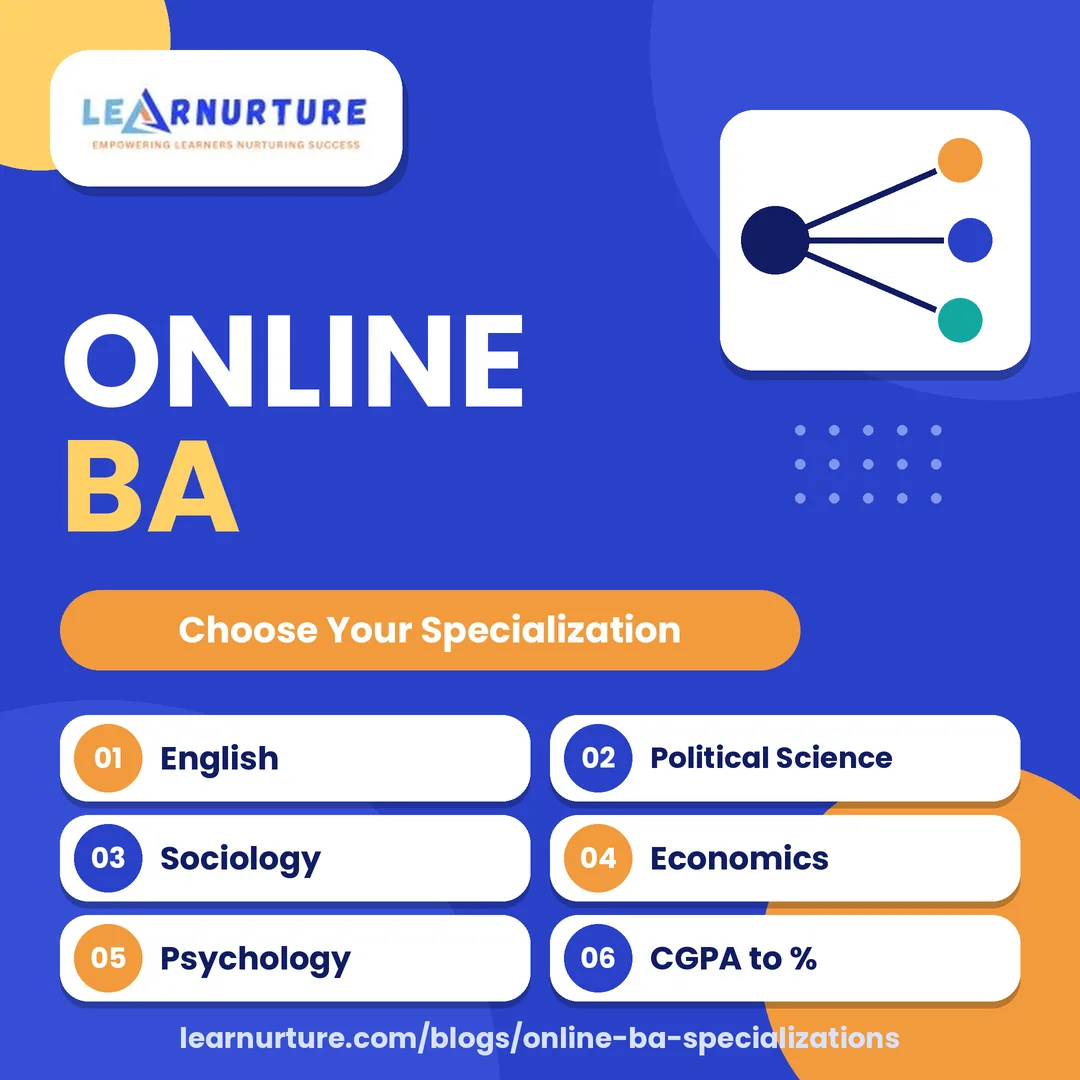
When a student decides to pursue an arts degree today, selecting a targeted online BA specialization is the most critical decision they will make. Rather than skimming the surface of multiple disciplines, students can dive deeply into a single, high-impact area. For example, a student aiming for a career in corporate human resources might focus on organizational psychology and sociology, while someone targeting the digital media sector might choose a heavy concentration in journalism and English literature. This targeted approach transforms a standard arts degree into a specialized professional credential.
Selecting Your Academic Path
To fully leverage the flexibility of distance learning, prospective candidates must thoroughly explore the diverse online BA courses offered by accredited institutions. High-quality digital programs are designed to bridge the gap between classical humanities and modern industry requirements. The coursework often incorporates contemporary case studies, digital research methodologies, and collaborative virtual projects that mimic real-world corporate environments.
By strategically selecting electives that align with current hiring trends, students actively build a robust intellectual portfolio. Because these digital lectures are delivered asynchronously, working professionals can upskill without sacrificing their daily income. This concurrent application of knowledge allows students to bring fresh, analytical perspectives to their current workplaces, proving their enhanced value long before graduation day.
Understanding Modern University Grading
As students progress through their specialized arts modules, they must adapt to the evaluation frameworks used by modern academic institutions across India. To align with international educational standards, the vast majority of University Grants Commission (UGC) approved digital universities have adopted the Choice Based Credit System (CBCS). Under this system, the outdated practice of awarding a single annual percentage has been entirely replaced.
Instead, a student’s performance across multiple semesters and specialized subjects is continuously tracked and aggregated. At the conclusion of the degree, a student’s final academic standing is officially represented by their Cumulative Grade Point Average. This comprehensive metric offers a fair, balanced view of a candidate's overall consistency, dedication, and intellectual capability throughout the program. However, when applying for highly competitive corporate roles, candidates frequently encounter legacy Applicant Tracking Systems (ATS) that still require traditional percentage scores. To avoid automated disqualification, humanities graduates must use precise digital tools to convert this cumulative metric into a flawlessly formatted percentage, ensuring their specialized academic capabilities are instantly recognized by corporate recruiters.