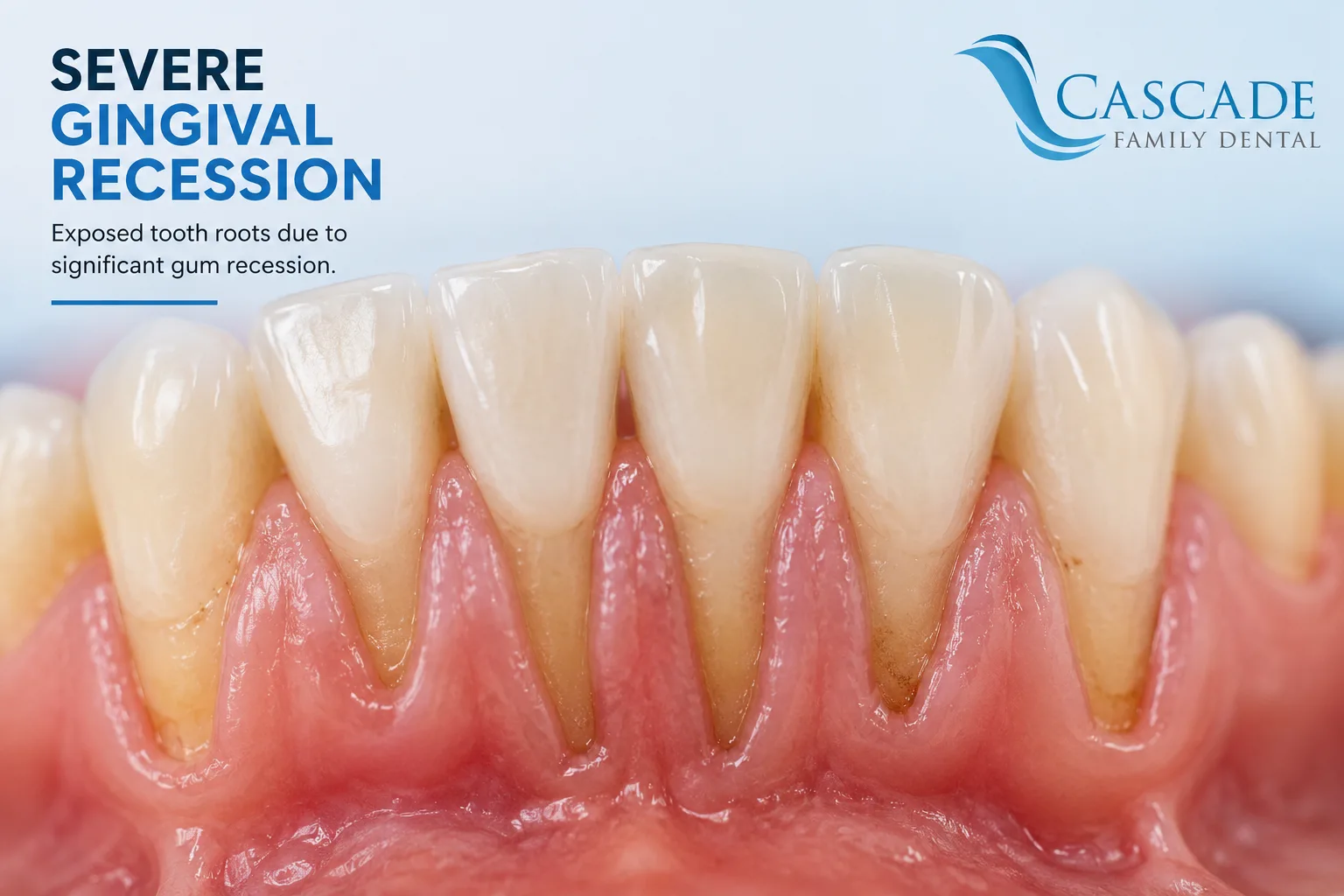
Healthy gums play an important role in protecting teeth and supporting overall oral health. When gum tissue gradually pulls away from the teeth, it can expose the tooth roots and create a condition known as gingival recession. In mild cases, recession may cause little noticeable discomfort, but severe gingival recession can significantly affect the appearance, sensitivity, and health of the teeth.
Understanding what causes gum recession, recognizing the warning signs, and seeking professional dental care can help prevent the condition from progressing. With the right approach, damaged gum tissue can often be managed while protecting the teeth from further complications.
What Causes Severe Gingival Recession?
Gingival recession can develop gradually, and several factors may contribute to the loss of gum tissue. One of the most common causes is gum disease. Bacterial plaque can accumulate around the gumline, causing inflammation and infection. As gum disease progresses, the tissues supporting the teeth can deteriorate, allowing the gums to recede.
Brushing technique can also affect gum health. Applying excessive pressure while brushing or using a hard-bristled toothbrush may gradually irritate and wear down the gum tissue. Although keeping teeth clean is essential, aggressive brushing can contribute to gumline damage over time.
Other factors can increase the risk of recession. Naturally thin gum tissue may be more vulnerable to recession, while teeth that are positioned outside the normal dental arch can have less protective tissue around them. Dental treatments, poorly fitting restorations, and certain oral habits may also contribute to gum tissue damage.
Age can play a role as well. As people get older, cumulative exposure to plaque, gum disease, brushing pressure, and other factors can increase the likelihood of gum recession. However, significant recession should not simply be considered a normal part of ageing.
Smoking and tobacco use can negatively affect gum health and increase the risk of periodontal problems. Tobacco can interfere with the body's ability to respond to infection and heal damaged tissues. Maintaining good oral hygiene and avoiding tobacco can therefore be important steps in protecting the gumline.
In some cases, trauma or habits such as biting the lips or using oral jewellery may place repeated pressure on the gums. Identifying the underlying cause is essential because treatment is more effective when the factor contributing to recession is also addressed.
Signs and Problems Associated With Severe Gingival Recession
One of the most noticeable signs of severe gingival recession is the appearance of longer-looking teeth. As gum tissue moves away from the crown, more of the tooth becomes visible. The exposed root may also appear darker or slightly different in colour from the rest of the tooth because it is not covered by enamel.
Tooth sensitivity is another common concern. Gum tissue normally protects the roots of teeth, which contain tiny channels that can respond to temperature and other stimuli. When these surfaces become exposed, patients may experience discomfort when consuming hot, cold, sweet, or acidic foods and drinks.
Severe recession can also make cleaning around affected teeth more challenging. Exposed root surfaces are softer than enamel and may be more susceptible to wear and decay. If plaque continues to accumulate around the affected area, the surrounding gum tissue may become increasingly inflamed.
Some people may experience tenderness, redness, or bleeding around the gumline. Persistent bleeding should not be ignored because it may indicate active gum inflammation or periodontal disease.
In more advanced cases, recession can be associated with loss of supporting bone and tissue around a tooth. This can affect the stability of the tooth and may increase the risk of tooth mobility. The severity of the condition depends on how much gum and supporting tissue has been lost and whether an underlying periodontal problem is present.
The cosmetic impact can also be significant. Uneven gumlines and visibly exposed tooth roots may change the appearance of a smile. For individuals concerned about their smile, treating the underlying gum problem may provide both health and aesthetic benefits.
A dental professional can assess the extent of recession by examining the gums, measuring the depth around the teeth, checking for inflammation, and evaluating the condition of the supporting structures. Dental X-rays may also be recommended when bone loss or other concerns need to be evaluated.
Treatment and Prevention for Severe Gingival Recession
Treatment for severe gingival recession depends on its cause, severity, and the condition of the surrounding gums and teeth. The first step is usually to identify and control any contributing factors.
If gum disease is present, professional periodontal treatment may be recommended to remove plaque and calculus from areas that are difficult to clean. Improving daily oral hygiene is also important. A dental professional can demonstrate gentle brushing techniques and recommend an appropriate toothbrush and cleaning aids.
Patients with sensitive exposed roots may benefit from products designed to reduce tooth sensitivity. Fluoride treatments can also help strengthen vulnerable tooth surfaces and reduce the risk of root decay.
When recession is more advanced, periodontal procedures may be considered. Gum grafting is one treatment option that can cover exposed root surfaces and increase the amount of protective gum tissue in certain situations. During this type of procedure, tissue is placed over the affected area to help protect the root and improve the gumline.
Not every case requires surgical treatment. The appropriate approach depends on factors such as the amount of recession, tissue thickness, periodontal health, tooth position, and the patient's individual needs. A dental professional can determine which treatment is most appropriate following an examination.
Prevention is equally important. Brushing twice daily with gentle pressure and using a soft-bristled toothbrush can help reduce unnecessary irritation. Cleaning between the teeth every day through flossing or other recommended interdental cleaning methods can help control plaque around areas that brushing cannot reach.
Regular dental examinations are also valuable because gum problems can develop before noticeable symptoms appear. Professional cleanings can help control plaque and calculus buildup, while routine assessments allow changes in gum health to be identified early.
Avoiding tobacco, maintaining a balanced diet, and following recommended dental care can further support healthy gums. Patients who have already experienced recession should pay particular attention to any changes in sensitivity, bleeding, gum position, or tooth stability.
Final Thoughts
Severe gingival recession can expose vulnerable tooth roots, increase sensitivity, affect the appearance of the smile, and potentially contribute to further oral health problems if left untreated. Early recognition and professional assessment are important for identifying the cause and determining an appropriate treatment plan.
For people in Merritt, BC, Cascade Family Dental is one local dental practice that provides dental care and can help patients understand their gum health and available treatment options. Maintaining consistent oral hygiene and attending regular dental visits can go a long way toward protecting the gums and preserving a healthy smile.