
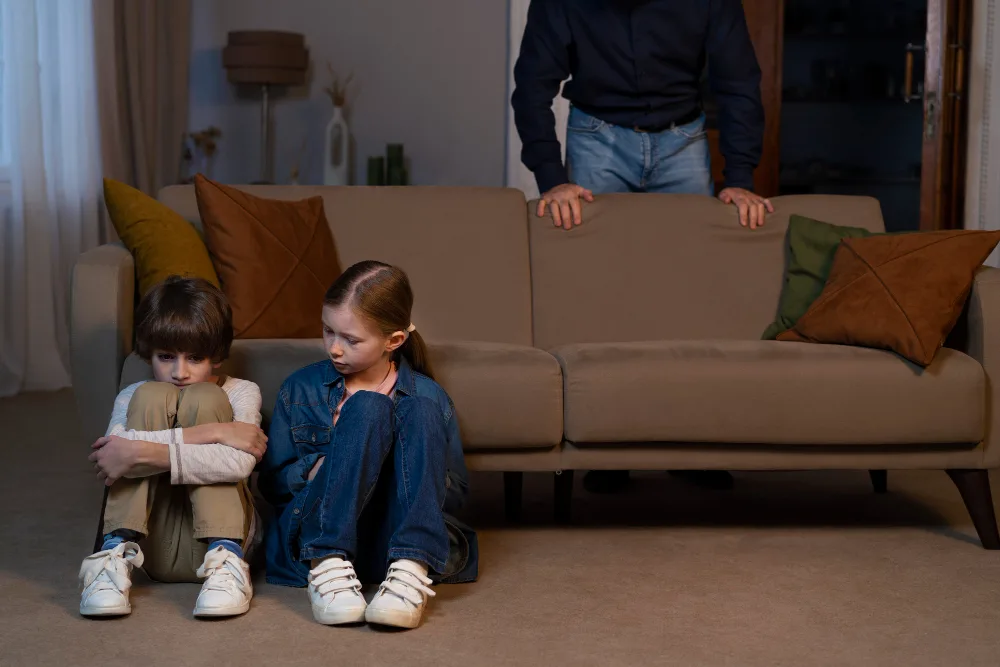
A little fuss at school drop-off is normal. But when a child becomes deeply distressed every single time they're apart from a parent — and it doesn't improve with time — it may be separation anxiety, not just a clingy phase. Here's what every parent should know.
Normal Separation Worry vs. Separation Anxiety Disorder
Normal WorrySeparation Anxiety DisorderSettles within minutesDistress continues for a long timeImproves with familiarityStays intense even in familiar settingsMild tears or protestPanic, physical symptoms, or refusalDoesn't disrupt daily routineInterferes with school, sleep, friendshipsCommon in toddlers, fades with agePersists beyond early childhoodKey Warning Signs
- Extreme distress during separation, beyond what's typical for their age
- Ongoing worry that harm will come to a parent or to themselves
- Refusing school, sleepovers, or outings without a parent
- Difficulty sleeping alone, or separation-themed nightmares
- Physical complaints — stomach aches, headaches — around separation times
- Constantly following a parent around, even within the house
- Clinginess that doesn't ease with reassurance
Why Kids Don't Say It Directly
Children usually can't explain anxiety in words. Instead, it shows up as:
- Crying or tantrums at drop-off
- Physical complaints with no medical cause
- Refusing to participate in normal activities
- Repeated requests to call or check on a parent
Recognizing these as signs of fear — not misbehavior — changes how parents respond.
A Step-by-Step Approach for Parents
Step 1: Keep goodbyes short and calm.
Long, emotional goodbyes often increase anxiety rather than ease it.
Step 2: Build consistent routines.
Predictability helps children feel more secure about what happens next.
Step 3: Practice gradual separation.
Start small — short periods apart — and build up slowly as confidence grows.
Step 4: Validate, don't dismiss.
Say "I understand this feels hard" instead of "there's nothing to worry about."
Step 5: Avoid accidentally reinforcing fear.
Staying longer to comfort a crying child can unintentionally strengthen the anxiety pattern.
Step 6: Involve a professional when needed.
When anxiety is persistent and affecting daily functioning, child psychiatry support can help children build age-appropriate coping skills.
Red Flags That Need Attention
Seek professional help if your child:
- Shows no improvement after several weeks
- Refuses school or regular activities
- Has physical symptoms tied to separation
- Struggles significantly with sleeping alone
- Shows worsening anxiety over time, not easing
Common Myths
Myth: "They'll grow out of it without help."
Fact: Left unaddressed, separation anxiety can persist and affect school and social life.
Myth: "Giving in makes them feel better long-term."
Fact: Avoiding separations can reinforce anxiety rather than resolve it.
Myth: "Only very young children experience this."
Fact: Separation anxiety disorder can affect school-age children too, not just toddlers.
Bottom Line
If your child's separation anxiety is persistent, intense, and affecting daily life, don't wait it out. Reaching out to the best psychiatrist in Jaipur early can help your child build genuine confidence and security — and ease the daily stress for your whole family.