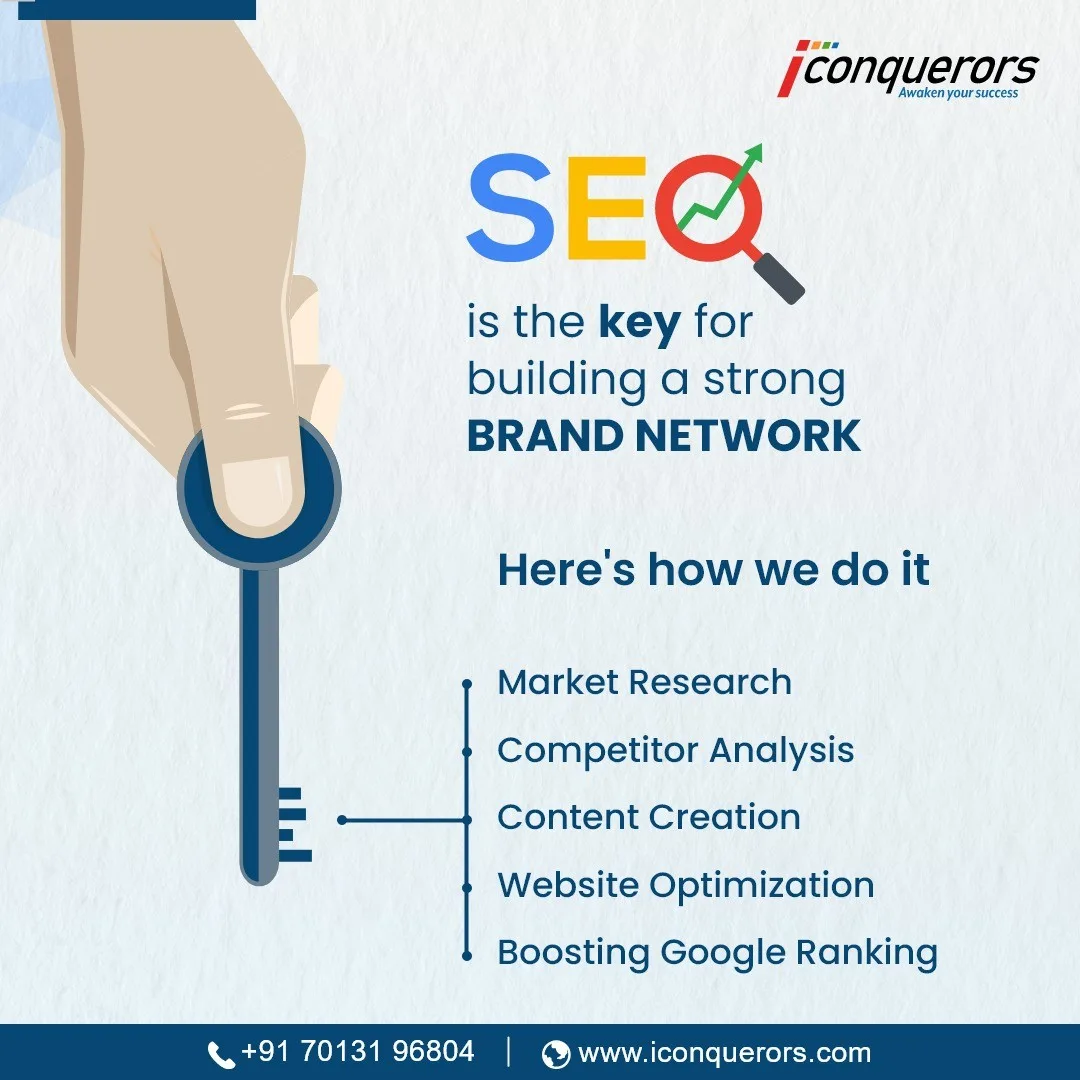
The UAE is one of the most competitive digital markets in the region. Customers search in English and Arabic, compare brands on their phones, and expect answers in seconds. If your business does not show up on the first page of Google, a competitor down the road probably does.
That is why more companies are working with an SEO agency in Dubai to turn their websites into steady sources of leads and sales. In this guide, we walk through the SEO strategies that matter most for UAE businesses, and what to look for when you choose a partner.
Why SEO Matters for UAE Businesses
Paid ads stop delivering the moment your budget runs out. SEO builds an asset that keeps working. When your pages rank for the searches your customers actually make, you attract visitors who are already looking for what you sell.
For businesses in Dubai, Abu Dhabi, Sharjah and the other emirates, SEO also builds credibility. People tend to trust brands that appear consistently in organic results, with clear and helpful content behind them.
1. Start With a Full SEO Audit
Before you change anything, find out where you stand. A proper audit looks at technical health, on-page content, keyword positions, backlinks and how you compare with competitors. It shows you which problems are holding rankings back and which quick wins are available.
A good audit does not stop at the homepage. Hidden issues often sit deep in the site: duplicate pages, broken links, missing metadata, slow templates and pages that search engines cannot crawl.
2. Build Your Keyword Strategy Around Search Intent
Keyword research is the foundation of every SEO campaign. The goal is not to chase the biggest search volumes but to find the terms your ideal customers use when they are ready to act.
- Informational searches (for example, "how does SEO work") suit blog posts and guides.
- Commercial searches (for example, "SEO agency in Dubai") suit service pages and comparison content.
- Transactional searches suit product pages and landing pages with clear calls to action.
Map each keyword to a page that matches the intent behind it. Targeting a service keyword with a blog post, or the reverse, is a common reason pages fail to rank.
3. Optimise for English and Arabic Audiences
The UAE is multilingual, and your SEO should reflect that. Arabic search behaviour is not simply a translation of English search behaviour, so keyword research needs to be done in each language.
For multilingual sites, make sure you:
- Use hreflang tags so search engines show the right language version to the right user.
- Support right-to-left layouts properly in your design.
- Write native-quality Arabic content rather than machine translations.
- Keep URL structures clean and consistent across languages.
4. Win Local Search in Dubai and the Emirates
Many UAE searches have local intent: "near me", a neighbourhood name, or a city. Local SEO helps you appear in the map pack and in location-based results.
- Fully complete your Google Business Profile with accurate categories, hours, photos and services.
- Keep your business name, address and phone number consistent across directories and citations.
- Encourage genuine customer reviews and respond to them.
- Create location-specific pages when you serve more than one area.
5. Fix the Technical Foundations
Technical SEO makes sure search engines can find, crawl and understand your site. It also affects how users experience it. Priorities include:
- Site speed: compress images, minimise heavy scripts and use caching.
- Mobile usability: most UAE users browse on their phones, so your mobile experience should be flawless.
- Crawlability and indexation: clean XML sitemaps, sensible robots rules and no broken internal links.
- Schema markup: structured data helps search engines understand your business, services, reviews and FAQs.
6. Create Content That Earns Trust
Search engines reward content that is useful, accurate and written with real expertise. Instead of publishing generic articles to hit a posting schedule, focus on pages that answer your customers' real questions.
Good content for UAE businesses often includes service pages with clear detail, industry guides, case studies, FAQs, and comparison pages. Update older pages regularly, and link related content together so visitors and crawlers can move through your site easily.
7. Build Authority With Ethical Link Building
Backlinks from relevant, reputable websites remain a strong signal of trust. The key word is relevant. A handful of quality links from respected local publications, industry directories and partner sites is worth far more than hundreds of low-quality ones.
Useful approaches include digital PR, guest contributions, local business citations and creating content others genuinely want to reference. Avoid shortcuts such as paid link schemes, which can lead to penalties.
8. Give E-commerce Sites Extra Attention
Online stores face particular SEO challenges, including thin product descriptions, duplicate content from filters and variants, and large catalogues that waste crawl budget. Optimise category pages, write unique product copy, add product schema, and make sure your platform, whether Shopify, WooCommerce or Magento, is configured for search.
9. Prepare for AI-Driven Search
Search is changing. AI-generated answers now appear alongside traditional results, and users increasingly get information without clicking. Businesses that structure their content clearly, answer questions directly and demonstrate expertise are more likely to be cited.
This is where Answer Engine Optimisation (AEO) and Generative Engine Optimisation (GEO) come in. They build on strong SEO fundamentals, so investing in quality content and technical health now prepares you for both.
10. Track, Measure and Improve
SEO is not a one-time project. Search algorithms change, competitors adapt and customer behaviour shifts. Use Google Analytics and Google Search Console, along with tools such as SEMrush and Ahrefs, to monitor rankings, organic traffic, engagement and conversions. Review the numbers regularly and adjust your strategy based on what the data shows.
How Long Does SEO Take to Work?
SEO is a long-term investment. Early improvements can appear sooner, but most businesses start to see meaningful results between three and six months, with stronger growth typically arriving between six and twelve months. Consistency matters more than any single tactic.
How to Choose the Right SEO Agency in Dubai
With so many providers to choose from, a few questions can help you separate real partners from empty promises:
- Do they start with an audit and a clear strategy, or do they jump straight into generic tactics?
- Is their approach transparent? You should understand the deliverables, timelines and costs.
- Do they understand the local market, including bilingual search and regional competition?
- Can they show real results, such as case studies and client testimonials?
- Do they report clearly? Look for regular reporting tied to traffic, leads and revenue, not just rankings.
- Is the work done by an in-house team that stays involved after launch?
An experienced SEO agency in Dubai should act as an extension of your team, aligning every campaign with your business goals rather than simply promising rankings.
Work With an SEO Agency in Dubai That Focuses on Results
GL Infotech brings more than 20 years of digital experience to SEO, covering technical audits, on-page optimisation, keyword research, link building, content optimisation, local SEO, e-commerce SEO and detailed analytics reporting. Every strategy is tailored to your industry, your audience and your goals.
Ready to grow your organic visibility? Explore our SEO services in Dubai or contact our team for a free consultation.
Frequently Asked Questions
What does an SEO agency in Dubai do? An SEO agency improves your website's visibility in search engines through technical audits, keyword research, on-page optimisation, link building, content and ongoing reporting, with the aim of increasing organic traffic, leads and revenue.
What are the main types of SEO? The four main types are on-page SEO, off-page SEO, technical SEO and local SEO. Together they help your site become more visible and attract the right visitors.
Is SEO still relevant with AI search? Yes. SEO continues to evolve as search engines update their algorithms and AI-powered search grows. Strong SEO fundamentals also support visibility in AI-generated answers.
How often should SEO be done? SEO is ongoing. Algorithms, competitors and user searches keep changing, so regular optimisation and monitoring are essential for lasting results.