
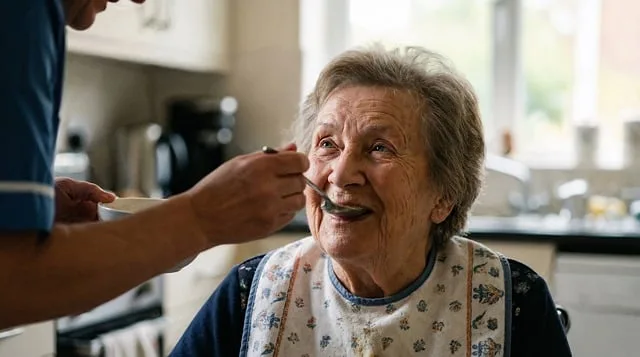
For many older adults, home is where they feel most comfortable and independent. Familiar surroundings, established routines, neighbors, personal belongings, and years of memories can make staying at home especially meaningful. As daily activities become more difficult, however, seniors and their families may need additional support to make aging at home practical. Senior home care in Northern Colorado can provide that assistance while helping older adults maintain dignity and independence.
Home care is not limited to one type of situation. Some seniors need occasional help with household tasks or companionship, while others require hands-on assistance with bathing, dressing, mobility, or personal routines. Care can also support adults recovering from surgery, people living with disabilities, and seniors who need additional help after a hospital stay. The right approach depends on the individual's needs rather than simply their age.
Supporting Seniors Throughout Northern Colorado
Northern Colorado includes a wide range of communities, from Fort Collins, Loveland, and Windsor to Greeley, Timnath, Wellington, Berthoud, Johnstown, and surrounding areas. Seniors may live in established neighborhoods, rural communities, retirement residences, or assisted living facilities.
In-home care can be provided wherever an individual calls home. For some families, that means bringing a caregiver into a private residence. Others may need additional one-on-one assistance while a loved one lives in an assisted living community. The goal is to provide support in the environment where the senior already lives.
This can be especially helpful for families spread across Northern Colorado or living farther away. When adult children cannot visit every day, dependable in-home support can help bridge the distance.
Companionship and Social Connection
Growing older can sometimes mean spending more time alone, particularly when driving becomes difficult or friends and family members have busy schedules. Loneliness can affect a senior's overall quality of life even when they remain physically capable of living independently.
Companion care provides regular social interaction and a dependable presence. A caregiver can talk with a senior, participate in activities, accompany them on appropriate outings, or simply spend time together at home.
Companionship can also be incorporated into other types of home care. A caregiver helping with meals or household activities can provide conversation and encouragement at the same time. This creates a more personal relationship rather than making care feel like a series of isolated tasks.
Help With Bathing, Dressing, and Grooming
Personal routines that once required little thought can become challenging as mobility, strength, or flexibility changes. Bathing, dressing, grooming, and other personal activities may eventually require assistance.
Senior home care can provide hands-on support with these daily activities while respecting the individual's privacy and dignity. Caregivers can assist where necessary while encouraging seniors to remain involved in their own routines as much as they comfortably can.
Consistency can also make personal care easier to accept. When seniors become familiar with their caregivers and know what to expect, receiving assistance with intimate daily activities can feel more comfortable.
Meal Preparation and Light Housekeeping
Household responsibilities can become physically demanding over time. Carrying groceries, standing in the kitchen, doing laundry, and maintaining frequently used areas of the home may require more energy than a senior has available.
Caregivers can assist with meal preparation, light housekeeping, laundry, grocery shopping, and other appropriate household activities. This can help keep the home comfortable while reducing the physical strain placed on the senior.
Meal preparation is particularly useful when cooking has become difficult. Having assistance with meals can allow an older adult to maintain a regular routine without needing to handle every part of shopping, preparation, and cleanup independently.
Medication Reminders and Transportation
Older adults may also need assistance keeping up with the practical details of everyday life. Medication schedules, appointments, errands, and transportation can become harder to manage when a senior is no longer driving or has difficulty organizing multiple responsibilities.
Caregivers can provide medication reminders according to an established care plan and help seniors stay organized around their daily routines. Transportation assistance may also make it easier to attend appointments, complete errands, and remain connected with the community.
These services can be particularly valuable for family members who cannot provide transportation or visit frequently. Having dependable assistance available can help seniors maintain routines that might otherwise become increasingly difficult.
Hospital-to-Home Support
A hospital discharge can be a stressful transition for both seniors and their families. Returning home may involve new medications, follow-up appointments, rehabilitation exercises, dietary changes, and temporary mobility limitations.
Transition care can provide practical assistance during this period. Caregivers can help with everyday routines, medication reminders, transportation, meals, and mobility while the individual works toward greater independence.
Northern Colorado families may also have to coordinate care across a considerable geographic area. A senior could be returning home after treatment at a hospital in Fort Collins or Loveland while adult children live elsewhere along the Front Range or outside the region. Having support already arranged can make the transition more manageable.
Care for Seniors With Dementia
Memory loss can create additional challenges for seniors who want to remain at home. Dementia and Alzheimer's disease can affect communication, routines, judgment, and the ability to complete familiar activities independently.
In-home dementia care can provide a consistent and familiar presence. Caregivers can assist with daily routines, provide companionship, and create a calm environment that supports the individual's abilities.
Familiarity matters when someone is experiencing cognitive changes. Remaining in a home filled with recognizable surroundings and personal belongings may provide a sense of comfort. Care should focus on supporting the person's remaining abilities while maintaining dignity as needs change.
End-of-Life Support at Home
Some families prefer to keep a loved one at home during the final stage of life. In-home end-of-life support can provide companionship and assistance with everyday personal and household needs while working alongside hospice and other healthcare professionals.
This type of care is centered on comfort, dignity, and emotional support. Family members can remain close to their loved one while receiving help with some of the practical responsibilities that accompany end-of-life caregiving.
For families, having additional support can make it possible to focus more of their time and attention on meaningful moments together.
Support for Family Caregivers
Family members often play an important role in helping older adults remain at home. However, caregiving can become difficult to balance with employment, children, household responsibilities, and personal needs.
Respite care allows family caregivers to step away temporarily while their loved one continues receiving appropriate assistance. A caregiver can provide companionship, personal care, meals, transportation, or household support during the family's scheduled break.
This type of assistance can make long-term caregiving more sustainable. Families do not have to choose between being involved in a loved one's care and taking time to rest or manage other responsibilities.
Flexible Care as Needs Change
Senior care needs are rarely fixed. Someone may begin with a few hours of assistance each week and later require daily support following an illness or hospitalization. Conversely, a person recovering from surgery may initially need extensive assistance and gradually become more independent.
A flexible care plan allows support to change as circumstances evolve. Care can be increased when additional help is needed and adjusted when the senior becomes more capable of managing daily activities independently.
This flexibility also makes it possible to respond to changing family circumstances. A family member may temporarily be unavailable because of travel, work, or another responsibility, creating a need for additional support for a limited period.
Care Beyond Private Homes
Although senior home care Northern Colorado often takes place in a private residence, support can also be provided in other living environments. Some older adults live in retirement communities or assisted living facilities but still benefit from additional one-on-one attention.
Additional care can help fill gaps between what a facility provides and what an individual senior needs. This may include companionship, personal care, assistance with routines, or additional support after an illness.
Wherever a senior lives, the focus remains on providing appropriate assistance while respecting their preferences and existing lifestyle.
Paying for Senior Home Care
The cost of home care depends on factors such as the number of hours needed and the type of assistance being provided. Families should understand their payment options before arranging services.
Non-medical home care, including companionship, homemaker assistance, and personal care, is generally different from skilled medical services. Medicare typically does not cover ongoing non-medical home care, although certain skilled services may be covered when eligibility requirements are met.
Other potential payment sources can include long-term care insurance, VA benefits, Medicaid in qualifying situations, and personal funds. Families should review the specific terms of their coverage and available programs before making financial decisions.
Choosing Senior Home Care in Northern Colorado
Finding senior home care in Northern Colorado starts with understanding what the older adult actually needs. Families should consider personal care, mobility, companionship, household assistance, transportation, memory care, and the amount of time support is required.
The caregiver relationship also matters. A senior may be more comfortable receiving assistance from someone who respects their routines, personality, preferences, and independence. Consistency can help build trust and make care feel like a natural part of everyday life.
Most importantly, senior home care should support the individual's quality of life rather than unnecessarily changing it. With personalized assistance, older adults throughout Northern Colorado can receive help with daily challenges while continuing to live in familiar surroundings and remain connected to the routines and people that matter most.