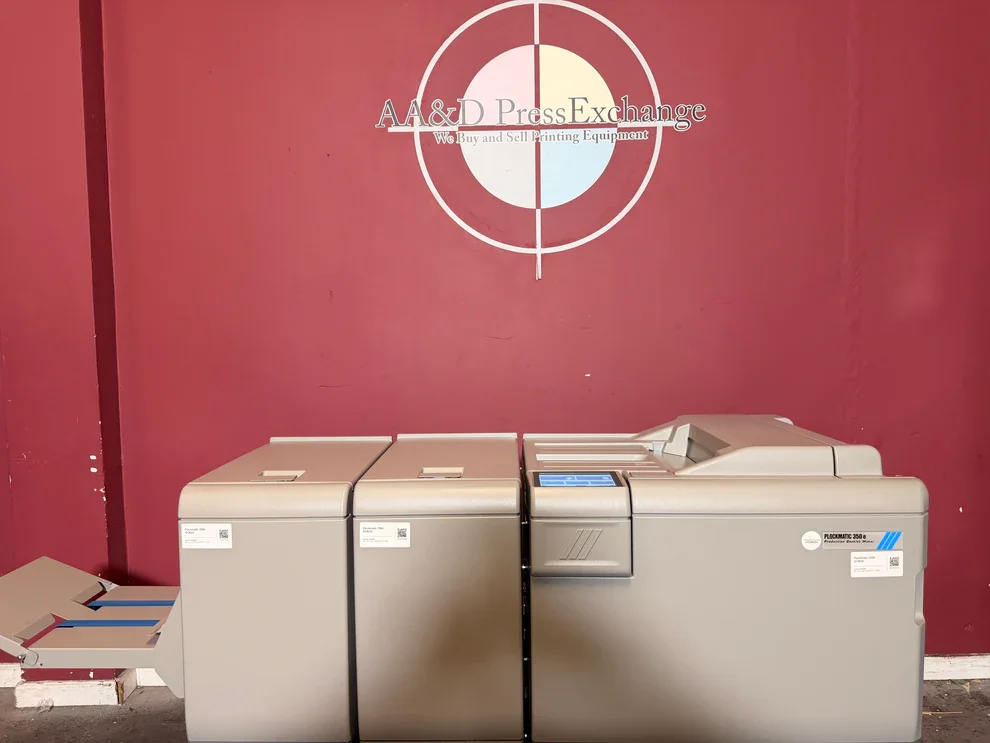
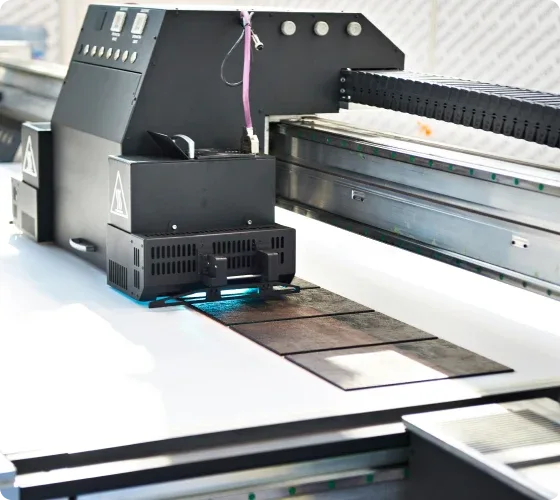
When a printing business decides to upgrade its production floor, an older printing machine does not necessarily become worthless. In many cases, another company may be actively searching for the same type of equipment at a lower cost than buying new. This creates an opportunity for businesses, print shops, commercial printers, and equipment owners who want to sell printing machine assets they no longer need.
Selling a machine, however, involves more than finding someone willing to pay for it. Buyers want to understand exactly what they are purchasing. They may want details about the manufacturer, model, age, condition, usage, maintenance history, features, and availability. They also need to consider transportation and installation.
The good news is that a well-prepared seller can make the process considerably easier. By presenting accurate information, preparing the equipment properly, and choosing an appropriate sales channel, you can make your machine more attractive to serious buyers.
This guide explains the process in simple terms and covers the important decisions to make before, during, and after selling a used printing machine.
Why Businesses Sell Printing Machines
There are many reasons a company may decide to sell a machine.
A print shop might purchase newer equipment that produces work faster or supports additional materials. Another company may reduce its production volume and discover that it has more machinery than it actually needs. A business that closes a department may also have equipment sitting unused.
Sometimes the reason is simply space.
A large machine can occupy a significant portion of a production area. Keeping equipment that rarely gets used can make it harder to organize the workplace and may prevent the business from using the space for something more productive.
Technology is another factor. Newer machines may offer improved automation, greater flexibility, or better compatibility with modern workflows. That does not mean older equipment has no purpose. A smaller printer or finishing machine may be perfectly suitable for a business that does not require the newest features.
This is why the used printing machine market can be valuable to both sellers and buyers.
Determine Exactly What You Are Selling
Before advertising your equipment, identify the machine precisely.
The manufacturer and model number are especially important. Two machines can look almost identical while having different specifications, capabilities, or configurations.
Create a basic equipment record containing information such as:
- Manufacturer
- Model
- Serial number, where appropriate
- Approximate manufacturing year
- Machine dimensions
- Production capacity
- Supported media or paper sizes
- Included accessories
- Current operating condition
- Approximate usage
- Maintenance history
- Location
- Available manuals and documentation
If the machine includes optional components, list those separately.
For example, a buyer looking at a production printer may want to know whether additional paper trays, finishing equipment, or other options are included. Leaving out such information can make the listing less useful and may result in repeated questions.
A good listing should function almost like a product information sheet. The buyer should be able to understand what is being offered without having to guess.
Evaluate the Machine's Current Condition
Condition has a direct effect on resale value.
A machine that has been regularly maintained and is currently producing acceptable results will generally appeal to buyers differently from equipment that has been sitting unused for several years.
Before you sell a printing machine, inspect it carefully.
Check whether it:
- Starts normally
- Completes its basic functions
- Produces acceptable output
- Displays warning or error messages
- Has visible damage
- Has missing covers or components
- Shows excessive wear
- Has recently received maintenance
- Comes with working accessories
If the equipment is currently operating, make a note of its status. If it is not operational, state that clearly.
Honesty is particularly important with used machinery. A buyer may accept equipment that needs repair if the price reflects its condition. Problems arise when a machine is advertised as fully operational but turns out to require significant work.
Think of it like selling a used vehicle. A buyer does not necessarily expect a used car to be perfect, but they do expect the seller to accurately describe its condition.
Collect Maintenance and Service Information
Maintenance records can make an important difference when selling commercial equipment.
Keep together any documents that show servicing, repairs, replacement parts, inspections, or other work performed on the machine.
If you know when the equipment was last serviced, include that information. If certain major components have been replaced, mention them when relevant.
A buyer may be more comfortable purchasing a machine when there is a clear record of how it has been maintained.
If documentation is incomplete, do not create information that you cannot verify. Simply provide the records you actually have.
Even a basic history can be useful because it gives the buyer some understanding of the machine's background.
Photograph the Machine Properly
Photos are often the first thing a potential buyer sees.
A poor photograph can make good equipment look unattractive, while clear images can help buyers understand what they are considering.
Take photographs in good lighting and include several views of the machine. Do not photograph only the front.
Useful images can include:
- A complete view of the equipment
- The control panel
- The manufacturer's identification plate
- Important accessories
- Interior areas where appropriate
- Visible wear
- Any damage
- Additional finishing or feeding units
- The machine from different sides
Clean the equipment before taking photographs. Remove loose paper, dust, packaging materials, and unnecessary clutter from the surrounding area.
If there is a scratch or damaged section, photograph it rather than hiding it. Showing imperfections can actually improve buyer confidence because the listing appears more transparent.
Write a Specific Sales Description
A vague advertisement rarely gives buyers enough information.
Instead of writing:
"Printing machine available. Good condition. Contact for price."
Provide meaningful details.
Explain what the machine is designed to do, identify its main features, describe its condition, and state what is included.
Your title should also be specific. A phrase such as printing machine for sale is useful, but adding the manufacturer and model makes the listing considerably more informative.
For example:
Used [Manufacturer] [Model] Printing Machine for Sale
The exact wording will depend on the equipment.
Use relevant terms naturally, including used printing machines, commercial printing equipment, pre-owned printing machinery, and printing equipment for sale where they accurately describe the product.
Avoid filling the description with repeated keywords. Buyers are looking for useful information, not a paragraph that says the same thing in different ways.
Research the Current Market
Determining a realistic asking price requires research.
Do not base the price solely on what the machine originally cost. Commercial equipment can lose value as newer models appear, even when the older machine remains functional.
Instead, compare your equipment with similar machines currently available.
Look at factors such as:
- Same manufacturer
- Same model
- Similar age
- Similar usage
- Comparable condition
- Similar configuration
- Included options
- Current buyer demand
A machine with low usage and strong maintenance records may justify a different price from one with heavy usage and visible wear.
Location can also matter. A buyer may have to pay for specialized transportation, loading, or installation. Those costs can influence what they are willing to pay for the equipment itself.
The goal is not necessarily to advertise at the lowest possible price. It is to establish an asking price that reflects the machine's actual market position.
Consider Usage and Meter Information
Some printing equipment records how much it has been used. Depending on the machine, this might be represented by a meter reading, production count, or another usage measurement.
If your equipment has a relevant usage counter, record the current figure accurately.
Usage information gives buyers another way to compare machines.
For example, imagine two otherwise similar machines. One has been used lightly while the other has completed substantially more production. The difference may affect how a buyer evaluates their respective prices.
Do not alter or misrepresent usage information. Accuracy protects both sides of the transaction.
Decide Where to Advertise
Choosing the right sales channel is another important decision.
You can advertise through general online marketplaces, industry-specific platforms, dealers, auctions, or companies specializing in pre-owned printing equipment.
A general marketplace may expose your listing to many people, but not everyone viewing it will understand commercial printing machinery.
A specialized platform can place the machine in front of people who already know what they need.
For sellers looking for a marketplace focused on printing and finishing equipment, AA&D PressExchange is one option to consider when presenting used equipment to potential buyers.
The best choice depends on the machine's value, your desired selling timeline, and how much responsibility you want to handle yourself.
Make Transportation Responsibilities Clear
Moving printing machinery can be more complicated than moving ordinary equipment.
Some machines are heavy, large, or difficult to maneuver through a facility. Specialized moving services may be necessary, particularly when equipment needs to be disconnected, lifted, loaded, or transported over a long distance.
Before finalizing the sale, clarify:
- Who disconnects the machine
- Who arranges loading
- Who pays transportation costs
- Whether specialized movers are required
- When the equipment will be collected
- Whether accessories are included
- Who is responsible for preparing the machine
These details should not be left until the last minute.
A buyer may be happy with the purchase price but discover that transportation costs significantly change the overall expense. Discussing these issues early helps avoid unpleasant surprises.
Prepare the Equipment Before Pickup
Once you have a buyer, prepare the machine carefully.
Remove materials that are not part of the sale. Gather accessories, manuals, cables, tools, and other components that were included in the agreement.
If the equipment requires professional disconnection, use an appropriately qualified service provider rather than attempting unfamiliar work yourself.
The machine should also be protected against unnecessary damage during handling.
If parts need to be secured for transportation, follow the manufacturer's instructions or use experienced machinery movers.
Preparation is especially important because a machine that leaves your facility in good condition should arrive at its destination without avoidable damage.
Communicate Clearly With Potential Buyers
Selling equipment often involves questions.
A serious buyer might ask about operating condition, maintenance, production history, specifications, accessories, or the reason for selling.
Answer what you know and distinguish verified information from estimates.
For example, if you know the machine was serviced six months ago, say so. If you do not know the exact manufacturing year, avoid presenting a guess as a confirmed fact.
Prompt communication can also help keep serious prospects interested. Buyers looking for specific equipment may be contacting several sellers at the same time.
A clear, professional response can make your listing stand out without requiring an aggressive sales pitch.
Avoid Common Selling Mistakes
Several simple mistakes can make selling a printing machine harder than necessary.
One is providing too little information. Buyers cannot properly evaluate an unknown machine.
Another is setting the price based entirely on the original purchase cost. What a machine cost years ago does not automatically determine what buyers will pay today.
Poor photographs are another problem. Dark, distant, or cluttered images can make the equipment difficult to evaluate.
Some sellers also hide known problems. This may attract an initial inquiry but can damage trust when the buyer eventually inspects the equipment.
Finally, do not ignore the logistics of removal. A machine is not truly ready for sale if nobody has considered how it will leave the building.
Understand the Benefits of Selling Used Equipment
Selling an unused machine can provide several practical advantages.
First, it can recover some of the money originally invested in the equipment. Second, it can free valuable production-floor space. Third, it may allow another business to obtain equipment that would otherwise be outside its budget.
There is also a broader benefit to keeping functional equipment in use.
A machine that no longer fits one company's needs may still be perfectly useful elsewhere. Selling it allows another operator to extend its productive life rather than leaving it unused.
For businesses that regularly upgrade equipment, developing a consistent resale process can become part of normal asset management.
When Is the Right Time to Sell?
There is no universal answer, but waiting indefinitely is rarely helpful.
If a machine has already been replaced and is sitting unused, its condition may deteriorate over time. Newer models may also enter the market, making older equipment less attractive.
Selling while the equipment is still functional can sometimes make the process easier because you can demonstrate its operation and provide more useful information to potential buyers.
If you know that a major upgrade is coming, begin planning the sale before the replacement arrives. This gives you time to photograph the machine, collect records, research pricing, and identify interested buyers.
Planning ahead is much easier than trying to clear several machines from a facility on short notice.
Conclusion
To sell printing machine equipment successfully, preparation matters as much as promotion. Buyers want more than a photograph and a price. They need reliable information about the machine's identity, condition, usage, capabilities, maintenance, accessories, and removal requirements.
Start by documenting exactly what you have. Inspect the equipment honestly, gather its service history, take clear photographs, and research comparable machines before deciding on an asking price. Then choose a sales channel that reaches the type of buyer most likely to need your equipment.
Most importantly, keep the transaction transparent from beginning to end. A straightforward description, realistic pricing, organized documentation, and clear transportation arrangements can make the experience easier for everyone involved.
A used printing machine does not have to sit idle simply because it has been replaced by newer equipment. With the right presentation and a sensible selling strategy, it can find a new home where it continues producing useful work while giving the original owner a valuable return on an asset that is no longer needed.