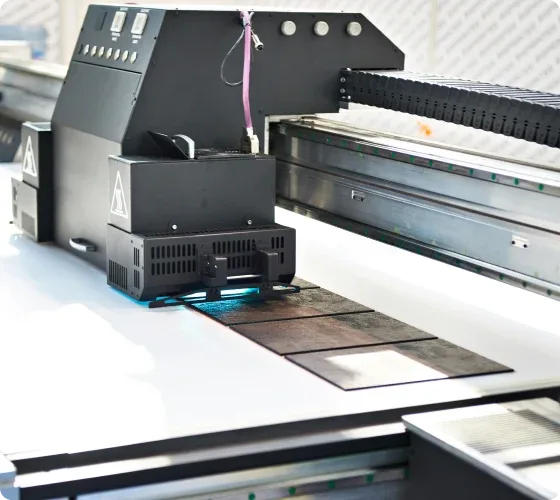
A printing machine can be a valuable business asset for years. But eventually, circumstances change. A company may replace older machinery with newer technology, reduce the number of services it offers, move into a different market, or simply discover that certain equipment is no longer earning its keep.
When that happens, leaving the machine untouched in a corner is rarely the best long-term solution.
Choosing to sell printing equipment can turn an underused asset into money that can be put toward something more useful. It can also give another printer access to equipment that would otherwise be outside its budget if purchased new.
The selling process does require some preparation. Printing equipment is often expensive, heavy, and highly specialized. A prospective buyer will want to understand exactly what is available, how it has been used, what condition it is in, and what will be involved in getting it installed at its next location.
Fortunately, you do not need to be a professional salesperson to handle the process effectively. A clear description, accurate information, sensible pricing, and good communication can go a long way.
First, Decide What You No Longer Need
The best place to begin is not with an advertisement. Start by looking at your production floor.
Walk through the facility and consider which machines are genuinely contributing to current operations. Some equipment may still be running regularly, while another machine might have been untouched for months.
There are several signs that a machine may be ready for a new owner:
- It duplicates the work of newer equipment.
- Your company has stopped accepting the jobs it was designed for.
- Replacement machinery has made it unnecessary.
- It is occupying space needed for current production.
- The equipment is rarely used.
- Maintaining it no longer makes financial sense.
- Your business has changed its production strategy.
This exercise can also reveal equipment that you had forgotten about.
Instead of viewing unused machinery as something that must simply be stored, consider what that space and capital could accomplish elsewhere.
Give Every Machine a Proper Identity
Once you have decided what to sell, identify each item precisely.
Do not rely on descriptions such as “old color printer” or “large paper cutter.” Those labels are too broad for a serious buyer.
Find the manufacturer's name and model number. Check the identification plate attached to the equipment. If you have the original paperwork, compare the information against your records.
Depending on the type of machine, useful details may include:
- Brand and model
- Year of manufacture
- Serial number
- Machine dimensions
- Production capacity
- Paper or material sizes supported
- Number of operating units
- Optional equipment
- Included accessories
- Electrical specifications
- Approximate usage
- Current operating status
Exact specifications are particularly important because seemingly similar machines can have very different configurations.
For example, two finishing machines may perform broadly similar jobs while accepting different material sizes or offering different levels of automation. Those differences can determine whether a machine is useful to a particular buyer.
Understand What the Machine Does Best
A listing becomes much more useful when it explains the machine's practical purpose.
Instead of simply listing technical specifications, describe the type of work the equipment is suited for.
Was it used to produce marketing materials? Books? Packaging? Business stationery? Labels? Short-run commercial jobs? Large-volume production?
Describe the machine in terms that a business owner can understand.
A buyer is essentially asking one question: “Can this equipment solve a problem in my operation?”
Your description should help answer that question.
If a machine is especially useful for short production runs, say so. If it was primarily used for high-volume work, mention that. If it is suitable for a particular finishing process, explain it in plain language.
The more clearly you communicate its practical role, the easier it becomes for the right buyer to recognize its value.
Tell the Truth About Its Condition
When you sell printing equipment, an honest condition report is one of the most important parts of the process.
Used equipment does not need to look brand new. Buyers understand that machinery develops signs of use over time. Scratches, faded labels, worn paint, and minor cosmetic marks are not necessarily major concerns.
Operational condition is a different matter.
If the machine works properly, explain that. If it has a known problem, disclose it. If a particular component needs replacement, include that information rather than leaving the buyer to discover it later.
You can divide the condition into simple categories such as:
Fully operational: The machine is currently being used or has recently been tested and performs its intended functions.
Operational with known issues: The main functions work, but a repair or adjustment is needed.
Not currently running: The machine has not been tested recently or is being sold as non-operational.
This straightforward approach gives potential buyers a realistic starting point.
Don't Throw Away Its History
Your records can be surprisingly valuable during a sale.
Look through old service invoices, maintenance reports, equipment manuals, purchase documents, and records of major repairs. You may have information that answers questions a buyer would otherwise need to ask.
Suppose a major component was replaced recently. That could be relevant to someone considering the purchase.
Likewise, if the machine received routine servicing throughout its working life, that information may help demonstrate that the equipment was not simply neglected.
You do not need to create a huge technical dossier. Organize the records you already have and make important information available.
If documentation is missing, simply say so.
Accuracy is more useful than an impressive-sounding story.
Make Your Photographs Do the Explaining
Good photographs can dramatically improve an equipment listing.
A potential buyer may be hundreds or thousands of miles away. They cannot walk around your facility and inspect the machine themselves, so photographs become their first visual impression.
Take pictures from different viewpoints instead of relying on one image.
Include the entire machine, the operator area, control panel, identification plate, major working sections, accessories, and any noticeable wear.
If the equipment has a meter or usage counter, photograph it when practical.
There is also value in showing imperfections.
A damaged cover or worn panel may look insignificant, but hiding it can create suspicion. Showing it openly demonstrates that the listing is intended to give a realistic picture.
Photographs should answer questions rather than simply make the machine look attractive.
Build a Listing Around Useful Information
Once you know what you are selling, put the details together in a readable format.
A strong listing should tell someone what the equipment is, what it does, how it has been used, and what they should know before making an offer.
Use relevant terms naturally, including sell printing equipment, used printing equipment, printing equipment for sale, pre-owned printing machinery, and used printing machines.
However, do not turn the description into a collection of keywords.
Write for a person first.
A practical listing could follow this order:
Machine Overview
Identify the manufacturer, model, age, and general purpose.
Production Use
Explain what kind of work the equipment handled.
Current Condition
Describe whether it is operating and mention known issues.
Configuration
List important features, accessories, and optional components included with the sale.
Supporting Records
Mention manuals, maintenance documentation, or other relevant paperwork.
Location
State where the machine is located so buyers can consider transportation.
Sale Details
Explain anything important about inspection, removal, or pickup.
This format allows a reader to understand the opportunity without digging through a wall of technical information.
Look Beyond the Original Purchase Price
One of the easiest mistakes sellers make is using the original purchase price as their main guide.
A machine that cost a substantial amount when new will not necessarily command a similar percentage of that price years later.
The used market works differently.
Current value can be influenced by the machine's age, condition, demand, configuration, brand reputation, technological changes, and availability of comparable equipment.
A machine with a strong reputation and useful capabilities may still attract attention after many years. On the other hand, equipment that has been replaced by substantially newer technology may have a smaller pool of interested buyers.
Research comparable machines before deciding what you want to ask.
Look for equipment with similar specifications and condition rather than comparing your machine with something that only looks similar.
Think About the Buyer's Total Cost
The purchase price is only one part of acquiring large printing equipment.
A buyer may also need to budget for transportation, loading, dismantling, installation, electrical work, maintenance, replacement parts, or other preparation.
This does not mean you should automatically reduce your price by every possible future expense. Instead, understand that buyers are evaluating the complete financial picture.
For example, a machine offered at a lower price may still be less attractive if moving it is exceptionally difficult. Conversely, a well-maintained machine with useful accessories and clear documentation may look more appealing even if its asking price is somewhat higher.
Helping buyers understand what is included makes comparison easier.
Decide How Much Work You Want to Handle
There are different ways to sell used printing equipment, and each has advantages.
You can market the machine yourself and communicate directly with interested parties. This gives you control but also means you must handle inquiries, negotiations, paperwork, and logistical arrangements.
Another option is to use a specialized equipment marketplace where people already looking for printing machinery can discover the listing.
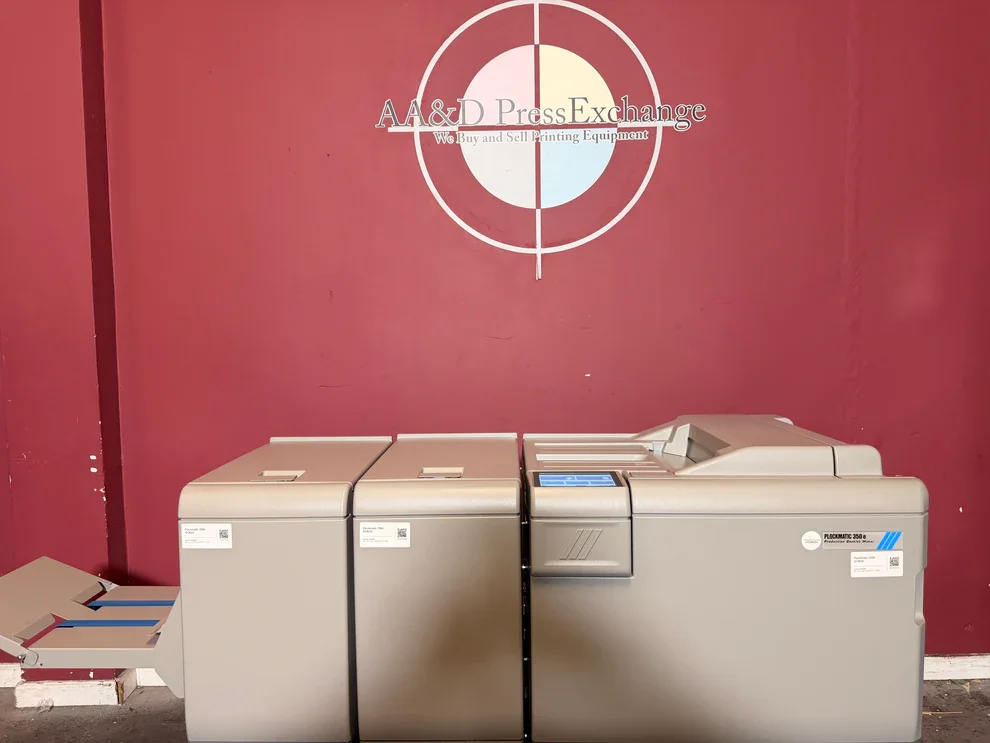
For businesses interested in an industry-specific marketplace, AA&D PressExchange provides a place to list and find pre-owned printing equipment.
Your choice should reflect the machine's value, your desired timeline, and how much responsibility you want to take on during the transaction.
Make Your Terms Clear Before Accepting an Offer
A surprising number of equipment-sale problems come from assumptions.
The seller assumes the buyer is arranging transportation. The buyer assumes the seller will load the machine. Someone thinks an accessory is included, while the other party considers it separate.
Avoid that situation by putting the important terms in writing.
Clarify:
- What equipment is included
- Which accessories are included
- Whether manuals or records are included
- Whether the machine can be inspected
- Who handles dismantling
- Who handles loading
- Who arranges transportation
- When the equipment must be collected
- What payment arrangements apply
The exact terms will depend on the transaction, but clarity should be the common thread.
Prepare for an Inspection
A serious buyer may want to inspect the machine before completing the purchase.
That is reasonable, particularly when the equipment represents a significant investment.
Prepare the machine and surrounding area so the inspection can take place efficiently. Make sure important sections are accessible and gather relevant documentation.
If the equipment can be demonstrated safely, a test run may provide useful confirmation of its operating condition.
If an in-person inspection is impossible, detailed photographs, videos, service records, and operating information can help provide additional confidence.
The objective is simple: give the buyer enough evidence to make an informed decision.
Plan the Move Before Moving Day
Large printing equipment should never be treated like ordinary household furniture.
Its size, weight, shape, and installation requirements can make removal complicated. Doorways, loading docks, elevators, flooring, and ceiling clearance may all matter.
Before the transaction is completed, determine how the equipment will leave the building.
A professional machinery mover may be appropriate for larger or more complicated equipment. Whoever handles the move should understand the equipment and use suitable methods for loading and securing it.
Planning ahead protects both the machine and the building.
It also avoids the unpleasant situation where a buyer arrives with transportation that is not suitable for the equipment.
Protect Business Data Before the Equipment Leaves
Modern printing equipment may contain more than mechanical components.
Depending on the machine, it may have internal storage, saved jobs, network information, user settings, addresses, or other business data.
Before handing the equipment over, review its data-storage capabilities.
Remove confidential information and reset settings according to the manufacturer's recommended process where applicable. Disconnect the machine from your business network and make sure access credentials are not left behind.
Selling hardware should not accidentally transfer digital information with it.
Know When Negotiation Is Reasonable
Most used-equipment sales involve some discussion about price.
A buyer may make an offer below your asking figure. That does not necessarily mean the listing failed.
Consider the offer in relation to the equipment's condition, market demand, time on the market, and costs associated with keeping the machine.
If the buyer points out a legitimate issue you had overlooked, that information may be worth considering.
At the same time, you do not have to accept an offer that does not make financial sense.
Good negotiation is less about winning an argument and more about finding a number that both parties can justify.
Give the Equipment a Chance to Find the Right Home
Not every buyer will be suitable for every machine.
A small print shop may not need a high-capacity production system. A company specializing in one type of work may have no use for equipment designed for another process.
That is normal.
Rather than trying to convince every person who contacts you, concentrate on providing enough information for interested businesses to determine whether the machine matches their needs.
The right buyer may care less about cosmetic age and more about a particular capability that the machine still performs exceptionally well.
That is where accurate positioning matters.
Turn Unused Machinery Into Business Value
A machine sitting idle represents an opportunity that has not yet been used.
Selling it can free floor space, reduce the burden of storing unnecessary equipment, and provide funds for other priorities. The proceeds could contribute toward newer machinery, facility improvements, working capital, or another business investment.
More importantly, selling allows the equipment to continue serving a purpose somewhere else.
One company's surplus can become another company's solution.
That is one of the practical advantages of the used equipment market.
Conclusion
Learning how to sell printing equipment effectively is largely a matter of preparation and transparency.
Start by identifying machinery that no longer fits your operation. Record its specifications, understand its practical capabilities, assess its actual condition, and gather the paperwork that can support your description. Take useful photographs instead of relying on a single attractive image.
When establishing a price, look at the current market rather than focusing only on what the machine originally cost. Remember that buyers are considering transportation and other expenses in addition to the purchase price.
Choose a selling channel that puts the equipment in front of an appropriate audience, communicate clearly with interested buyers, and settle transportation and inspection details before the equipment changes hands.
Most importantly, describe the machine honestly.
Used printing equipment does not have to be perfect to be valuable. It needs to offer capabilities that another business can use at a price that makes sense. When sellers provide accurate information and buyers know exactly what they are getting, an idle machine can become a productive asset once again.
That makes selling surplus printing equipment more than a way to clear floor space. It is an opportunity to recover value from yesterday's investment while helping another business build tomorrow's production capacity.