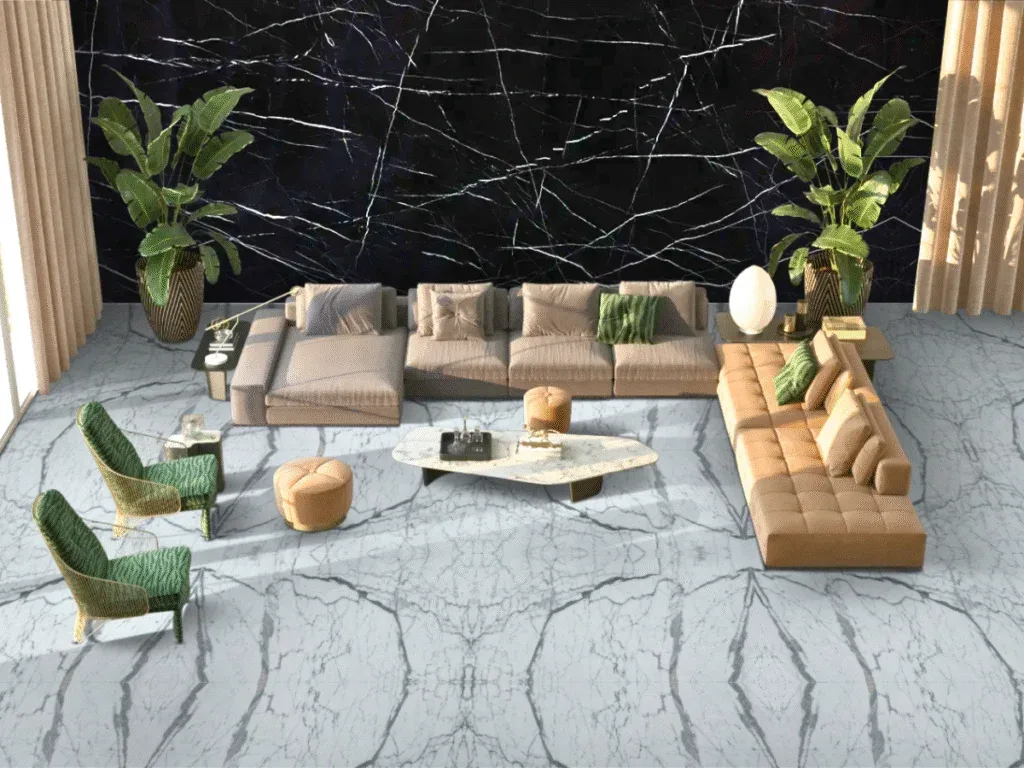
Rooftop spaces have evolved from underutilized utility areas into prime outdoor living zones, open-air entertainment lounges, and serene sky terraces. However, flooring an elevated exterior environment presents technical demands far beyond those of typical interior installations. Rooftops face constant, direct exposure to harsh solar radiation, torrential rain, thermal cycling, and freezing temperatures. Selecting the right natural stone demands an architectural understanding of porosity, compressive strength, solar reflectance, and surface traction. Galaxy Exports brings decades of stone-processing expertise to help property owners, architects, and structural designers navigate these rigorous environmental factors.
Technical Demands of Rooftop Stone Flooring
An outdoor elevated slab requires materials engineered by nature to withstand continuous atmospheric stress. Unlike sheltered ground-level patios, rooftop surfaces absorb the full force of ultraviolet light and experience rapid temperature swings that cause expansion and contraction.
Key physical criteria include:
- Structural load capacity and tile thickness optimization
- Thermal resistance and low heat retention
- Water absorption rates below 0.5% to resist frost-thaw cycles
- Slip resistance, particularly during rainfall or pool-side splash
- Chemical resistance to environmental pollutants and acid rain
When sourced with correct technical specifications, natural stone provides a durable, fireproof, and low-maintenance deck that lasts for decades without degradation.
Granite: The High-Traffic Exterior Performer
Granite is an igneous rock formed deep beneath the earth under extreme pressure and heat, creating a crystalline matrix of quartz, feldspar, and mica. This geological formation gives it exceptional hardness, an extremely low water absorption rate (typically under 0.2%), and superior compressive strength.
For rooftop entertainment decks, open dining patios, and areas supporting heavy outdoor furniture or planters, granite provides unmatched structural resilience. Its dense composition makes it practically impervious to surface scratching, grease staining from outdoor barbecue setups, and acidic rainwater.
Selecting the appropriate surface texture is essential. A polished finish becomes excessively slippery when wet, creating a safety hazard. Outdoor installations benefit from textured finishes such as flamed, bush-hammered, shot-blasted, or brushed textures. These treatments expose the stone's crystalline depth while delivering a high dynamic coefficient of friction, ensuring safe foot traction in rainy weather. Partnering with a dedicated granite supplier India guarantees access to weather-graded, dense granites cut to uniform exterior thicknesses suitable for pedestal systems or mortar-bed installations.
Marble: Reflective Elegance and Thermal Comfort
Marble is a metamorphic stone renowned for its light-reflecting beauty, distinct veining, and smooth surface appeal. On residential rooftops, sun terraces, and covered rooftop lounges, marble offers an elegant aesthetic while helping manage ambient surface heat.
Pale and white varieties offer a high Solar Reflectance Index (SRI). While dark pavers absorb solar radiation and trap heat, light-toned marble reflects solar rays, maintaining a significantly cooler walking surface during intense summer afternoons. This characteristic helps curb the urban heat island effect and keeps rooftop sitting spaces usable even under direct sun.
Because marble is composed primarily of calcium carbonate, it possesses higher porosity than granite and is sensitive to acidic substances. For rooftop applications, choose high-density varieties, avoid high-gloss polished finishes, and specify honed, sandblasted, or tumbled textures. Implementing a penetrating, hydrophobic silane-siloxane impregnating sealer immediately after installation creates a breathable barrier that stops moisture intrusion while allowing vapor transmission from the underlying substrate. Sourcing these specialized varieties through an established marble exporter in India ensures that every consignment meets strict exterior-grade standards for density, composition, and uniform thickness.
Installation Methods for Rooftop Longevity
Achieving an enduring rooftop floor depends as much on the structural assembly as on the stone quality itself. Water mitigation is the single most critical factor in exterior stone success.
Raised pedestal systems, or dry-laid installations on adjustable polypropylene pedestals, offer superior performance for rooftops. They elevate the stone pavers above the waterproof membrane, leaving open joints that drain surface water instantly. This eliminates the risk of efflorescence, substrate pooling, and membrane puncture, while providing a concealed chase for electrical conduit and irrigation lines.
When employing traditional bonded screed installations, incorporate a drainage matting layer between the structural deck and the mortar bed, alongside an elastomeric waterproofing membrane. Generous fall angles (at least 1:60) toward rooftop drainage outlets prevent standing water, while flexible, polyurethane-based expansion joints every 3 to 4 meters accommodate natural thermal expansion without stone buckling or crack propagation.
Maintenance and Preservation Protocols
Long-term maintenance of outdoor natural stone requires a consistent care routine:
- Apply a high-grade, breathable penetrating impregnator post-installation and reapply every 24 to 36 months depending on local rainfall and sun exposure.
- Clean surfaces regularly with pH-neutral stone detergents to clear airborne soot, dust, and organic debris without etching the mineral surface.
- Avoid using acidic cleaning agents, pressure washers with concentrated pinpoint nozzles, or harsh de-icing salts that induce mineral spalling.
- Inspect expansion joints, caulking lines, and drainage grates biannually to verify unrestricted water egress from the roof surface.
Galaxy Exports inspects, tests, and calibrates every stone batch to ensure exact dimensional accuracy, minimal water absorption, and superior weathering performance, delivering reliable performance and visual appeal for elevated architectural surfaces.