
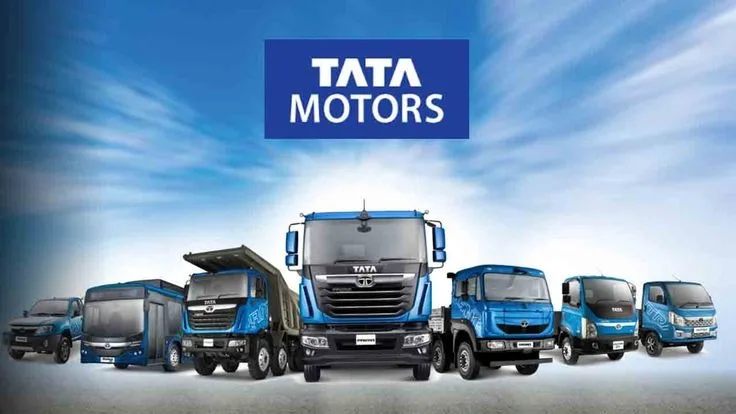
The commercial transport sector in Nepal is undergoing a sea change. Projects related to infrastructure are growing. The demand for intercity travel is still growing. Companies and transportation providers are paying more attention to whether cars can endure the country's topography, comply with weight regulations, and bear the associated operational expenses.
This choice is based on two very different needs: large-capacity passenger transportation and long-distance heavy freight. Knowing what each type of car offers enables consumers to make prudent purchases.
Navigating Nepal’s Challenging Terrain
Nepal’s terrain can be unpredictable, and this is often overlooked. Vehicles need to work well on both smooth city roads and narrow, winding mountain routes. Heavy-haulage trucks need strong brakes and stable suspension to safely carry heavy loads. Buses must handle well to keep passengers safe on sharp turns and rough roads. Buyers should consider not just engine power, but also how stable and easy the vehicle is to control.
What a heavy haulage tractor should have
The Tata 4018 comes with a Cummins B5.9 six-cylinder engine that produces 178 horsepower and 675 Nm of torque. This power helps operators move heavy cargo across Nepal’s tough roads. High torque is especially important on steep roads, making climbs smoother and lessening the need for frequent gear changes. The truck uses a Tata G750 gearbox, has a 3,200 mm wheelbase, and a 400-litre fuel tank, which is useful for long trips between refueling stops.
Here is a quick specification comparison of key areas relevant to Nepal's operating conditions:
Engine Cummins B5.9 Cummins ISBe 5.9L Power Output 178 HP 160 HP Peak Torque 675 Nm 600 Nm Fuel Tank 400 litres 250 litres Gradeability 23% Not specified Use Case Heavy freight tractor Intercity bus chassisPassenger transport and the bus chassis choice
Intercity bus operators face a different set of priorities. Passenger security, ride comfort, and maneuverability on roads that are not always wide or well-maintained matter more than raw cargo capacity. The Tata LPO 1515 chassis is built around a Cummins ISBe 5.9L BS IV engine producing 160 horsepower and 600 Nm of torque. It features a dual-circuit full-air S-cam braking system for dependable stopping, a six-speed G600 gearbox with overdrive, and a 5,195-millimeter wheelbase. On lengthy trips, integral hydraulic power steering lessens driver fatigue.
Serviceability and operating costs
Both vehicles use Cummins' engines, so operators have similar access to parts and service experts. Having the same engine platform makes maintenance planning easier and reduces the risk of downtime. This is especially important for smaller operators who are new to the business.
conclusion
Those who match vehicle capability to real-world operating conditions are rewarded in Nepal's commercial vehicle industry. Choosing the appropriate chassis with the right engine and drivetrain results in superior returns over time, whether the goal is transporting passengers between districts or hauling heavy cargo across mountain passes. The choice should be carefully considered before purchasing.