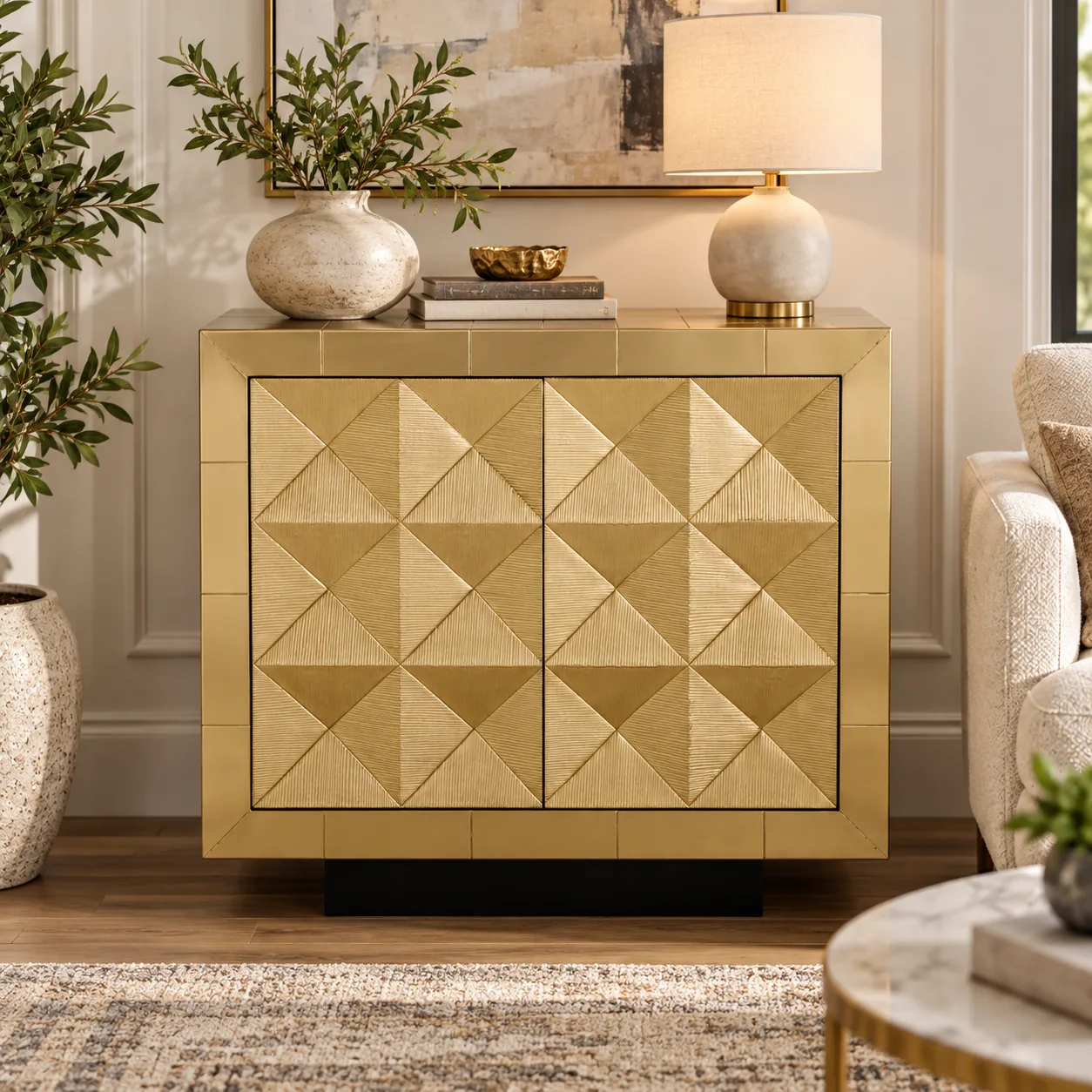
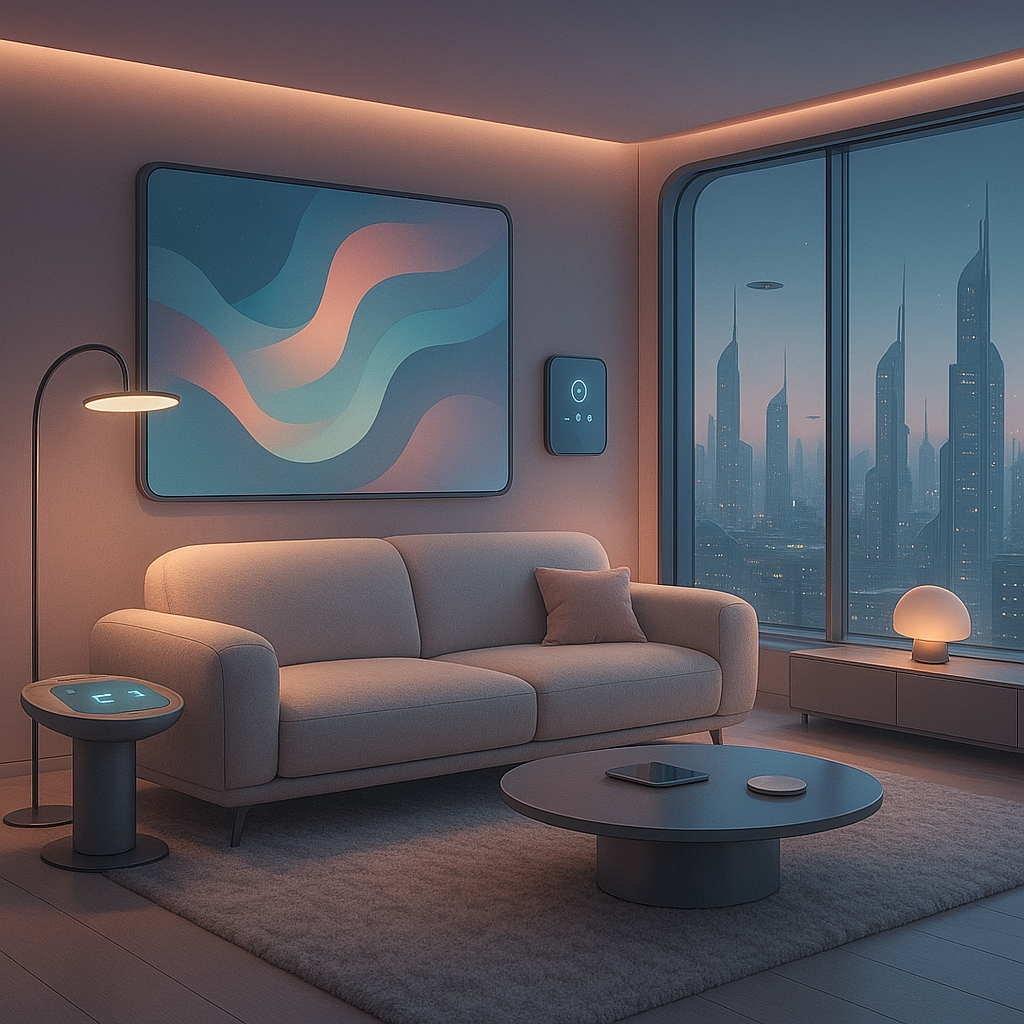
Setting the Scene: Home as a Sanctuary in a Shifting World
In an era marked by rapid urbanization, technological integration, and evolving social dynamics, the concept of home has transcended its traditional boundaries. Homes are no longer just shelters but have become personalized sanctuaries that reflect individual identity and foster well-being. Recent surveys reveal that 78% of homeowners in 2026 prioritize comfort and personal expression in their home decor choices over mere aesthetics. This shift is underscored by changing lifestyles, where remote work and hybrid living arrangements demand environments that cater to both productivity and relaxation.
The living room, once a formal space for guests, now doubles as a multipurpose zone for work, leisure, and family interaction. Increasingly, homeowners seek decor that adapts to these needs without sacrificing style. The interplay between functionality and emotional resonance has never been more significant. This article explores how home decor trends, innovations, and expert insights are reshaping comfort and identity in contemporary living spaces.
Tracing the Roots: From Tradition to Personalization
Historically, home decor was largely dictated by cultural norms and architectural styles. In the mid-20th century, uniformity and mass production defined interior design, often emphasizing trends over personalization. However, the late 2010s saw a surge in consumer desire for unique, meaningful spaces. The rise of social media platforms and design blogs empowered individuals to explore diverse styles and share personal aesthetics widely.
By the early 2020s, sustainability and wellness began to influence choices, with materials, colors, and layouts designed to promote environmental consciousness and mental health. The pandemic accelerated these tendencies, as people spent more time indoors, reassessing their surroundings. According to industry reports, the home decor market grew by an average of 12% annually between 2020 and 2025, fueled by a demand for bespoke furniture, eco-friendly materials, and smart home integrations.
This evolution reflects a broader cultural shift: homes are now extensions of identity rather than standardized spaces. TheOmniBuzz's article How Home Decor Shapes Identity and Comfort in Modern Living Spaces highlights how personal narratives and emotional attachments are central to contemporary design philosophies.
Core Trends and Data: The 2026 Home Decor Landscape
The home decor sector in 2026 is characterized by several key trends driven by demographic shifts, technological advancements, and environmental concerns. According to data from the National Home Furnishing Association (NHFA), the following trends dominate the market:
- Biophilic Design Expansion: Incorporating natural elements such as plants, natural light, and organic materials has surged by 35% in popularity compared to 2023, enhancing both aesthetics and air quality.
- Smart and Adaptive Furniture: Sales of modular furniture with integrated technology (e.g., wireless charging, adjustable ergonomics) have increased by 40% year-on-year, reflecting the need for multifunctional spaces.
- Sustainability and Upcycling: Consumers increasingly demand eco-conscious production, with 60% preferring furniture made from recycled or responsibly sourced materials.
- Color Psychology: Warm earth tones and muted pastels dominate palettes, with a 25% rise in demand for colors associated with calm and mental clarity.
- Minimalism Meets Maximalism: Hybrid styles that balance clutter-free organization with curated, meaningful decor items are gaining traction among millennials and Gen Z homeowners.
These shifts are supported by technology-enabled customization platforms allowing users to visualize and tailor their spaces digitally before purchasing. Industry leaders such as Havenly and Modsy have reported a 50% increase in virtual consultations in 2026, signaling a permanent change in buying behavior.
"Home decor in 2026 is not just about aesthetics; it’s a deliberate act of self-expression and well-being," says interior design expert Lila Moreno.
Furthermore, regional variations are notable. Urban dwellers prioritize compact, multifunctional furnishings, while suburban homeowners invest in outdoor-integrated designs that blur indoor-outdoor boundaries. This diversification underscores the importance of context in contemporary home decor strategies.
Current Developments: Innovations and Cultural Shifts Driving 2026
Technological innovation is a primary catalyst in redefining home decor this year. The integration of AI-powered design assistants has revolutionized how consumers approach decorating. These tools analyze user preferences, spatial dimensions, and lighting to offer tailored recommendations, significantly reducing decision fatigue.
Additionally, the advent of augmented reality (AR) shopping experiences enables buyers to preview furniture and decor items in their actual spaces via smartphones or AR glasses. This technology has increased customer satisfaction by 30%, according to market research by HomeTech Insights.
Culturally, there is a growing emphasis on inclusivity and diversity in design. The 2026 Decor Diversity Initiative, supported by major brands, promotes products and aesthetics reflective of global cultures and identities. This movement encourages consumers to incorporate heritage and personal stories into decor elements, enriching spaces with authenticity.
Notably, the resurgence of handcrafted artisanal goods has challenged mass-produced decor. Platforms like Etsy and local artisan markets have seen a 25% growth in sales of handmade items this year, driven by consumer desire for uniqueness and ethical purchasing.
"Authenticity and sustainability are no longer optional but foundational in home decor choices," remarks Maya Chen, CEO of EcoLiving Interiors.
In parallel, health-conscious design is gaining momentum. Antimicrobial surfaces, circadian lighting systems, and air-purifying materials are becoming standard features in new furniture lines, aligning with the wellness movement that permeates lifestyle choices in 2026.
Expert Perspectives and Industry Impact
Industry insiders emphasize that home decor is now an interdisciplinary field merging design, technology, psychology, and environmental science. Leading firms have expanded their teams to include behavioral scientists and sustainability experts, ensuring products meet complex consumer demands.
Design consultancy firm Studio Verde reports that clients increasingly request spaces that support mental health—quiet zones, sensory-friendly textures, and color schemes tailored to reduce anxiety are common features. This trend reflects scientific findings linking environment to emotional well-being.
Economically, the home decor industry contributes approximately $320 billion to the global economy in 2026, with e-commerce accounting for 45% of sales. This shift challenges traditional brick-and-mortar retailers to innovate or partner with digital platforms.
Moreover, supply chain transparency has become a competitive advantage. Brands that disclose sourcing and manufacturing practices see 20% higher customer retention. The rise of blockchain technology aids in verifying product provenance, enhancing consumer trust.
According to TheOmniBuzz coverage on 8 Essential Home Decor Trends Transforming Living Spaces Today, collaboration between designers and technologists is shaping the future of personalized interiors, making expert insight a valuable resource for both consumers and manufacturers.
Looking Ahead: What to Watch in Home Decor’s Future
As we look beyond 2026, several emerging themes promise to further transform home decor. First, the convergence of virtual and physical spaces is expected to deepen. The rise of the metaverse and digital twins will allow homeowners to experiment with decor virtually, creating hybrid experiences that blend real and digital aesthetics.
Secondly, environmental imperatives will continue to drive innovation. Circular economy models, where furniture is designed for disassembly and reuse, will become mainstream. Industry projections estimate that by 2030, 70% of home decor products will adhere to circular design principles.
Third, the personalization trend will evolve with biometrics and AI, enabling decor that adapts in real-time to occupants’ moods and health needs. Smart fabrics that regulate temperature and lighting systems synced with biometric feedback are already in prototype stages.
For homeowners and industry players alike, staying informed and adaptable will be critical. Embracing sustainability, technology, and emotional intelligence in design promises not only elevated living experiences but also meaningful environmental and social impact.
- Prioritize eco-friendly and multifunctional decor choices.
- Leverage digital tools for personalized design experiences.
- Incorporate elements that support wellness and mental health.
- Engage with cultural narratives to enrich home environments.
- Monitor emerging tech for adaptive and responsive interiors.
For a comprehensive introduction to crafting your ideal space, TheOmniBuzz offers Mastering Home Decor: A Practical Guide for Beginners Ready to Transform Their Space, an essential resource for navigating this dynamic field.