
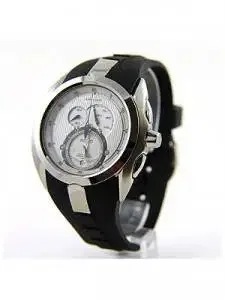
A seiko chronograph stainless steel watch pairs sub-dial stopwatch timing with a corrosion-resistant steel case and bracelet, and Seiko builds some of the most dependable examples at the price. Understanding the movement types and families is the fastest way to reach the right reference.
Quick Answer
Seiko stainless steel chronographs combine sub-dial elapsed-time measurement with a steel case and bracelet, running mostly on accurate quartz or light-powered solar movements. Key references include Prospex Speedtimer solar chronographs (steel case, solar V-series movement, sub-dial timing, 100M), Seiko quartz chronographs across sport and dress styling, and select mechanical chronographs on higher Seiko calibres. Case dimensions typically run 40mm through 45mm to fit the multi-dial layout. Solar versions charge from light and need no battery change; quartz versions keep the best time at the lowest cost. Current NZD pricing shows on the Seiko collection and the chronograph watches range.
What Defines a Seiko Steel Chronograph
A chronograph is a watch with a built-in stopwatch, using sub-dials and pusher-controlled central and register hands to time events. The stainless steel specification — case and usually bracelet — resists corrosion and scratching better than plated alternatives, giving the watch presence and durability for daily wear.
What matters practically: most Seiko steel chronographs at this price are quartz or solar, which keeps them accurate and affordable, rather than mechanical. This is a deliberate strength — a quartz or solar chronograph delivers precise timing and low upkeep, where a mechanical chronograph would cost meaningfully more. Seiko chronograph is about accurate timing in a durable steel package.
The References That Anchor the Category
Prospex Speedtimer solar chronographs anchor Seiko's steel chronograph recognition — a steel case and bracelet, a solar movement that charges from light, sub-dial stopwatch timing, and 100M water resistance. The solar power means no battery change, a practical advantage for a watch you wear often. These sit within the wider Seiko and Prospex ranges.
Seiko quartz chronographs extend the category across sport and dress styling in steel, delivering precise timing at accessible pricing. Select higher references bring mechanical chronograph movements for buyers wanting the mechanical experience, at a higher tier. Across all of them, the steel case and bracelet are the constant that defines the durable, everyday chronograph.
Movement Architecture Across Seiko Chronographs
Solar chronograph movements anchor the accessible steel chronograph — Seiko's V-series solar calibres charge from light, store months of reserve, and drive sub-dial timing with quartz-level accuracy. This is the movement to target for low upkeep and precise timing combined.
Quartz chronograph movements keep the best time at the lowest cost, appearing across Seiko's sport and dress chronographs. Higher-tier mechanical chronographs use Seiko's automatic chronograph calibres for buyers wanting the mechanical experience, though these sit at meaningfully higher pricing than the solar and quartz references that define the accessible category.
Case Construction and Design Language
Case construction uses stainless steel case and bracelet predominantly, resisting corrosion and scratching for long-term daily wear. Case dimensions run larger than three-handers — typically 40mm through 45mm — to accommodate the sub-dial layout, so lug-to-lug span against your wrist matters more than diameter alone.
Design language spans sporty and dress-adjacent. Prospex Speedtimer references draw on Seiko's motorsport timing heritage with legible tachymeter and register layouts; other steel chronographs favour cleaner dials for dress-adjacent wear. Crystal specification steps up by tier, with sapphire on higher references. Legibility of the busy multi-dial layout is the key check when choosing.
How Seiko Steel Chronographs Compare
Against Seiko three-hand references, a chronograph adds timing function and wrist presence at a higher price and larger case. Against mechanical chronographs, Seiko's solar and quartz steel chronographs bring far better accuracy and no winding, at lower cost — the trade is the mechanical experience for precision and low upkeep.
Against Citizen chronographs at similar pricing, both offer light-powered timing (Citizen Eco-Drive, Seiko solar); the choice comes down to styling and family preference. Against Swiss chronographs at meaningfully higher pricing, Seiko brings accurate timing and durability at accessible pricing, where Swiss brings finishing and heritage.
Who Should Buy a Seiko Steel Chronograph
A Seiko steel chronograph suits buyers wanting accurate elapsed-time measurement in a durable steel package, buyers wanting low upkeep from a solar reference that never needs a battery change, and buyers wanting timing function with everyday water resistance. The Prospex Speedtimer solar references are the standout for combining timing, solar convenience, and steel durability.
A steel chronograph may not suit buyers wanting the smallest, slimmest watch — the multi-dial layout runs larger — or buyers wanting a mechanical chronograph experience at accessible pricing, since the accessible category is quartz and solar. Buyers wanting maximum water resistance should confirm the rating, as many chronographs sit at 100M rather than dive specification.
Buying Strategy
Within the seiko chronograph stainless steel category, first decide movement type — solar for low upkeep and no battery changes, quartz for the lowest cost, or a higher mechanical reference for the mechanical experience. Then match styling, sport (Prospex Speedtimer) or dress-adjacent.
Verify case size against your wrist across the 40mm through 45mm range, since chronograph cases run larger, and confirm the water resistance rating for your use. Compare current NZD pricing across the Seiko collection and the wider chronograph watches range. Buy brand-new from an authentic source to protect warranty coverage.
FAQ
What is a Seiko chronograph watch?
A Seiko chronograph is a watch with a built-in stopwatch, using sub-dials and pushers to time events. In steel, that function sits inside a corrosion-resistant case and bracelet built for daily wear.
Are Seiko steel chronographs quartz or automatic?
Most at this price are quartz or light-powered solar, which keeps them accurate and affordable. Solar versions charge from light and never need a battery change; higher-tier mechanical chronographs exist at a higher price.
What is the Prospex Speedtimer?
A Seiko steel chronograph line with solar movements and motorsport-inspired timing layouts. It combines sub-dial stopwatch function, solar convenience, and steel durability with 100M water resistance.
Is stainless steel better than plated for a chronograph?
For long-term wear, yes. Steel resists corrosion and scratching better than plating and keeps its finish over years, which is why it is the preferred case and bracelet material for a daily chronograph.
How much do Seiko steel chronographs cost in NZ?
Solar and quartz steel chronographs sit at accessible through mid-tier pricing, with mechanical references higher. Current NZD pricing shows on the Seiko and chronograph collections at CityWatches NZ.
Can I wear a Seiko chronograph swimming?
Check the water resistance rating on the specific reference. Many steel Seiko chronographs sit at 100M, suited to swimming, while others rated lower suit splashes only. Match the rating to your use.
Verdict
A seiko chronograph stainless steel watch gives you accurate timing in a case built to last. Choose a Prospex Speedtimer solar reference for low upkeep, a quartz chronograph for the lowest cost, or a mechanical reference for the mechanical experience. Compare current options across the Seiko collection and the wider chronograph range.