Modern atmospheric science and energy production depend on the capability that the naked eye simply doesn't have- the ability to measure air itself. Wind farm operators must anticipate gusts of wind before they reach the blades, and meteorologists must pinpoint the precise altitude at which clouds threaten flight operations. The good news is both challenges are now solved by the same underlying technology.
The most reliable method available today for measuring wind speed, direction, and cloud ceiling is wind measurement LiDAR that's built on ultra-stable, narrow-linewidth laser sources, and this approach is steadily becoming the industry standard across energy, aviation, and atmospheric research.
What Is a Single Frequency Laser?
A standard laser emits a messy spread of light frequencies, which is fine for cutting metal but useless for detecting the faint Doppler shift caused by wind carrying tiny particles through the air.
However, a single-frequency laser emits one extremely pure wavelength with a linewidth as narrow as a few kilohertz, and that purity is what lets a receiver detect frequency shifts smaller than a heartbeat, which translates them into precise wind speed readings. It's also why these lasers double as light sources for quantum research, where atoms respond only to exact, stable frequencies.
How Does Wind Measurement LiDAR See What the Eye Cannot?
Coherent Doppler LiDAR sends out pulses of laser light and listens for the faint echo scattered back by dust, aerosols, and moisture. The shift in frequency between the outgoing pulse and the returning signal reveals wind speed and direction at multiple altitudes simultaneously.
A ground-based unit can assess sites for kilometers in every direction, while the nacelle-mounted versions sit on turbines themselves, feeding real-time data into control systems that reduce fatigue loads and boost energy output.
Can One System Measure Both Wind and Sky Conditions?
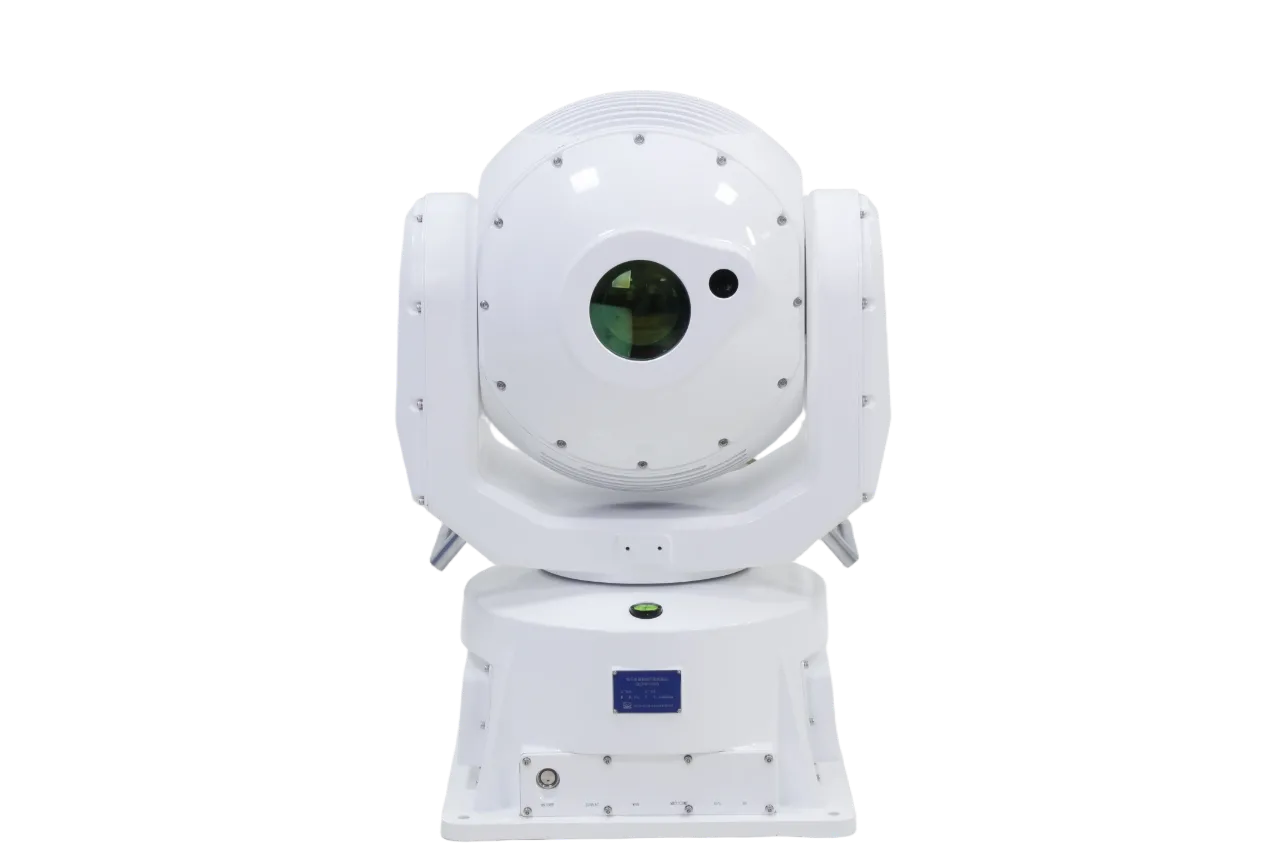
Yes, and this is where many people are surprised. A ground-based laser ceilometer uses the same core laser and detection principles to measure cloud base height instead of wind, supporting airports, weather stations, and research institutions that need continuous, unattended sky monitoring. According to Wind Systems Magazine, LiDAR already accounts for at least 10% of onshore wind resource assessment campaigns and has nearly replaced traditional met masts offshore entirely, a clear sign of where the industry is heading.
Which Laser Wavelength is Right?
Wavelength selection typically depends entirely on the application, especially in quantum and atomic physics work.
Wavelength Common Use Significance
780nm/795nm Rubidium atom manipulation Matches atomic transition lines precisely
852nm Cesium cooling and trapping Long term frequency stability
509nm Rydberg atom research Enables precision quantum control
We would say a tunable 795nm fiber laser is a remarkable choice for rubidium-based experiments that need fine frequency adjustments, whereas an 852nm single frequency laser locked to a gas reference cell delivers the long-term stability that cesium cooling demands.
Conclusion
Ultimately, whether your goal is optimizing a wind farm, keeping runways safe, or trapping a single atom, the answer generally starts with the same idea: control the light, and you control what you can measure without any flaws.