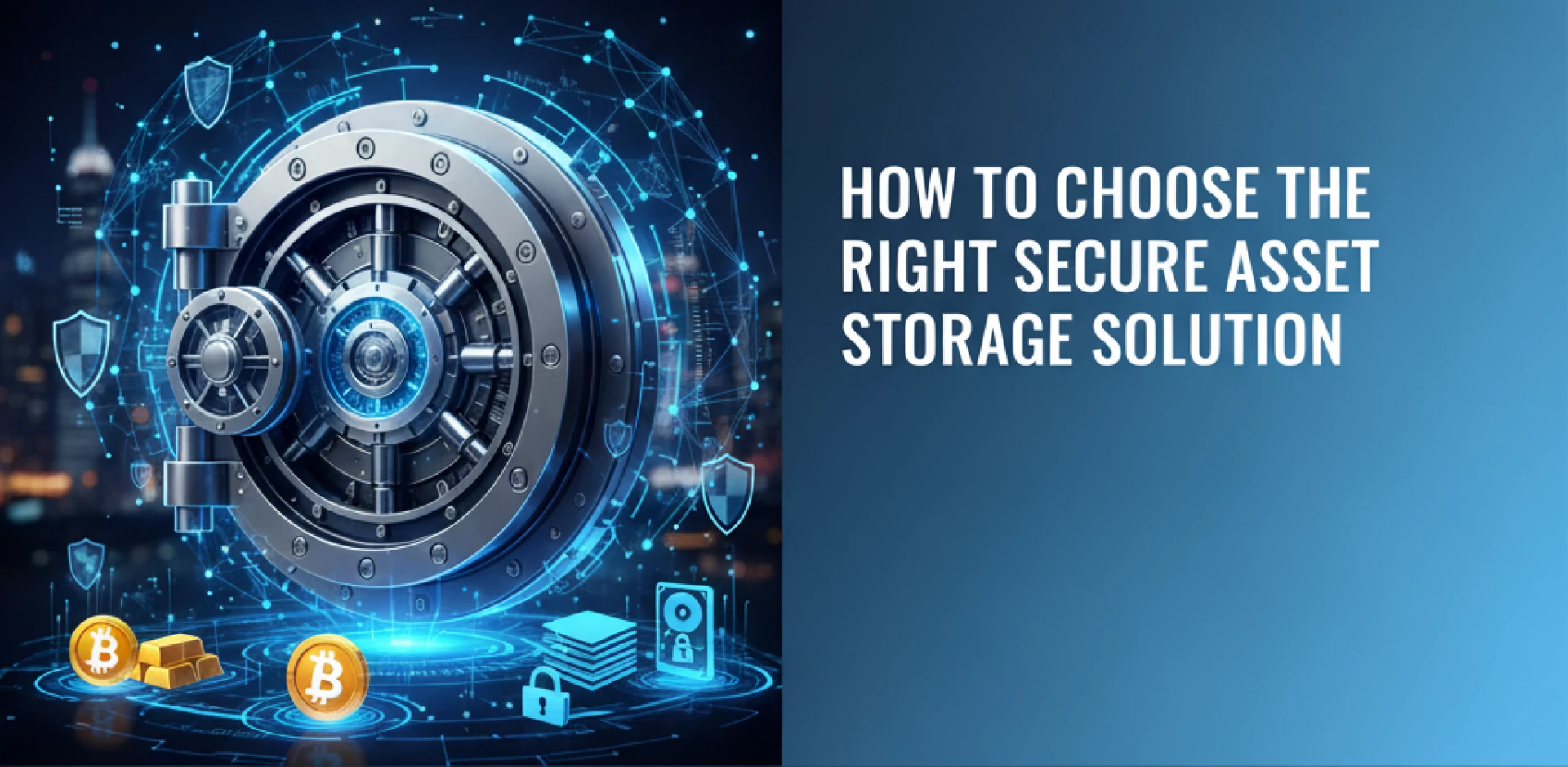
Businesses and individuals alike recognize the importance of secure storage of assets in today’s fast-paced world. Whether it’s financial documents, digital data, sensitive equipment, or valuable physical items, safeguarding assets from theft, misuse, or damage is critical to maintaining trust, compliance, and operational efficiency. The right storage solution not only protects valuables but also ensures easy accessibility and long-term reliability.
Why Secure Asset Storage Matters
The rise of cybercrime, theft, and regulatory compliance requirements has made asset security a top priority. Companies that fail to secure their assets risk financial losses, reputational damage, and legal consequences. For individuals, personal valuables or important records also require safe storage to prevent loss or misuse.
A reliable secure storage of assets strategy ensures:
- Protection against unauthorized access
- Compliance with industry regulations
- Extended asset lifespan
- Streamlined retrieval and tracking
- Peace of mind for stakeholders
Types of Secure Asset Storage Solutions
1. Physical Storage Solutions
Physical secure storage includes vaults, lockers, and safes designed to hold tangible valuables such as jewelry, legal documents, cash, and sensitive hardware. Many businesses opt for:
- Bank lockers for personal valuables
- Fireproof safes for documents and digital media
- Industrial storage units for high-value equipment
2. Digital and Cloud-Based Storage
For businesses with large volumes of data, cloud-based storage solutions are essential. These systems provide secure access, encryption, and backup to protect digital records and intellectual property.
3. Hybrid Storage Systems
Some industries, like healthcare or finance, benefit from hybrid storage that combines physical and digital systems. For example, physical records may be locked in vaults while digital copies are secured in encrypted servers.
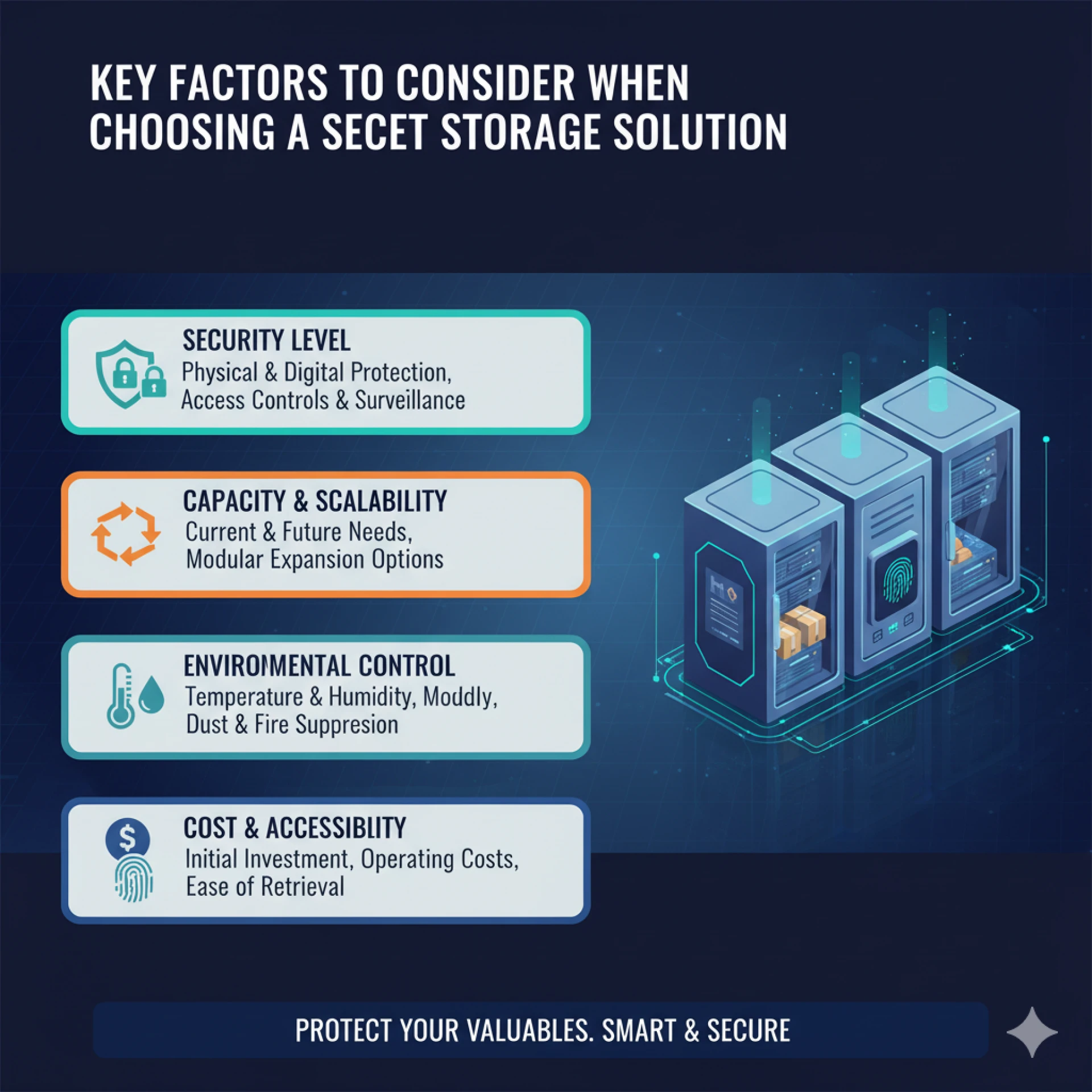
Key Factors to Consider When Choosing a Secure Asset Storage Solution
1. Nature of Assets
Understand whether your assets are physical (cash, jewelry, documents, hardware) or digital (records, intellectual property, data). This will determine the type of storage you need.
2. Level of Security Required
High-value or sensitive assets may require advanced features such as biometric access, encryption, or 24/7 surveillance.
3. Accessibility
Balance security with convenience. Assets should be easily retrievable when needed without compromising protection.
4. Scalability
Choose a system that can grow with your business. Cloud storage, for example, allows easy expansion as your data requirements increase.
5. Compliance with Regulations
Industries such as healthcare, banking, and legal services have strict compliance requirements for asset storage. Ensure your chosen solution aligns with these regulations.
6. Cost and Maintenance
Evaluate not only upfront costs but also long-term maintenance, insurance, and operational expenses.
Best Practices for Secure Storage of Assets
- Implement Multi-Layered Security: Combine physical locks, access codes, and surveillance for maximum protection.
- Use Encryption for Digital Assets: Encrypt files and data backups to prevent breaches.
- Regularly Audit Assets: Conduct routine checks to ensure assets are accounted for and systems remain secure.
- Limit Access: Restrict asset access only to authorized individuals and maintain access logs.
- Leverage Insurance: Protect against financial loss with comprehensive insurance policies.
Industry Applications of Secure Asset Storage
- Finance: Protecting confidential financial data, bonds, and securities.
- Healthcare: Securing patient records, medical equipment, and pharmaceuticals.
- IT & Tech: Storing sensitive digital data and high-value hardware.
- Construction & Manufacturing: Safeguarding expensive machinery and project documents.
- Personal Use: Storing family valuables, wills, or property documents.
Conclusion
The secure storage of assets is a necessity for both businesses and individuals aiming to protect their valuables from risks such as theft, loss, and misuse. By carefully evaluating asset type, security requirements, compliance needs, and budget, you can select the most reliable storage solution for long-term protection. A well-chosen system not only keeps assets safe but also ensures peace of mind and uninterrupted operations.