
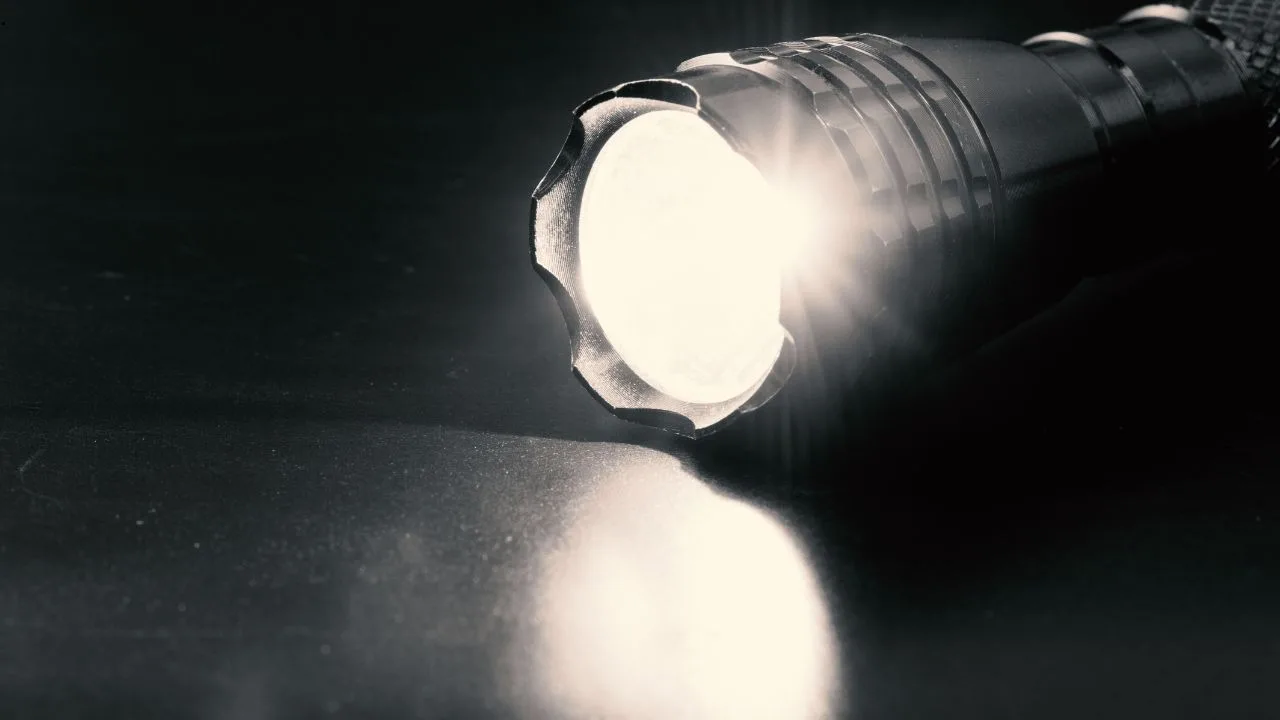
Emergencies do not politely wait for daylight hours, and a huge percentage of the most dangerous situations, from home intrusions to severe storms to sudden power outages, tend to happen or worsen at night. Darkness adds a layer of disorientation and difficulty to almost every emergency scenario, making navigation harder, communication more difficult, and decision-making under stress even more challenging than it already is during the day. Building a specific nighttime preparedness plan, separate from your general emergency planning, addresses a set of challenges that daytime scenarios simply do not create.
Why Nighttime Emergencies Are Different
Your eyes take time to adjust to darkness, typically 20 to 30 minutes for full adaptation, and any exposure to bright light during that window resets the process. This means fumbling for a light switch or a phone screen during a nighttime emergency can actually work against you by disrupting the limited night vision you have already developed. Understanding this delay helps explain why experienced preppers emphasize having a dedicated, easy-to-find light source rather than relying on overhead lighting or a phone screen during an actual nighttime emergency.
Keep a Dedicated Light Source Within Arm's Reach
Every bedroom in your house should have a flashlight stored somewhere you can find it without turning on a single light or fully waking up, ideally in the same spot every single night so muscle memory takes over even if you are groggy or disoriented. A comparison of the best EDC flashlights is worth reviewing specifically with this use case in mind, looking for a light with a simple, single-button operation you could find and activate half asleep, since a complicated multi-mode light is the wrong choice for a middle-of-the-night grab.
Practice Moving Through Your Home in the Dark
Most people know their own home well enough to navigate it in daylight without thinking, but that familiarity does not automatically transfer to full darkness during a real emergency, especially with adrenaline affecting your normal spatial awareness. Spend a few minutes occasionally walking through your home with the lights off, noting where furniture, stairs, and obstacles actually are relative to your mental map. This kind of low-stakes practice reveals blind spots in your spatial memory before a real emergency forces you to discover them the hard way.
A Family Nighttime Emergency Plan
- Designate a meeting point outside the home in case everyone needs to evacuate quickly at night
- Make sure every family member, including kids old enough to understand, knows where their own flashlight is kept
- Practice a nighttime fire drill occasionally, since daytime drills alone do not build the same muscle memory
- Keep a charged phone and a backup battery pack in the bedroom overnight, not just downstairs
Nighttime Considerations for Home Security
Intruders overwhelmingly prefer the cover of darkness, and a home invasion or break-in attempt at night creates a fundamentally different set of challenges than a daytime scenario. Exterior motion-sensor lighting, discussed in most home security guides, becomes even more valuable at night specifically because it removes the darkness an intruder is counting on. Inside the home, knowing where your phone, a light source, and if applicable a means of self-defense are located without needing to search for them matters enormously in those first disorienting seconds of realizing something is wrong.
Keeping Shoes and Grab-and-Go Items Staged
A detail that seems minor until you actually need it: keeping a pair of sturdy shoes near your bed rather than in a closet across the room can matter enormously if you need to evacuate quickly over debris, broken glass, or uneven ground in the dark. Pair this with a small grab-and-go bag containing essential documents, a phone charger, and a change of clothes staged near your bedroom door, so that a nighttime evacuation does not require stopping to gather scattered items in the dark under pressure.
Storm and Power Outage Scenarios at Night
Severe weather warnings that arrive overnight present a unique challenge, since many people sleep through initial alerts unless they have a weather radio or phone alerts specifically configured to wake them. Configuring severe weather alerts on your phone to override silent or do-not-disturb settings is a simple technical step that closes a real gap in nighttime preparedness. Once awake, having your emergency kit, shoes, and a light source staged and ready near your bed removes precious seconds of fumbling during an already stressful situation.
Vehicle Safety at Night
A roadside breakdown at night carries meaningfully higher risk than the same situation during the day, both from reduced visibility to other drivers and reduced ability to safely assess your surroundings. Reflective triangles, a working flashlight, and staying inside your vehicle with hazard lights on rather than wandering the roadside in the dark are all standard recommendations that specifically address the added risk that darkness introduces to an already stressful situation.
Coordinating With Neighbors at Night
A brief conversation with close neighbors about how you would signal for help or check on each other during a nighttime emergency, whether a porch light left on as an all-clear signal or an agreed-upon knock pattern, adds a layer of community support that becomes especially valuable when phone lines or cell service are unreliable. This kind of low-effort coordination costs nothing to set up in advance but can meaningfully speed up help arriving during a genuine nighttime crisis.
Reviewing and Updating Your Nighttime Plan
As children grow, as household members age, or as you move to a new home, a nighttime emergency plan built years ago can quietly become outdated without anyone noticing until it matters. Revisit your plan at least once a year, walk through it as a family, and update anything that no longer reflects your actual living situation, from a new bedroom layout to a family member's changed mobility needs. A stale plan gives a false sense of security that can be more dangerous than having no plan at all.
Building the Habit of Nighttime Readiness
None of this requires elaborate planning or expensive gear. It requires deliberately thinking through your specific home, family, and routine with nighttime scenarios in mind, rather than assuming your daytime emergency plan automatically covers the added challenges that darkness creates. A flashlight within reach, a practiced mental map of your home, and a family that knows the plan collectively remove a significant amount of the danger and disorientation that nighttime emergencies otherwise carry.
Children and Nighttime Emergency Readiness
Kids process nighttime emergencies very differently than adults, often waking confused, frightened, or too disoriented to follow instructions they would easily understand during the day. Practicing your family emergency plan occasionally at night, even in a low-stakes way like a planned drill, helps children build the same muscle memory adults benefit from, and reduces the panic that unfamiliar, half-asleep instructions can otherwise cause during a genuine emergency. Keep a small nightlight or glow-in-the-dark marker near each child's flashlight so they can find it quickly without full alertness.
Elderly Household Members and Nighttime Planning
Older adults often face additional challenges during nighttime emergencies, including slower reaction times, mobility limitations that make navigating stairs in the dark riskier, and in some cases dependence on medical equipment or medication schedules that a nighttime emergency could disrupt. If your household includes elderly family members, involve them directly in planning their specific nighttime evacuation route and make sure their flashlight and any essential medication are staged somewhere they can reach without needing to search in the dark or rely on someone else.
Backup Lighting Beyond a Single Flashlight
While a primary flashlight by the bed covers the first critical minutes of a nighttime emergency, a secondary light source, whether a lantern in a central hallway or a small backup light in a bag by the door, provides redundancy if your primary light is lost, drops, or has a dead battery at the worst possible moment. Redundancy is a core principle of solid emergency planning generally, and nighttime lighting is one of the clearest places where a simple backup meaningfully reduces risk.
The Psychological Component of Nighttime Emergencies
Fear and disorientation compound quickly in the dark, even for people who handle daytime stress calmly and rationally. Simply knowing you have practiced your plan, know where your light source is, and have a clear mental map of your home provides a real psychological advantage that helps counteract the natural panic response darkness tends to amplify. Preparedness is not only about physical supplies. It is also about the calm, practiced confidence that comes from having actually thought through and rehearsed the scenario ahead of time.
Preparedness that only accounts for daylight hours is preparedness with a significant blind spot, given how often real emergencies happen after the sun goes down. Taking the time to specifically nighttime-proof your plan closes that gap and gives your household a genuine advantage if the worst happens while everyone is already asleep. Do not let darkness be the variable that turns a manageable situation into a genuine crisis.


