We’re living in a time where your digital self is just as real as your physical one. Whether you’re chatting in VRChat, attending virtual meetings in Spatial, or dropping into the metaverse via Roblox or Fortnite, one thing defines you instantly: your avatar. In the Web3 era, avatars are more than pixels; they're identity, expression, and social capital.
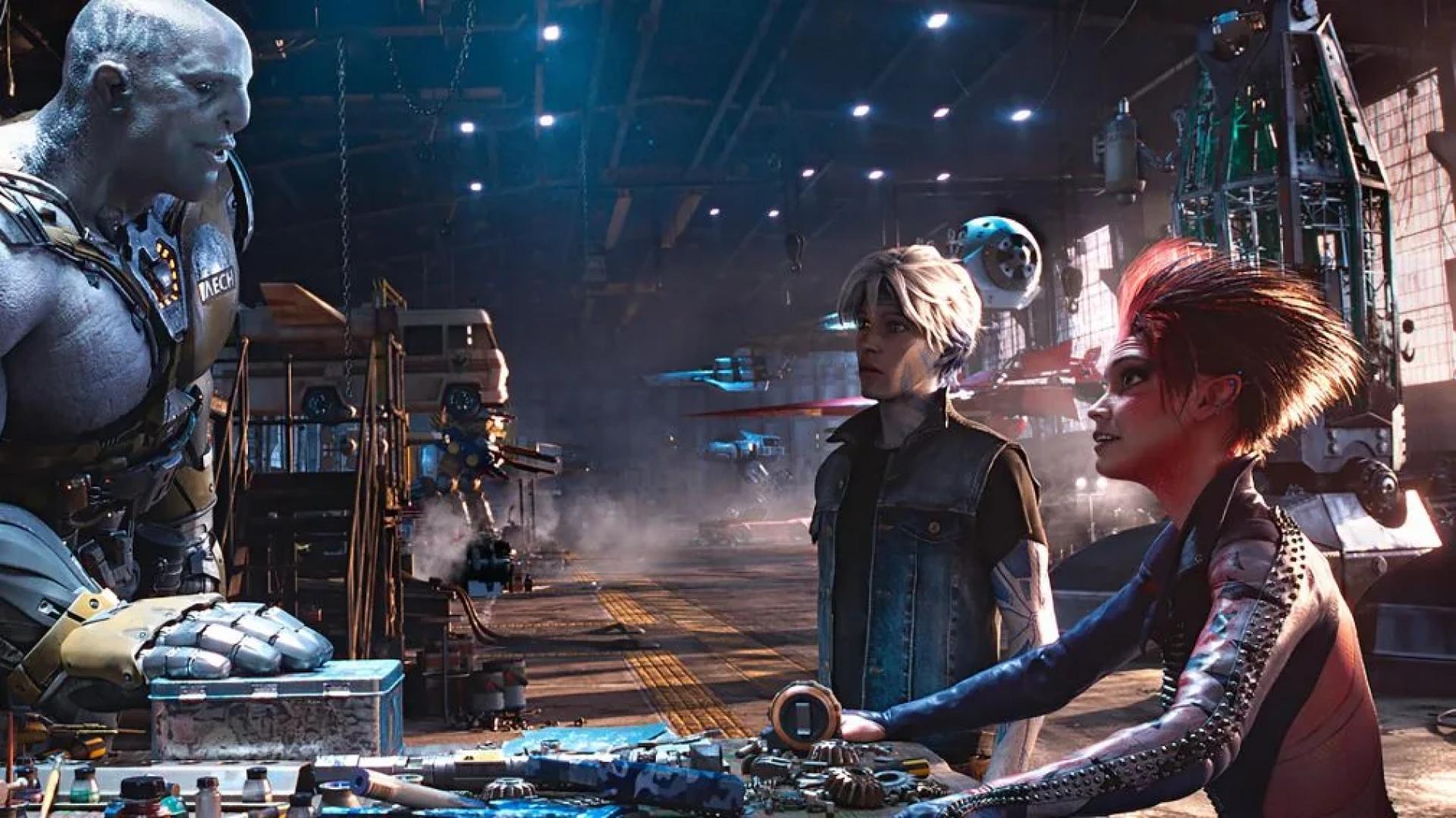
As personalization becomes king in the digital world, 3D sculpting services are emerging as essential tools for crafting meaningful, customized virtual identities. No longer confined to preset characters or basic skins, users are now commissioning hyper-detailed 3D avatars that reflect their personalities, styles, and even cultural heritage.
What Is 3D Avatar Sculpting, Exactly?
3D avatar sculpting is the process of digitally modeling lifelike (or stylized) virtual personas using tools like ZBrush, Blender, or Nomad Sculpt. Artists sculpt everything from facial features to clothing and accessories, creating a completely bespoke character.
Unlike generic avatar builders that offer limited presets, professional 3D sculptors deliver high-quality, rig-ready models with a level of detail that feels alive. This isn’t just character design, it's digital portraiture. And with the rise of blockchain-based platforms and interoperable metaverses, your sculpted avatar can follow you from app to app.
The Rise of Avatars in Web3 Ecosystems
Web3 isn’t just changing finance, it's changing identity. Blockchain technologies now allow users to own and trade their avatars as NFTs (non-fungible tokens), ensuring proof of uniqueness and ownership. In platforms like Decentraland, The Sandbox, or Ready Player Me, your avatar isn’t just a costume it’s an asset.
This shift has created new demand for 3D sculpting services that specialize in Web3-ready avatars. Users want designs that are not only beautiful but also interoperable across metaverses. Sculptors now need to consider technical compatibility alongside aesthetics.
Why Personalized Avatars Matter More Than Ever
In Web2, your identity was your username and profile picture. In Web3, it's your fully interactive digital self. Personalized avatars help people express identity, gender, mood, and even politics in 3D space. In some communities, what you wear or how your avatar is stylized signals status and taste.
Moreover, the avatar becomes a communication tool. It can be humorous, abstract, elegant, or fierce. For streamers, influencers, and digital natives, avatars are the new brand logos. And sculpted by professionals, they become powerful storytelling instruments.
Behind the Scenes: The Craft of Avatar Sculpting
Creating a high-quality avatar is a complex process. First comes concept development, often driven by client references or mood boards. Then the sculptor builds the base mesh, refines the silhouette, and details everything from muscle structure to fabric folds.
Hair strands, tattoos, jewelry, and even micro-expressions are crafted manually. Once the sculpt is complete, it’s retopologized (made game-engine ready), textured, and rigged for animation. The final result is an avatar that moves and emotes naturally a digital twin that feels alive.
Who's Driving the Trend? From Gamers to Celebs
While gamers and streamers were early adopters, today’s clients range from influencers and NFT collectors to Hollywood actors and corporate execs entering the metaverse. Even musicians are commissioning custom avatars for live virtual concerts.
U.S.-based creative studios offering 3D sculpting services are seeing increased demand from tech founders launching DAOs (Decentralized Autonomous Organizations) and fashion brands building digital-only lines. The avatar is becoming the centerpiece of the Web3 wardrobe.
Inclusivity and Cultural Representation in 3D Sculpting
One of the most meaningful benefits of custom avatar sculpting is its potential for inclusive representation. Generic avatar creators often lack hairstyles, skin tones, or body types that reflect the diversity of real-world users. Professional sculptors can fill that gap.
Clients can request avatars that reflect their ethnicity, cultural traditions, disabilities, or unique style preferences. This not only makes the metaverse more welcoming, but it empowers people to see themselves as they truly are or aspire to be.
The Business of Avatar Ownership
Because these avatars are digital assets, they can be bought, sold, or licensed. This means 3D sculptors are also entering the Web3 creator economy. Artists are selling avatar collections as
NFT drops or offering commissioned work on platforms like Manifold, Foundation, and Rarible.
For clients, owning a one-of-one avatar offers bragging rights, social clout, and even resale value. Some avatars are built with utility in mind access to gated communities, metaverse VIP events, or digital art installations. In many ways, owning a unique avatar is like owning wearable art.
The Role of 3D Sculpting Services in a Multi-Metaverse
With dozens of metaverse platforms emerging each with its own engine, style, and technical requirements cross-platform avatar compatibility is becoming critical. Sculptors are adapting by creating avatars in modular formats that can be retextured or rigged for different worlds.
Whether it’s for social VR, immersive learning, virtual concerts, or blockchain games, 3D sculpting services are now central to how users will be seen, recognized, and remembered. As a result, sculptors are working closer than ever with developers, riggers, and NFT tech specialists to meet this demand.
Final Thoughts
We’re entering an era where your avatar isn’t just a profile picture it’s your voice, presence, and passport in the metaverse. As digital life expands, so does the importance of how you show up in those spaces. And in this reality, your avatar is your most personal asset.
For anyone looking to stand out in Web3 whether you're launching a brand, joining a DAO, or just vibing in virtual space, professional 3D sculpting services offer the creative edge you need. These digital artisans are helping build a new kind of identity: one that’s expressive, secure, and ready for the worlds ahead. And if you’re keeping tabs on digital trends like the Persona 5 the phantom x release date Japan you already know how gaming and virtual identity are becoming one and the same. In the future, it won’t be about what you wear, but who sculpted your digital self.