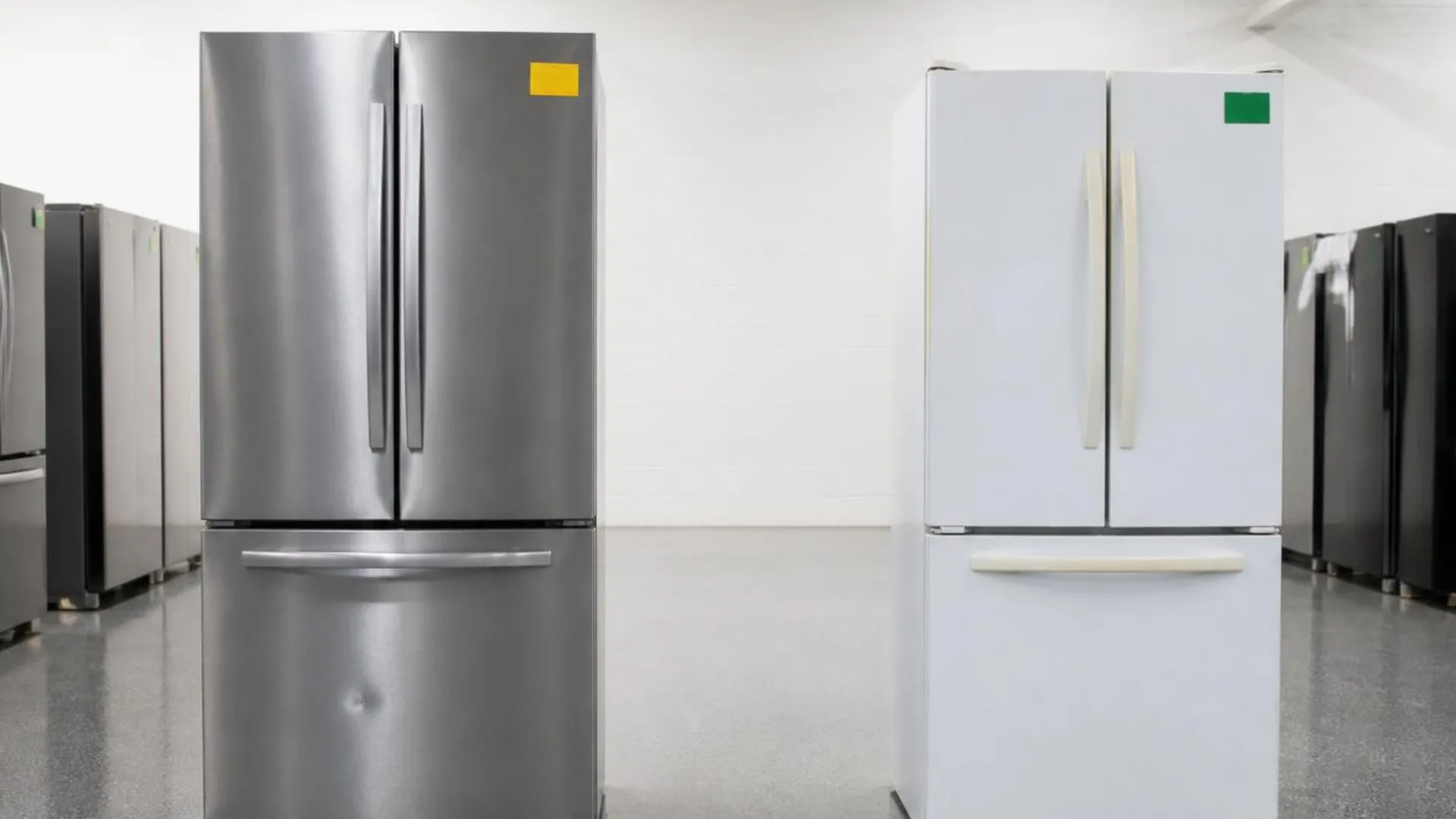
When comparing scratch and dent vs used appliances, scratch and dent wins on total value for most buyers because the savings are real, the mechanical condition is verifiable, and the purchase protection available from a reputable dealer is significantly better than what used appliance transactions typically offer. That is the direct answer. The longer answer, which is the one worth reading, explains exactly why that is true, where the exceptions live, and what we learned from buying both types over the years before we landed on our current approach. We bought used appliances twice. We have bought scratch and dent six times. The comparison is not close, and the reasons behind that gap are worth understanding before you make your next purchase.
What Makes the Two Categories Fundamentally Different
Before comparing prices or savings, it helps to understand what actually separates scratch and dent from used appliances at a structural level. The difference is more significant than most buyers realize.
Scratch and Dent: No Prior Household Use
A scratch and dent appliance has never been installed in a home. It has never run a wash cycle for someone's laundry. It has never stored anyone's groceries. It has never cooked anyone's meals. The unit went from the factory through freight and distribution channels, accumulated cosmetic damage somewhere along that route, and moved into a discount inventory channel.
The mechanical systems inside are in the same state they were when the unit left the factory. The compressor has not cycled through years of household loads. The drum bearings have not worn through thousands of wash cycles. The heating element has not experienced the cumulative thermal stress of years of daily drying. From a mechanical standpoint, you are buying an appliance with zero household use history.
Used Appliances: Unknown Mechanical History
A used appliance has been in someone's home. It has operated through an unknown number of cycles, under unknown load conditions, with unknown maintenance history. It was used until the owner decided to sell it, for reasons that may or may not be disclosed honestly.
This history is the core of what makes used appliances a different and generally higher-risk category. The mechanical condition is a product of everything that happened during that prior ownership period. A used washer from a single adult who ran two small loads per week for three years is a fundamentally different machine than the same model and age sold by a family of five that ran daily full loads. The price tag may be the same. The mechanical wear is not.
Comparing the Actual Savings
The price advantage of used appliances is real, but it is smaller than most people expect when they account for what they are getting alongside each price point.
What Used Appliances Typically Cost
A used top freezer refrigerator from a private seller in acceptable condition typically sells for $150 to $350. A used washer might run $100 to $250. A used dryer $75 to $200. These prices are genuinely low. That is the appeal.
What Scratch and Dent Appliances Typically Cost
A scratch and dent top freezer refrigerator from a reputable dealer with documented condition and a completed operational test typically runs $380 to $580 depending on the brand and damage severity. A scratch and dent washer might run $350 to $650. A matching dryer $300 to $550.
These are higher numbers than the used figures above. But they represent different things.
What the Price Difference Actually Buys
The gap between the used price and the scratch and dent price is not pure savings from the used side. It is a difference in what you are purchasing.
With a scratch and dent unit from a reputable dealer, the price includes:
- Zero household use mechanical history
- Documented cosmetic condition with specifics
- A completed operational test confirming mechanical function
- Warranty status confirmed per unit
A return policy for undisclosed post-delivery issues
With a used appliance from a private seller, the lower price typically comes with:
- Unknown household use and load history
- No independent mechanical assessment
- No operational test documentation
- No remaining warranty in most cases
- No return policy or recourse if an issue appears after the sale
The savings from buying used are real. The risks that come with those savings are also real. Whether the price gap justifies the risk difference is the question worth answering for your specific situation.
When Used Appliances Are the Right Call
We want to be honest about this rather than pretend used appliances are never worth considering.
When Budget Is the Absolute Constraint
For households where the budget ceiling is genuinely below what scratch and dent units from reputable dealers are priced at, used appliances from trusted personal connections may be the only realistic option. A washer from a family member who is upgrading and who you know took care of their appliances is a fundamentally different used purchase than a unit from a stranger with no maintenance history.
Personal connection used purchases carry less risk than anonymous private seller transactions because you have genuine knowledge of how the unit was used. That knowledge is the thing that private sellers almost never provide.
When the Appliance Is for a Temporary or Low-Stakes Situation
A used washer for a rental property where you are replacing a unit that failed and needs something running within 24 hours, expecting to replace it again within a year or two, is a different calculation than equipping a home you plan to live in for a decade. The shorter the expected ownership horizon and the lower the stakes of a failure, the more the math shifts toward use.
When You Have the Skills to Assess Mechanical Condition Independently
If you have genuine appliance repair knowledge or access to someone who does, you can assess used appliances in ways that most buyers cannot. Running a used washer through a full cycle, checking the motor sound during spin, inspecting the door boot seal and drum bearings, and reviewing the pump drainage all provide meaningful condition information to someone who knows what to look for. If you can do that assessment confidently, used appliance risk drops significantly.
Why Scratch and Dent Consistently Wins the Total Value Comparison
When we sit down and honestly compare our experiences buying both types, scratch and dent consistently comes out ahead on total value for one reason that overrides the price differential in most situations.
The outcomes are more predictable.
Every scratch and dent appliance we have bought from a reputable dealer has performed as the documentation said it would. The cosmetic damage was where they said it was. The operational test results reflected the actual function of the unit. The warranty status was accurately represented. When the unit was installed, it worked. None of our purchases from this channel have had a post-installation surprise.
Our used appliance purchases have a different history. One unit we bought from a private seller developed a drain pump issue within six weeks of installation. The seller had not mentioned it because they either did not know it was developing or chose not to disclose it. With no return policy and no documentation, we absorbed the repair cost ourselves. The savings we thought we captured from buying used evaporated and then some.
The second used appliance we bought has actually been fine. It came from a neighbor we trusted and it has run correctly for three years. That purchase worked because the source was trustworthy and the history was known.
The pattern we have observed consistently is that scratch and dent from reputable dealers produces reliable outcomes, and used appliance purchases produce outcomes that range from great to problematic depending almost entirely on how honest and knowledgeable the seller was.
When we purchase through Appliance Shark, the documentation and inspection process remove the element of uncertainty that makes used appliance purchasing frustrating. The outcome is predictable because the process that produced the offer was thorough.
Make the Smarter Choice Between Scratch and Dent vs Used Appliances. Contact Appliance Shark Today
You now know the real difference between scratch and dent vs used appliances. If the evidence points where we think it does, scratch and dent from a reputable source is the choice that delivers better total value for most buyers.
Contact Appliance Shark today, browse their scratch and dent appliance collection now, and find a fully inspected, honestly priced unit that you can feel confident about from the moment it is delivered.
Do you have an appliance that needs repair? Schedule a Book Repair now and let Appliance Shark's certified technicians restore it to full performance with the expertise and care your home depends on.
Frequently Asked Questions
Is scratch and dent always more expensive than used appliances?
At the purchase price level, yes. But the price difference reflects what comes with each option. Scratch and dent from a reputable dealer includes inspection, documentation, operational testing, and return policy protection that used appliances almost never provide.
Can used appliances be as reliable as scratch and dent ones?
They can be, depending on the prior owner's use and maintenance habits. The problem is that you rarely have reliable information about either. Scratch and dent from a verified source removes that uncertainty.
Is there ever a situation where buying used makes more sense than scratch and dent?
Yes. Trusted personal connections, very short-term ownership situations, and cases where someone with real appliance knowledge can independently assess the unit are all scenarios where used appliances can make sense.
Do scratch and dent appliances come with any warranty protection?
Often yes. Many retain the remaining original manufacturer warranty. Always confirm warranty status per unit in writing before any purchase.
What is the single biggest risk difference between scratch and dent and used appliances?
Used appliances have an unknown mechanical history from prior household operation. Scratch and dent appliances have zero prior household operation. That difference in mechanical history is what drives the risk gap between the two categories.