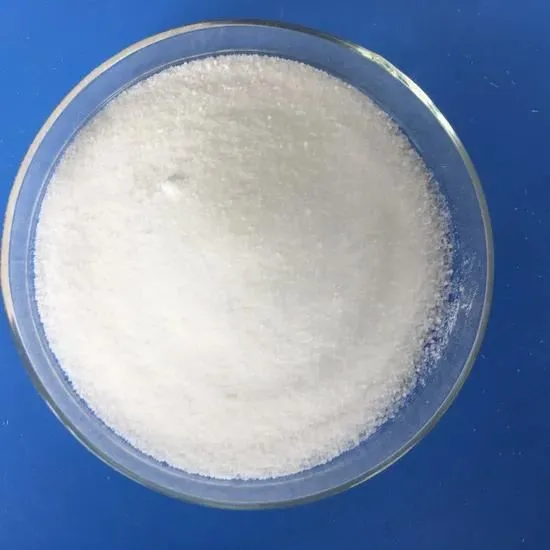
The Molecular Sieve Sales Market
فروش مولکولارسیو — the sale of molecular sieves — is served by a market that includes direct sales from the major global producers, distribution through chemical trading companies and specialty industrial distributors, and in certain regions, local manufacturers whose products serve regional market needs. Understanding how this market is structured, how to identify reliable suppliers, and what to expect from a well-qualified molecular sieve supplier relationship helps industrial buyers develop the supply chain that best serves their operational requirements.
Producer Direct Versus Distribution Channel
Industrial buyers of molecular sieve have two primary sourcing channels: purchasing directly from the zeolite producer, or purchasing through a distributor who stocks and sells product from one or more producers. Direct purchase from producers is generally appropriate for large-volume buyers with stable, predictable consumption that justifies the administrative relationship with a producer, provides the volume leverage needed for competitive direct pricing, and warrants the producer's investment in technical support for the account. Distribution channel purchasing is typically more appropriate for smaller volume buyers, for buyers who need the flexibility to purchase smaller quantities against shorter notice, or for buyers in geographic markets where direct supply logistics from major producers are impractical.
What to Expect From a Qualified Molecular Sieve Supplier
A qualified molecular sieve supplier provides more than simply a product at a price. Technical product knowledge that allows meaningful engagement with the buyer's application requirements and guidance toward the most appropriate product selection is a baseline expectation. Consistent product quality across production batches, backed by certificates of analysis that document key specification parameters for each shipped lot, provides the quality assurance that industrial process control requires. Timely delivery against committed lead times ensures that production operations are not disrupted by supply delays. And responsive customer service that addresses specification questions, delivery issues, and technical inquiries promptly and knowledgeably completes the service profile that a qualified supplier delivers.
Documentation and Compliance Requirements
Industrial buyers of molecular sieve for applications with regulatory compliance requirements should establish documentation expectations with their suppliers as part of the supply relationship. The minimum documentation package for most industrial applications includes certificates of analysis for each shipment lot, material safety data sheets, and product specification sheets. For food contact applications, additional documentation of food additive compliance is required. For pharmaceutical applications, certificates of conformance and GMP documentation may be required. And for export-controlled applications, relevant export compliance documentation should be provided by suppliers.
Evaluating New Molecular Sieve Suppliers
The evaluation of new molecular sieve suppliers for industrial procurement should include a systematic qualification process. Request technical product specifications and compare them against the application requirements. Request samples and conduct performance testing under application-representative conditions. Review certificates of analysis from multiple production batches to assess batch-to-batch consistency. Conduct a supplier assessment that reviews quality management systems, production capacity, and technical support capabilities. And verify references from existing customers in comparable applications before making a final supplier qualification decision.

Managing Molecular Sieve Inventory
Effective management of molecular sieve inventory requires understanding the material's unique storage requirement: sealed, hermetic packaging that prevents premature moisture adsorption from the atmosphere. Molecular sieve stored in opened or damaged packaging will partially saturate with atmospheric moisture, reducing the adsorption capacity available when the sieve is installed in the process system. Buyers should establish storage procedures that maintain packaging integrity, track inventory age and storage conditions, and include inspection of packaging condition as part of incoming material acceptance and periodic inventory review.
After-Sales Support and Technical Service
The best molecular sieve supply relationships include after-sales technical support that helps buyers optimize their molecular sieve system performance. Regeneration procedure guidance that ensures the sieve is fully reactivated at each regeneration cycle. Bed life assessment that helps buyers identify when sieve replacement is needed before performance degradation compromises process output quality. And troubleshooting support that helps diagnose and resolve molecular sieve system performance issues when they arise during operation.