
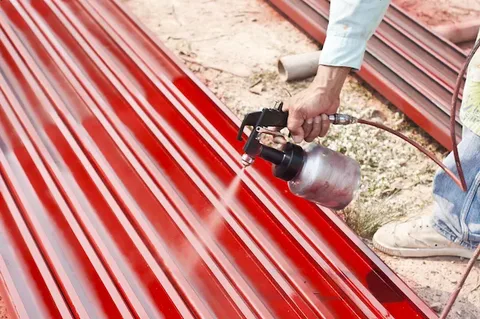
Steel is one of the most widely used materials in construction and manufacturing. It is known for its strength, flexibility, and long life. However, when exposed to moisture and air, steel is prone to rust and corrosion. This can weaken the structure and shorten its lifespan. A simple and cost-effective way to protect steel from damage is by using bituminous paint for steel.
What is Bituminous Paint?
Bituminous paint is a type of black, tar-like coating made from bitumen. Bitumen is a sticky, waterproof substance that comes from crude oil. When used as a paint, it forms a protective film that blocks out water, air, and harmful chemicals. This makes it a great choice for surfaces that are exposed to harsh environments.
When applied to steel, bituminous paint for steel acts as a barrier that prevents moisture and oxygen from reaching the metal surface. This slows down the rusting process and keeps the steel in good condition for a longer time.
Why Use Bituminous Paint on Steel?
Steel structures are often used in outdoor and industrial settings, where they face high levels of humidity, salt, chemicals, and pollutants. These conditions speed up corrosion, especially if the steel is not properly protected.
Here are some key benefits of using bituminous paint for steel:
- Corrosion Resistance: The paint creates a strong waterproof layer that stops rust from forming.
- Chemical Protection: It protects steel from exposure to acids, alkalis, and industrial fumes.
- Cost-Effective: Bituminous paint is affordable and easy to apply, making it a popular choice for both small and large projects.
- Weather Resistance: It holds up well in various weather conditions, from hot sun to heavy rain.
- Long-Lasting: A well-applied bitumen coating can protect steel for many years with minimal maintenance.
Common Applications
Bituminous paint for steel is used in many industries and projects due to its protective properties. Some of the most common applications include:
- Underground and buried steel structures, like pipelines and tanks, to prevent rust caused by soil moisture.
- Bridges and metal railings, which are constantly exposed to air and water.
- Industrial steel equipment in factories and chemical plants.
- Steel roofs and frames of buildings to increase lifespan and reduce maintenance.
- Ship parts and marine structures, where saltwater corrosion is a major concern.
How to Apply Bituminous Paint
The application process for bituminous paint for steel is simple but must be done carefully for best results. The steel surface should be clean, dry, and free from oil, rust, or loose particles. Sometimes, a primer is used before painting to improve adhesion.
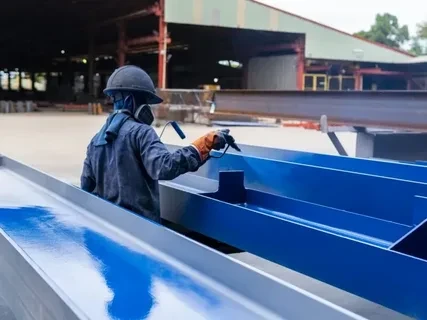
The paint can be applied using a brush, roller, or spray. It’s important to apply it in thin, even coats and allow proper drying time between layers. Usually, two or more coats are recommended for full protection.
Safety measures, such as using gloves and masks, should be followed during application, as bitumen products can have strong fumes.
Conclusion
In conclusion, bituminous paint for steel is a practical and reliable way to protect steel surfaces from rust and environmental damage. Its waterproof and chemical-resistant properties make it suitable for a wide range of industrial and outdoor applications. Whether you are working on a construction site, maintaining metal equipment, or protecting steel structures from the elements, bituminous paint offers a simple yet effective solution that helps extend the life and strength of steel.