Key Takeaways:-
● Professional transfer station management improves waste transportation efficiency and reduces operational costs for municipalities and waste service providers.
● Transfer stations allow waste to be consolidated and transported in larger loads, saving time, fuel, and logistical resources.
● Proper facility oversight improves recycling separation and helps communities divert more materials away from landfills.
● Managed operations to ensure safety, regulatory compliance, and smooth coordination of waste logistics.
● Efficient transfer station systems support sustainable waste infrastructure across Massachusetts.
● FAQs
Waste management is a complex system that requires careful planning, efficient infrastructure, and reliable operations. In Massachusetts, where population density and environmental regulations both play a significant role, managing waste efficiently has become increasingly important. Transfer stations serve as vital hubs within this system, helping communities handle waste in an organized and cost‑effective way. The success of these facilities often depends on professional oversight and operational expertise.
Reliable transfer station management services in MA help municipalities and businesses ensure that waste materials are handled properly, transportation routes remain efficient, and environmental standards are consistently met. As waste volumes grow and sustainability becomes a priority, professional management of transfer stations has become a key factor in improving the performance of the entire waste management network.
Transfer Stations in Modern Waste Systems
Transfer stations are facilities where waste is temporarily collected before being transported to recycling centers, landfills, or processing plants. Instead of sending small collection trucks long distances, waste is consolidated at these facilities and loaded into larger vehicles for long‑distance transport. This process improves efficiency and reduces transportation costs across the waste management system.
When facilities operate under strong transfer station management in Massachusetts, the entire waste logistics process becomes more organized and reliable. Waste is sorted, compacted, and redirected to the proper destinations. Without transfer stations, municipalities would face longer transportation routes, higher fuel costs, and more complicated waste handling processes. These facilities, therefore, act as the backbone of an efficient regional waste management infrastructure.
Why Professional Management Is Essential
Operating a transfer station involves far more than simply receiving and moving waste. Facilities must handle heavy equipment, high volumes of materials, and constant vehicle movement while complying with strict environmental regulations. Without proper supervision and planning, operations can quickly become inefficient or unsafe.
Professional transfer station management services provide the experience and structure required to keep these facilities running smoothly. Skilled managers coordinate waste flow, supervise staff, and ensure that equipment and infrastructure are maintained properly. Their expertise allows transfer stations to operate efficiently even during periods of high waste volume. As a result, municipalities and waste companies can depend on these facilities to maintain consistent service and reliability.
Improving Waste Transportation Efficiency
One of the biggest advantages of transfer stations is the improvement they bring to waste transportation logistics. Collection trucks typically operate within neighborhoods and commercial areas, collecting waste from homes, businesses, and construction sites. If these trucks had to travel long distances to disposal facilities, the entire system would become slow and expensive.
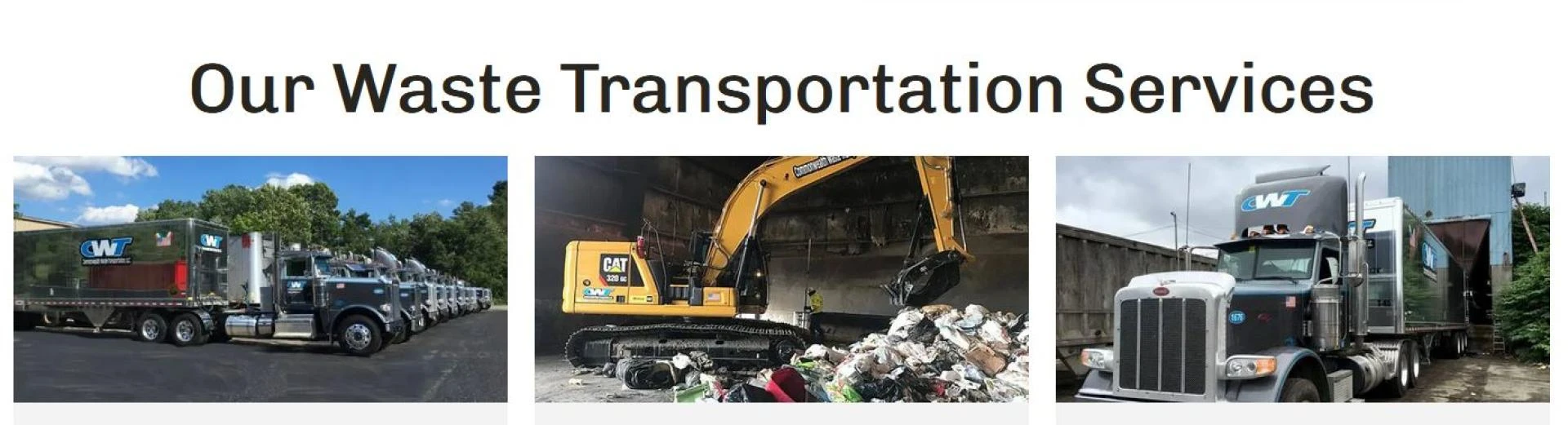
Through professional transfer station management, waste is consolidated at nearby facilities where it can be transferred into larger trailers designed for bulk transportation. These larger vehicles can move significantly more material in a single trip, reducing the total number of journeys required. This approach lowers fuel consumption, decreases traffic congestion from waste trucks, and ultimately reduces operational costs across the waste management network.
Supporting Recycling and Sustainable Waste Practices
Sustainability has become a central focus in modern waste management strategies. Communities across Massachusetts are working to reduce landfill waste and increase recycling rates. Transfer stations play an important role in achieving these goals by providing a location where recyclable materials can be separated from general waste streams.
With experienced transfer station management services in MA, facilities can implement sorting systems that direct recyclable materials such as cardboard, metals, plastics, and construction debris to appropriate recycling facilities. By improving the efficiency of these processes, transfer stations help communities divert large amounts of waste away from landfills. This supports environmental sustainability while also conserving valuable natural resources.
Enhancing Safety and Regulatory Compliance
Waste management facilities must follow strict safety guidelines and environmental regulations. Transfer stations involve heavy machinery, large vehicles, and continuous material handling operations. Without proper management, these environments could pose risks to workers and surrounding communities.
Effective transfer station management in Massachusetts ensures that safety procedures are clearly defined and consistently followed. Facility managers monitor equipment operations, oversee staff training, and maintain compliance with local and federal environmental regulations. These measures help prevent workplace accidents while also ensuring that waste handling practices meet the required legal standards. Safe and compliant operations are essential for maintaining public trust and protecting both workers and the environment.
Supporting Municipal Waste Programs
Municipal governments rely on well-organized waste management systems to keep their communities clean and functional. Residents expect regular waste collection services, and local authorities must deliver these services while staying within budget and meeting environmental goals. Transfer stations help municipalities balance these responsibilities by improving the efficiency of waste transportation and processing.
By working with professional transfer station management services, municipalities gain access to experienced operators who understand the complexities of waste logistics. These professionals help coordinate waste movement, maintain facility operations, and ensure that waste materials are processed correctly. This partnership allows local governments to focus on broader public service responsibilities while still maintaining reliable waste infrastructure.
Technology and Innovation in Transfer Station Operations
Modern waste facilities increasingly rely on technology to improve efficiency and transparency. Digital weighing systems, vehicle tracking tools, and data monitoring platforms allow operators to measure waste volumes and identify operational trends. These tools provide valuable insights that help managers optimize facility performance.
Advanced transfer station management incorporates these technologies to improve decision-making and operational planning. Real‑time data allows facility managers to track waste flow, identify bottlenecks, and adjust operations when necessary. With better information and improved monitoring tools, transfer stations can handle waste more efficiently and respond quickly to changing demands within the waste management system.
Environmental Benefits of Professional Management
Efficient transfer station operations have a direct impact on environmental protection. Waste transportation generates emissions, and improper waste handling can lead to pollution or resource loss. By improving logistics and waste sorting processes, professionally managed transfer stations reduce these environmental risks.
Through structured transfer station management services in MA, facilities can minimize unnecessary transportation trips and maximize recycling opportunities. Consolidated waste loads reduce fuel consumption and lower greenhouse gas emissions from transportation. At the same time, better sorting processes ensure that recyclable materials are recovered and reused rather than buried in landfills. These environmental benefits contribute to a cleaner and more sustainable waste management system.
FAQs
What are transfer station management services?
Transfer station management services involve overseeing the daily operations of waste transfer facilities, including waste sorting, transportation coordination, safety monitoring, and regulatory compliance.
Why are transfer stations important in Massachusetts?
Transfer stations help reduce transportation distances, improve recycling processes, and create a more efficient waste logistics system across cities and towns in Massachusetts.
How do professional transfer station managers improve efficiency?
Professional managers coordinate waste flow, maintain equipment, supervise staff, and implement operational strategies that streamline waste handling and transportation.
Who benefits from transfer station management services?
Municipalities, construction companies, commercial businesses, and waste management providers benefit from improved logistics, cost savings, and reliable waste processing.
Transfer stations may not always be visible to the public, but their impact on waste management efficiency is significant. Partner with Commonwealth Waste Transportation, LLC today for reliable transfer station management, efficient waste logistics solutions, and trusted professional waste services. Contact them now via call (978) 265-4482 for professional service.