Roadshow video production has become a key part of how companies communicate with investors, partners, and stakeholders during important financial events. Whether it is for an IPO, fundraising round, or major corporate announcement, a well-produced roadshow video helps present complex business information in a clear, engaging, and consistent format. It is not just about visuals—it is about delivering a strong message that builds trust and confidence.
What Is Roadshow Video Production?
Roadshow video production refers to the process of creating a professional video used during investor presentations across multiple locations or digital platforms. These videos are designed to explain a company’s business model, financial performance, and growth strategy in a structured way.
Unlike traditional presentations, a video ensures that the message remains consistent every time it is shown. This is especially important when companies meet different investors in different regions.
Importance in Modern Business Communication
In today’s fast-paced investment environment, attention spans are short and competition is high. Investors often review multiple opportunities in a limited time. A roadshow video helps companies stand out by presenting their story in a visually appealing and easy-to-understand format.
It also reduces the risk of miscommunication. Instead of relying only on verbal presentations, companies can use video to ensure that key messages are delivered clearly and effectively.
Understanding the Objective
Before starting production, it is essential to define the purpose of the roadshow video. This includes identifying the target audience, key messages, and desired outcomes.
Some common objectives include:
- Attracting investor interest
- Explaining financial performance
- Highlighting market opportunities
- Building brand credibility
Having a clear objective helps guide the entire production process.
Research and Content Development
The foundation of any successful roadshow video is strong content. This begins with detailed research about the company, its industry, and its competitors.
The production team works closely with company stakeholders to gather information about:
- Business operations
- Revenue and growth trends
- Unique selling points
- Future plans
This information is then shaped into a clear and structured narrative that will form the backbone of the video.
Script Writing and Storyboarding
Once the content is finalized, the next step is script writing. The script translates complex data into simple, engaging language that investors can easily understand.
A typical script includes:
- Company introduction
- Market overview
- Business strengths
- Financial highlights
- Growth strategy
Storyboarding follows the script. It outlines how each part of the story will be visually presented, helping ensure that the video flows smoothly.
Pre-Production Planning
Pre-production is where all logistical details are finalized. This stage ensures that the filming process runs efficiently.
Key activities include:
- Selecting shoot locations
- Scheduling interviews
- Arranging equipment and crew
- Planning visual elements and graphics
Proper planning helps avoid delays and ensures high-quality results.
Filming and Production
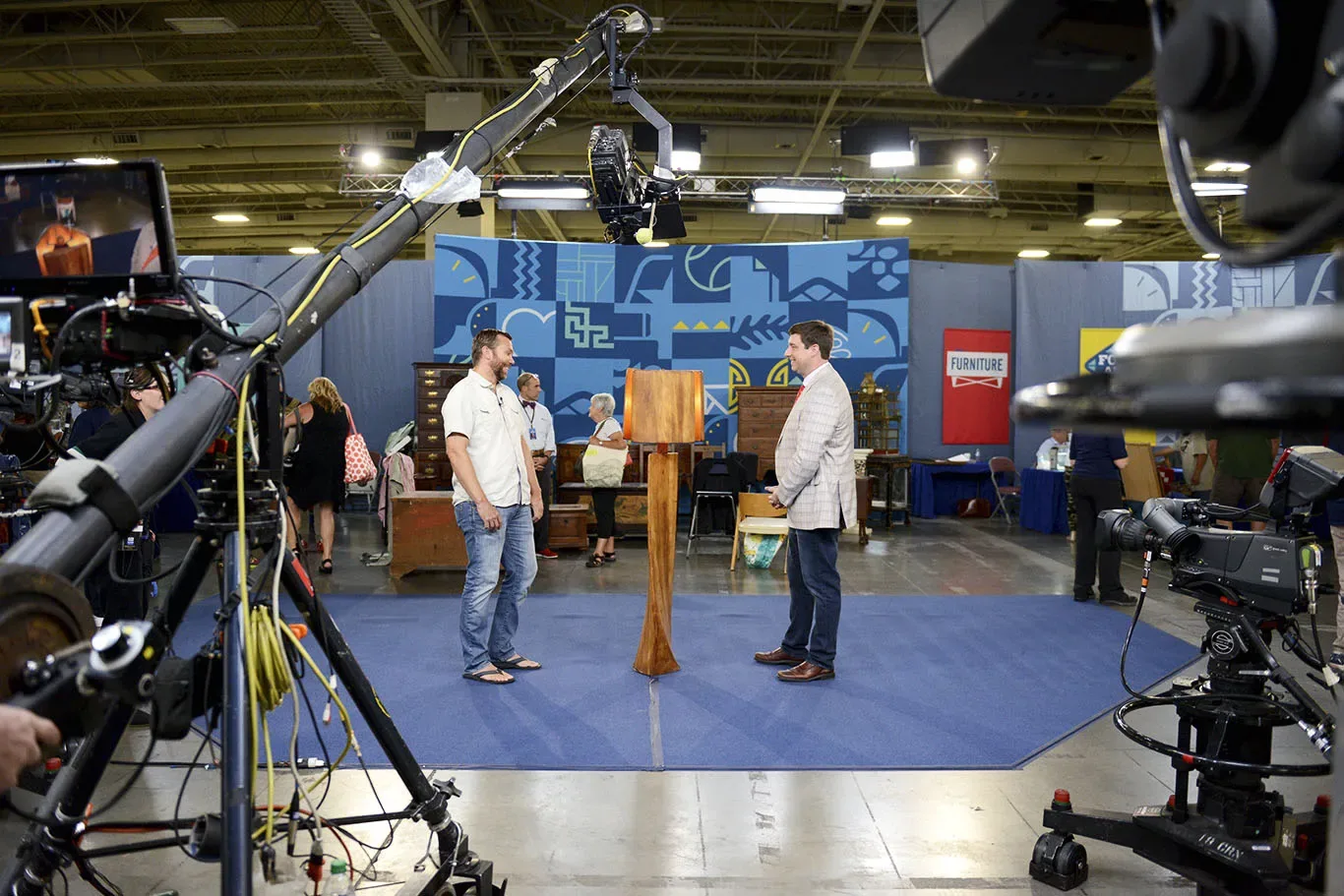
During the production phase, the video is brought to life through filming. This typically includes interviews with company leaders, shots of operations, and visuals that represent the brand.
Professional filming techniques are used to maintain a high standard of quality. Lighting, camera angles, and sound recording all play a crucial role in creating a polished final product.
Authenticity is important. Investors want to see real people and real operations, not just staged visuals.
Motion Graphics and Data Visualization
Financial data is a central part of any roadshow video. However, presenting numbers alone can be overwhelming.
Motion graphics help simplify this information. Charts, graphs, and animated visuals make it easier for viewers to understand key metrics such as revenue growth, market share, and future projections.
These elements add clarity and keep the audience engaged.
Editing and Post-Production
After filming is complete, the footage is edited into a cohesive video. This is where all elements come together.
Post-production includes:
- Editing video clips
- Adding music and voiceovers
- Integrating graphics
- Enhancing visuals through color correction
The goal is to create a smooth, engaging video that effectively communicates the intended message.
Review and Approval Process
Before the video is finalized, it goes through multiple rounds of review. This ensures that all information is accurate and aligned with company goals.
Feedback is typically collected from:
- Senior management
- Investor relations teams
- Legal and compliance departments
Any necessary revisions are made to ensure the video meets all requirements.
Distribution and Usage
Once completed, the roadshow video is used across various platforms. It can be presented during investor meetings, shared online, or included in digital presentations.
Different versions of the video may be created to suit different audiences or formats. This flexibility makes it a valuable communication tool.
Benefits of Professional Production
Working with experienced production teams can significantly improve the quality and effectiveness of a roadshow video. Professionals understand how to balance storytelling with financial communication, ensuring that the video is both engaging and informative.
They also bring technical expertise, creative direction, and industry knowledge to the project, resulting in a more impactful final product.
Common Mistakes to Avoid
One common mistake is including too much information. This can make the video difficult to follow. It is better to focus on key points and present them clearly.
Another issue is poor production quality, which can negatively affect investor perception. Consistency, clarity, and professionalism should always be priorities.
Conclusion
Roadshow video production is a powerful way for companies to communicate with investors in a clear and engaging manner. It combines storytelling, visuals, and financial insights to create a compelling narrative that supports business goals.
As investment landscapes continue to evolve, the importance of effective communication will only grow. A well-crafted roadshow video not only simplifies complex information but also builds trust and confidence among investors, making it an essential tool for successful corporate presentations.