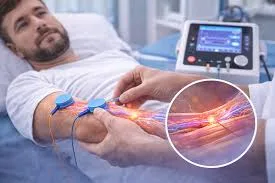
Peripheral nerve repair is a critical area of medicine focused on restoring function after damage to nerves outside the brain and spinal cord. These nerves play a vital role in transmitting signals between the central nervous system and the rest of the body, enabling movement, sensation, and autonomic functions. When they are injured due to trauma, disease, or surgical complications, the consequences can range from mild numbness to complete loss of motor function. Over the past decades, advances in science and technology have significantly improved the outcomes of peripheral nerve repair, yet challenges remain.
Understanding Peripheral Nerve Injuries
Peripheral nerves are complex structures composed of axons, connective tissue, and blood vessels. Injury can occur through laceration, compression, stretching, or ischemia. Clinically, nerve injuries are often classified using the Seddon or Sunderland systems, which describe the severity based on the extent of structural damage.
Mild injuries, such as neurapraxia, involve temporary conduction block without structural disruption. More severe forms, like axonotmesis and neurotmesis, involve damage to axons and surrounding connective tissue, often requiring intervention. The body has some capacity for self-repair, particularly in less severe injuries, but functional recovery is not always complete.
Biological Basis of Nerve Regeneration
Unlike neurons in the central nervous system, peripheral nerves have a limited ability to regenerate. After injury, a process called Wallerian degeneration occurs, where the distal portion of the damaged nerve degenerates. Schwann cells, which support nerve fibers, play a crucial role in regeneration by clearing debris and forming a pathway for new axonal growth.
Axons regenerate at a slow rate—typically about 1 to 3 millimeters per day—making recovery a lengthy process. Successful regeneration depends on several factors, including the extent of injury, patient age, and the distance between nerve ends. Misalignment or scar tissue can hinder proper reconnection, leading to incomplete recovery.
Surgical Approaches to Peripheral Nerve Repair
Surgery is often required for severe nerve injuries. The primary goal is to reconnect the nerve ends and create an environment conducive to regeneration. Several techniques are used depending on the nature and extent of the injury.
Direct Nerve Repair
In cases where the nerve ends can be brought together without tension, direct suturing is performed. Microsurgical techniques allow precise alignment of nerve fascicles, improving the chances of functional recovery.
Nerve Grafting
When there is a gap between nerve ends, grafts are used to bridge the defect. Autografts, taken from the patient’s own body (often the sural nerve), are considered the gold standard. However, they require sacrificing a healthy nerve, which can lead to donor-site morbidity.
Nerve Conduits and Tubes
Synthetic or biological conduits are increasingly used as alternatives to autografts. These tubes guide regenerating axons across the gap and can be engineered to release growth factors or support cells. While promising, they are generally more effective for small gaps.
Nerve Transfers
In some cases, a nearby healthy nerve is redirected to restore function to a denervated area. This technique is particularly useful when the original nerve cannot be repaired effectively or when time is critical.
Emerging Technologies and Innovations
The field of peripheral nerve repair has seen rapid innovation, driven by advances in bioengineering, molecular biology, and regenerative medicine.
Tissue Engineering
Researchers are developing bioengineered scaffolds that mimic the natural structure of nerves. These scaffolds can be seeded with Schwann cells or stem cells to enhance regeneration. Materials such as collagen, silk, and biodegradable polymers are commonly used.
Stem Cell Therapy
Stem cells therapy offer the potential to differentiate into nerve-supporting cells and release growth factors that promote healing. Clinical trials are ongoing to determine their safety and effectiveness in nerve repair.
Growth Factors and Gene Therapy
Growth factors such as nerve growth factor (NGF) and brain-derived neurotrophic factor (BDNF) are essential for nerve survival and regeneration. Delivering these factors directly to the injury site, either through biomaterials or gene therapy, is an active area of research.
Electrical Stimulation
Electrical stimulation has been shown to accelerate nerve regeneration by enhancing axonal growth and improving muscle reinnervation. Devices designed to deliver controlled stimulation are being explored for clinical use.
Rehabilitation and Functional Recovery
Surgical repair is only one part of the recovery process. Rehabilitation plays a crucial role in maximizing functional outcomes. Physical therapy helps maintain muscle strength and prevent joint stiffness, while occupational therapy focuses on restoring daily activities.
Sensory re-education is also important, as the brain must relearn how to interpret signals from regenerated nerves. This process can take months or even years, depending on the severity of the injury.
Challenges in Peripheral Nerve Repair
Despite significant progress, several challenges persist. One major issue is the slow rate of nerve regeneration, which can lead to muscle atrophy before reinnervation occurs. Additionally, achieving precise alignment of nerve fibers remains difficult, often resulting in incomplete functional recovery.
Scar formation and inflammation can create a hostile environment for regeneration. Moreover, outcomes vary widely among patients, making it difficult to predict success. Access to specialized surgical care and rehabilitation services can also be limited in some regions.
Future Directions
The future of peripheral nerve repair lies in a multidisciplinary approach that integrates surgery, biology, and engineering. Personalized medicine, where treatments are tailored to individual patients based on genetic and clinical factors, is expected to play a growing role.
Advances in imaging techniques may allow for better assessment of nerve injuries and more precise surgical planning. Artificial intelligence is also being explored to predict outcomes and optimize treatment strategies.
Collaboration between researchers, clinicians, and industry will be essential to translate laboratory discoveries into clinical practice. As new therapies are developed and refined, the goal remains clear: to restore function and improve quality of life for patients with nerve injuries.
Conclusion
Peripheral nerve repair is a dynamic and evolving field that holds great promise for patients suffering from nerve damage. While traditional surgical techniques remain the cornerstone of treatment, emerging technologies are opening new avenues for improved outcomes. Continued research and innovation are essential to overcome existing challenges and unlock the full potential of nerve regeneration. With ongoing advancements, the prospect of fully restoring nerve function is becoming increasingly attainable.