In the fast-paced world of modern dining, efficiency, accuracy, and customer satisfaction have become the pillars of a successful restaurant. Whether it’s a fine-dining establishment, a bustling café, or a quick-service restaurant, the way orders are taken, tracked, and processed can make or break the customer experience. Enter the EPOS system for restaurant—a technological game-changer that has redefined how restaurants operate, streamline their services, and enhance their revenue.
Understanding the EPOS System
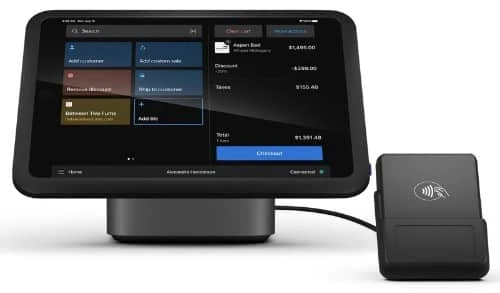
An EPOS system, short for Electronic Point of Sale, is far more than just a digital cash register. It integrates hardware and software to manage every aspect of restaurant transactions. From taking customer orders and processing payments to tracking inventory and analyzing sales data, an EPOS system provides a comprehensive solution for restaurant management. Unlike traditional point-of-sale systems, modern EPOS solutions operate on cloud-based platforms, offering mobility, scalability, and real-time updates.
Restaurants adopting EPOS systems experience a transformative effect on daily operations. For instance, servers can input orders directly into a tablet, which instantly communicates with the kitchen. This reduces errors, speeds up service, and ensures that customers receive their meals exactly as ordered. Beyond efficiency, an EPOS system provides valuable insights that can shape business strategies and marketing campaigns.
Streamlining Operations in a Restaurant
One of the most significant advantages of an EPOS system is its ability to streamline restaurant operations. In busy dining environments, the traditional manual methods of recording orders and calculating bills can lead to mistakes, delays, and frustrated customers. With an EPOS system, every transaction is automated, minimizing human error.
Inventory management becomes significantly easier. The system can monitor stock levels in real-time, alerting managers when ingredients are running low. This not only prevents shortages but also helps reduce food waste—a critical concern for sustainable restaurant operations. For restaurants that offer daily specials or seasonal menus, updating offerings across all terminals can be done in seconds, ensuring consistency and accuracy in every order.
Moreover, an EPOS system improves staff productivity. Servers spend less time taking orders manually and more time engaging with customers. Kitchen staff receive precise order details instantly, reducing confusion and speeding up meal preparation. Even back-office tasks, such as payroll management and shift scheduling, can be integrated within the system, creating a seamless workflow from front-of-house to back-of-house operations.
Enhancing Customer Experience
In the restaurant industry, customer experience is everything. An EPOS system allows establishments to offer a level of service that modern diners expect. Faster service, accurate orders, and flexible payment options all contribute to a positive experience.
Table-side ordering tablets, for example, empower customers to browse menus, customize their meals, and send their orders directly to the kitchen. Contactless payment options provide convenience and security, especially important in the post-pandemic era. Loyalty programs and personalized offers can be easily managed through the EPOS system, encouraging repeat visits and building strong relationships with diners.
An often-overlooked benefit is data-driven insights into customer preferences. By analyzing order patterns, restaurants can identify popular dishes, peak dining hours, and even individual customer habits. This information allows managers to tailor marketing strategies, optimize menu design, and make informed business decisions that enhance the overall dining experience.
The Financial Advantages of Implementing an EPOS System
Investing in an EPOS system offers tangible financial benefits that go beyond operational efficiency. First, the accuracy of the system reduces costly mistakes in orders and billing, protecting profit margins. Second, real-time inventory tracking helps restaurants control food costs, prevent overstocking, and minimize waste.
Sales data generated by the EPOS system provides actionable insights for revenue growth. Managers can identify best-selling items, seasonal trends, and underperforming dishes. By adjusting menus, pricing strategies, and promotions based on these insights, restaurants can increase profitability and optimize resources.
Another financial advantage is the ability to integrate with online ordering and delivery platforms. With the rise of food delivery apps and takeout demand, EPOS systems can synchronize in-house and online orders, ensuring a smooth process and preventing lost sales. Additionally, detailed reports on employee performance, sales trends, and customer behavior allow owners to make strategic decisions that drive long-term growth.
Selecting the Right EPOS System for Your Restaurant
Choosing the right EPOS system requires careful consideration of your restaurant’s unique needs. The ideal system should be user-friendly, scalable, and customizable. It should support various payment methods, integrate with existing accounting software, and provide robust reporting features.
Cloud-based EPOS systems are increasingly popular due to their flexibility and mobility. These systems allow restaurant owners to access sales data, manage inventory, and monitor performance from anywhere with an internet connection. On-premise solutions, however, may be preferable for establishments with limited internet access or specific security requirements.
Training staff on the EPOS system is critical for maximizing its benefits. The system should be intuitive, but proper onboarding ensures that all employees understand how to use it efficiently. Many vendors offer training, customer support, and software updates, making the transition smoother and minimizing disruptions to daily operations.
Overcoming Challenges and Ensuring Security
While EPOS systems offer numerous advantages, restaurants must be aware of potential challenges. Implementation costs, staff adaptation, and technical glitches can pose hurdles. However, these issues are manageable with careful planning, adequate training, and choosing a reliable EPOS provider.
Security is another crucial consideration. Modern EPOS systems handle sensitive customer information, including payment details. Ensuring data encryption, secure user access, and compliance with industry standards is essential to protect both customers and the restaurant. Regular software updates and monitoring further enhance security and prevent breaches that could damage reputation and trust.
The Future of EPOS in the Restaurant Industry
The future of EPOS systems in restaurants is bright, driven by advancements in technology and evolving consumer expectations. Artificial intelligence, machine learning, and predictive analytics are becoming integral features, allowing restaurants to anticipate demand, optimize staffing, and personalize marketing campaigns.
Integration with mobile apps, contactless payment solutions, and digital menus will continue to enhance convenience for diners. Furthermore, sustainability initiatives can be supported through detailed tracking of food waste, energy usage, and supply chain management, aligning with modern consumers’ growing environmental consciousness.
Restaurants that adopt cutting-edge EPOS technology gain a competitive edge, offering a seamless dining experience, efficient operations, and data-driven growth strategies. From small cafés to large chains, the EPOS system is no longer just a tool for processing transactions—it is a central hub for restaurant management and innovation.
Conclusion
In today’s dynamic restaurant environment, adopting an EPOS system is no longer optional—it is essential. It revolutionizes operations, improves customer satisfaction, and provides valuable insights that drive profitability. With its ability to streamline workflows, enhance the dining experience, and support informed decision-making, an EPOS system empowers restaurant owners to focus on what truly matters: creating memorable experiences for their customers while growing a thriving business.
For restaurants aiming to stay ahead of the competition, embracing EPOS technology is the smart choice. It is not merely a point-of-sale system; it is the backbone of modern restaurant management, paving the way for efficiency, innovation, and success.