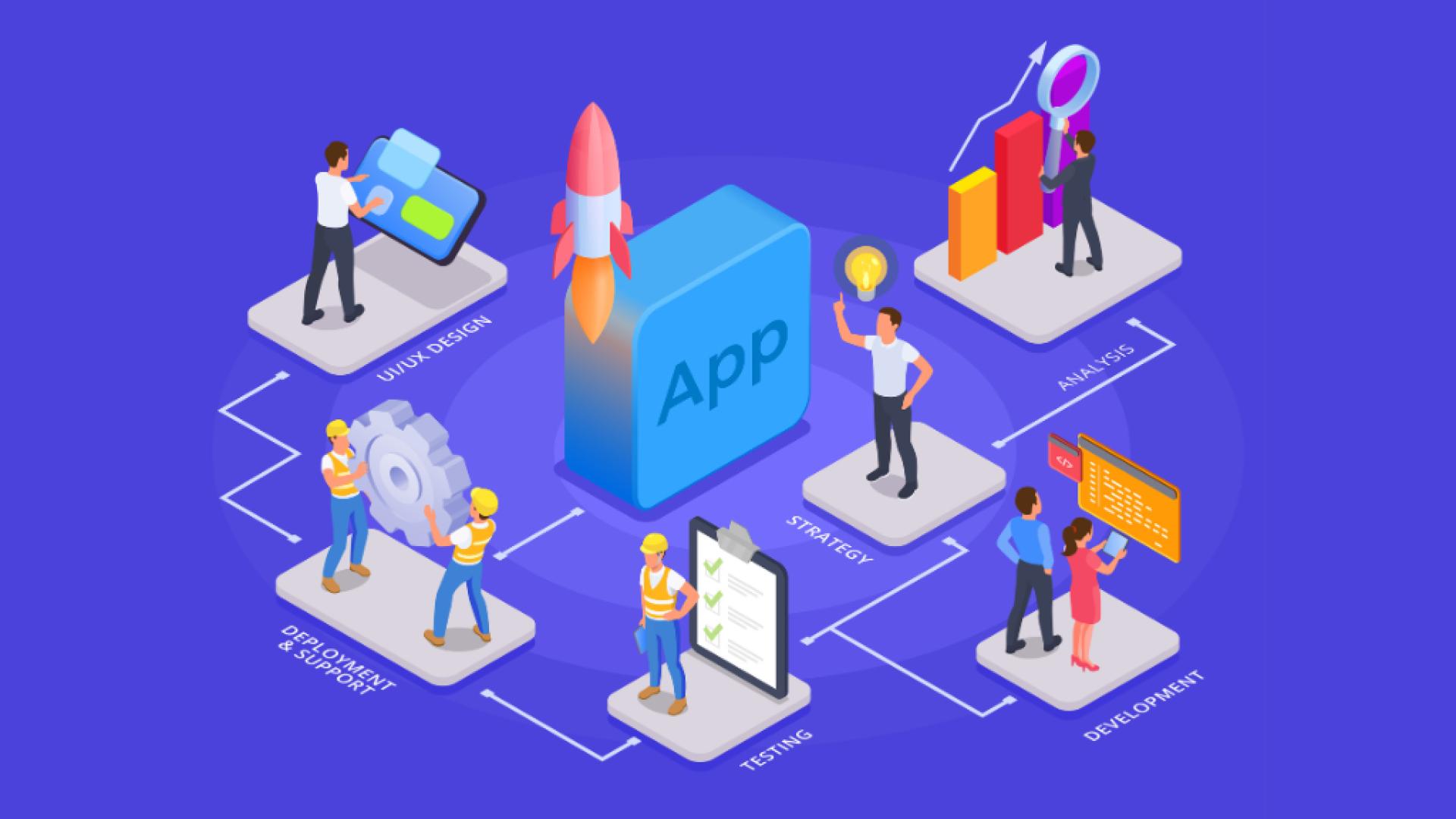
Enterprise Application Development Services provide the technical backbone necessary for organizations to streamline processes, enhance customer experiences, and drive innovation. From automating workflows to integrating data across departments, these services enable businesses to harness the full potential of modern technologies.
This article explores the scope, benefits, and trends in enterprise application development and how businesses can leverage it to achieve operational excellence.
What is Enterprise Application Development?
Enterprise application development refers to the creation of robust, scalable, and secure software applications that meet the specific needs of large organizations. These applications are built to handle complex workflows, large volumes of data, and high user traffic, while ensuring security and compliance.
Enterprise applications can include:
- Enterprise Resource Planning (ERP)
- Customer Relationship Management (CRM)
- Human Resource Management Systems (HRMS)
- Supply Chain Management (SCM)
- Business Intelligence and Analytics Platforms
- Custom internal tools
Unlike consumer apps, enterprise applications are mission-critical and require a higher degree of reliability, integration, and scalability.
Core Features of Enterprise Applications
Enterprise apps are designed to support the intricacies of large-scale operations. Common features include:
- Scalability: Designed to support thousands of users and vast datasets.
- Security: Implements robust authentication, data encryption, and compliance protocols.
- Integration: Connects with existing databases, APIs, and third-party tools.
- Customizability: Tailored to fit unique business processes and goals.
- Automation: Reduces manual tasks to boost productivity.
Real-Time Reporting: Offers dashboards and insights for informed decision-making.
Benefits of Enterprise Application Development Services
- Increased Operational Efficiency
- Automating routine tasks minimizes human error and saves time.
- Applications streamline workflows and reduce bottlenecks.
- Better Decision-Making
- Real-time analytics and reports help leaders make data-driven decisions.
- Integration with AI and ML enhances forecasting and strategy planning.
- Enhanced Collaboration
- Centralized platforms improve team coordination across departments.
- Cloud-based solutions enable remote work and information sharing.
- Improved Customer Experiences
- CRM and service applications allow personalized customer interactions.
- Faster response times and integrated support systems increase customer satisfaction.
- Cost Savings
- Reduces overhead through process optimization.
- Prevents duplication of work and data silos.
- Scalability and Flexibility
- Applications grow with the business, handling increasing workloads.
- Modular architectures allow easy feature upgrades and expansions.
Types of Enterprise Application Development Services
- Tailored solutions built from scratch based on specific business requirements.
- Offers complete control over functionality, UI/UX, and scalability.
- Mobile Enterprise Applications
- Enables employees and customers to access services via smartphones or tablets.
- Essential for businesses adopting remote or hybrid work models.
- Web-Based Enterprise Applications
- Browser-accessible apps that are cost-effective and easier to deploy.
- Ideal for CRM systems, e-commerce portals, and HR tools.
- Cloud-Based Applications
- Built and deployed on platforms like AWS, Azure, or Google Cloud.
- Offers high availability, disaster recovery, and lower infrastructure costs.
- Third-Party System Integration
- Ensures seamless connectivity between existing enterprise software like SAP, Salesforce, or Oracle.
- Prevents data duplication and enhances cross-platform communication.
- Maintenance and Support Services
- Adapts applications to evolving business and technology needs.
- Continuous monitoring, bug fixing, and updating to ensure smooth operation.
Modern Technologies Powering Enterprise Applications
- Artificial Intelligence (AI) & Machine Learning (ML)
- Enhances automation, predictive analytics, and customer personalization.
- Blockchain
- Improves security and transparency, especially in finance and logistics.
- Internet of Things (IoT)
- Connects devices for real-time data collection and operational automation.
- Robotic Process Automation (RPA)
- Automates repetitive tasks in finance, HR, and customer service.
- Big Data Analytics
- Uncovers patterns and insights from massive data sets.
- Low-Code/No-Code Platforms
Accelerates development time and empowers non-technical users to build applications.
Challenges in Enterprise Application Development
Despite its advantages, enterprise app development comes with challenges:
- Complex Requirements: Large businesses often have layered processes that are hard to digitize.
- Legacy System Integration: Connecting old systems with new applications can be time-consuming.
- Security Concerns: Protecting sensitive corporate and customer data is crucial.
- Change Management: Getting staff to adapt to new systems can be difficult.
- High Development Costs: Custom solutions often require significant upfront investments.
To overcome these, businesses must work with experienced development partners who understand both the technical and operational aspects of enterprise solutions.
Best Practices for Successful Enterprise Application Development
- Define Clear Objectives
- Understand what problem the application will solve and set measurable goals.
- Choose the Right Tech Stack
- Use technologies that align with business goals, budget, and scalability needs.
- Involve Stakeholders
- Gather inputs from end-users, management, and IT teams early in the process.
- Prioritize User Experience
- Ensure the UI is intuitive and the UX supports business workflows seamlessly.
- Implement Agile Methodology
- Break development into sprints for continuous improvement and faster delivery.
- Focus on Security and Compliance
- Incorporate industry-specific regulations and data protection standards from day one.
- Plan for Integration
Ensure the new application can work with existing systems without disruption.
Future of Enterprise Application Development
The future of enterprise applications lies in hyper-automation, AI-driven decision-making, and real-time adaptability. Businesses are shifting toward composable architectures that allow plug-and-play modules, reducing time to market and increasing flexibility.
Moreover, the rise of decentralized applications (dApps) and edge computing will further redefine how enterprise systems operate in distributed environments. Companies that invest in innovation-focused development now will be better positioned for long-term growth.
Conclusion
Enterprise application development services are more than a technological upgrade—they are a strategic enabler for digital transformation. Whether it's optimizing internal operations, enhancing customer engagement, or driving innovation, the right enterprise application can redefine how a business functions.
To succeed, organizations must partner with skilled developers, embrace modern technologies, and maintain a future-focused mindset. With the right approach, enterprise apps can unlock unprecedented efficiencies, agility, and growth potential in the digital era.