As children progress through their preschool years, conversations among parents naturally turn toward primary school readiness. In growing South Auckland communities such as Pukekohe, parents often wonder whether their child will adapt smoothly to the academic and social expectations of the primary school classroom. However, widespread misconceptions persist regarding what true school readiness entails, leading many to believe that preschool should mimic formal primary school through repetitive academic drills.
Modern developmental science paints a remarkably different picture. Research affirms that early academic performance is heavily underpinned by executive function, emotional self-regulation, and fundamental self-help capabilities. A child who can confidently manage their belongings, articulate their needs, resolve minor conflicts with peers, and focus on collaborative tasks will acquire reading and arithmetic skills far more swiftly than a child who has merely memorized letter flashcards in an atmosphere of stress.
Foundational Executive Function Through Purposeful Play
Executive function comprises the cognitive processes that enable children to plan, focus attention, remember instructions, and balance multiple tasks successfully. These crucial mental muscles do not develop through worksheets; they are forged through complex, imaginative play and open-ended exploration.
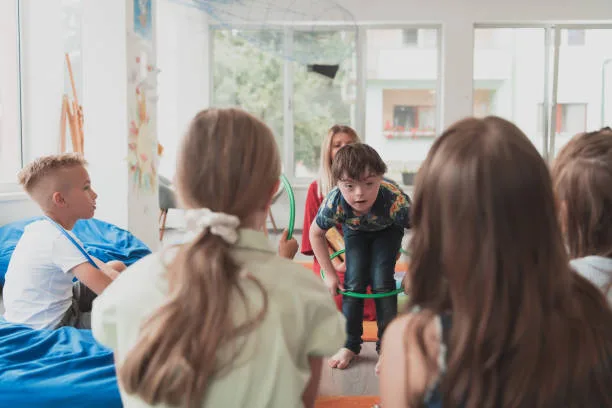
When children engage with rich materials at a leading Childcare Centre Pukekohe, educators intentionally introduce challenges that promote sustained critical thinking. For example, collaborating to build an elaborate wooden railway network requires children to visualise spatial layouts, negotiate roles, test balance, and persist when tracks derail. Through these immersive play experiences, educators scaffold learning by asking thoughtful open-ended questions, encouraging children to evaluate outcomes and generate creative solutions independently.
These cognitive explorations naturally integrate early numeracy and spatial geometry. As children sort blocks by dimension, measure timber tracks, and count foundation pillars, mathematical concepts come to life organically. Play-based inquiry ensures that children do not merely memorise numbers, but genuinely comprehend quantitative relationships through tactile discovery.
Mastering Self-Help Routines and Practical Independence
One of the most noticeable differences between early childhood environments and primary school classrooms is the level of personal autonomy required of the child. In a primary classroom, teachers manage larger groups, making it essential that children possess foundational self-help skills. Children must be able to open lunchboxes, unpack backpacks, manage personal hygiene, and put on footwear with minimal adult intervention.
Exceptional preschool programmes incorporate these practical self-help routines into daily life. Rather than having adults complete tasks on their behalf, children are given the time, encouragement, and guidance necessary to master everyday skills. Learning to fasten an apron, pour water from a small jug, or tidy up an activity station fosters an authentic sense of agency. When children enter primary school possessing practical self-reliance, they approach new learning environments with confidence rather than helplessness.
Mealtime independence represents another critical developmental milestone. Preschoolers participate in designated lunchbox days where they practice unzipping cooler bags, peeling fruit, and handling reusable food containers. These simple routines dismantle anxiety, ensuring that lunchtime in a busy primary school playground feels completely routine and stress-free. Children also learn to manage waste responsibly by sorting organic food scraps into compost bins. This practical routine reinforces environmental awareness while building pride in classroom citizenship.
Cultivating Emotional Self-Regulation and Social Fluency
The social landscape of the primary school playground is dynamic and complex. To navigate this setting comfortably, children require strong emotional self-regulation and empathetic communication skills. They must learn to recognise their own emotional states, express frustration constructively, take turns, and respect personal boundaries.
Families seeking the Best Daycare Auckland has to offer should look for educational environments that actively teach emotional literacy. Skilled educators assist children in identifying their feelings using descriptive language, validating their emotions while teaching peaceful strategies for conflict resolution. Through collaborative group games, shared story times, and cooperative projects, children discover the joy of teamwork, developing social fluency that serves them throughout their schooling years.
Teachers also introduce mindfulness routines and calming spaces within the classroom. When young children feel overwhelmed, having access to quiet reading corners or sensory calming bottles empowers them to regulate their nervous systems independently. Developing these emotional coping strategies in early childhood prevents behavioural volatility and supports focused classroom engagement.
The Value of Dedicated Transition-to-School Initiatives
The transition from early education to formal primary school is most effective when it is supported by deliberate, structured initiatives. Boutique early learning centres establish close relationships with local primary schools, familiarising children with the rhythms and structures of the school day.
Preschoolers participate in transition activities that introduce lunchbox days, structured group mat sessions, and library research projects. Furthermore, educators collaborate directly with parents to review developmental progress and establish realistic goals. This unified partnership ensures that the unique learning style, strengths, and disposition of the child are thoroughly understood, creating a seamless bridge between the early learning centre and the primary school classroom.
Engaging with nearby schools also helps children develop familiarity with physical school spaces. Guided visits to primary classrooms, assembly halls, and junior playgrounds alleviate the fear of unfamiliar terrain. By the time formal school begins, children feel confident, eager, and socially prepared to embrace their new learning journey.
Conclusion
True school readiness is not measured by rote academic memorisation, but by emotional resilience, social competence, and practical independence. By providing children with rich play-based learning environments, intentional self-help coaching, and empathetic social guidance, dedicated early childhood educators equip young learners with the essential toolkit for educational success. When children feel secure, capable, and curious, their transition to primary school becomes an inspiring adventure filled with limitless possibilities.