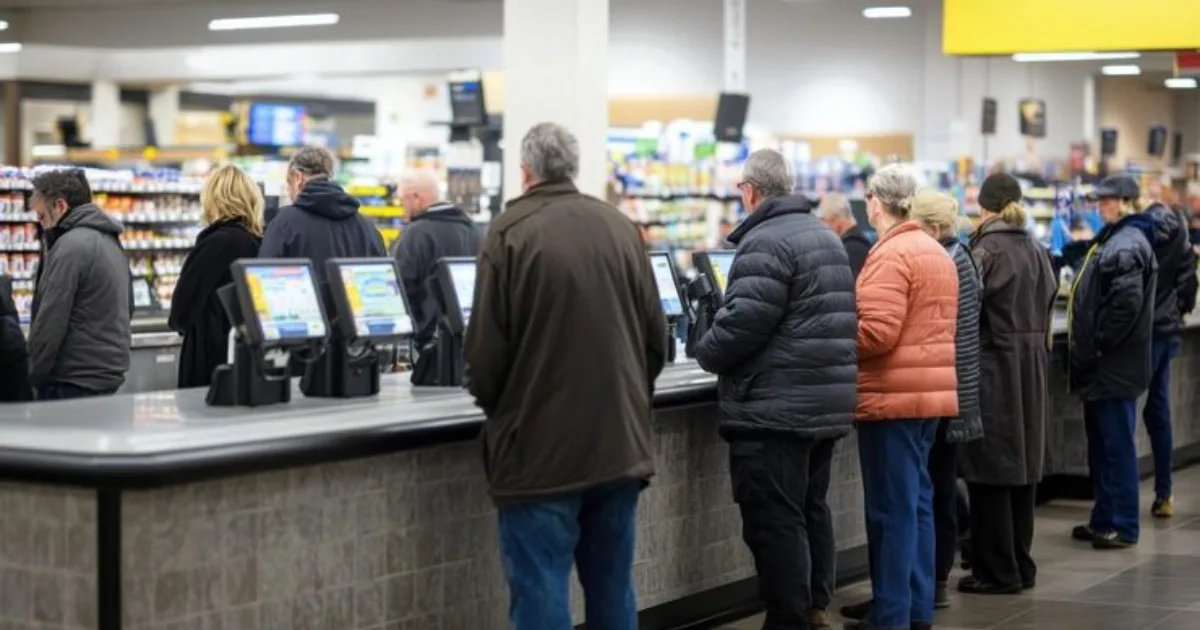
Most shoppers decide whether to stay or leave based on how they’re treated. Lines that stretch too long push people away before they even reach checkout. Because of this, stores now rely on smart systems to guide foot traffic smoothly through busy hours. Fewer delays mean more completed buys plus stronger trust in the store overall.
Flowing customers smoothly through stores becomes easier when shops use clever line systems. Because artificial intelligence grows smarter, many sellers now choose high-tech ways to handle lines. Waiting less happens naturally once digital tools take charge of turn-taking. Contact-free methods gain ground as people prefer touching nothing. Staying competitive means updating how queues work inside shopping places. Year after year, new tech shapes how fast service moves.
Understanding Retail Queue Management Systems?
Most people hate waiting around at stores. This kind of tool helps shops manage who comes next without crowding near checkout lanes. Rather than stand still, folks pick up their phone, sign into a waitlist online, then wander freely through aisles. Alerts pop up when it is time to return - no guesswork involved.
Built right into today’s methods, happier customers tend to buy more later. That small shift opens room for steady income gains without forcing anything.
Retail Queues Matter More Now
Some days bring sudden crowds into shops - sales, holidays, weekends. When lines grow too slow, people get annoyed then walk away. A good setup helps avoid that mess.
Implementing a retail queue management system helps businesses:
Reduce checkout congestion
Improve customer retention
Enhance in-store experience
Increase operational efficiency
Spending less time in line means shoppers get to browsing faster when queues move smoothly. Lines that flow without delays leave people feeling their visit was worth it. Moving folks along steadily keeps stores humming during busy hours. Fewer pauses at checkout add up to better days for staff and guests alike.
Essential functions of retail queue management software
Out there, today’s tools for handling store lines pack smart extras that keep things running smooth under pressure
Standing around waiting? Not here. A digital line lets people sign up on their phones instead. Scan a code, tap a button - get in without showing up. Your place is saved while you walk away. Phones replace paperwork. No need to be there to be next. Time spent elsewhere counts too.
Jump back when it’s your turn
Messages pop up fast when wait times shift. Alerts travel through phones or texts without delay
Self-Service Kiosks: Faster check-ins and reduced staff workload
AI-Based Analytics: Track customer behavior, wait times, and peak hours
POS and CRM work together with current store technology
Speed comes easier for shops when systems run smooth. Efficiency stays high because tasks move quicker behind the scenes.
Improved customer flow reduced wait times better staff allocation enhanced shopping experience increased operational efficiency
1. Reduced Waiting Time
Lines move smoother when systems adjust on their own. Bottlenecks fade as smart routing guides each person forward.
2. Higher Customer Satisfaction
Shopping feels calm, almost effortless, when things go right. A quiet ease settles in, step by step.
3. Increase in Sales and Conversions
Standing in line feels less like a wait when shoppers can browse instead. Revenue grows because time once lost now turns into opportunity.
4. Better Staff Productivity
Robots take over boring jobs so people can do more interesting things. Machines make fewer mistakes than humans when doing routine tasks.
5. Data-Driven Decision Making
From watching shoppers, stores learn where workers are needed most. Staff levels shift based on how busy it gets. Stock choices follow what people actually buy. Shelves change position to guide movement naturally.
Retail Queue Management Trends 2026
Out front, retail tech keeps changing fast - waiting lines are shifting too. Behind the scenes, new patterns stand out here
AI-Powered Queue Optimization for predicting rush hours
Contactless Queue Systems using QR codes and mobile apps
Omnichannel Queue Access across online and offline platforms
Cloud-Based Queue Management Software for scalability
Personalized Customer Journeys based on shopping behavior
Faster checkouts now come through clever tools reshaping how stores meet customers. Smart upgrades quietly shift the way shopping feels behind the scenes.
Choosing a queue management system for retail
When selecting a queue management system for retail, consider:
Ease of use and user experience
Integration with POS and CRM systems
Scalability for multi-store operations
Real-time analytics and reporting
Security and cloud capabilities
A well-picked system for handling lines in stores often leads to happier shoppers along with stronger results on revenue. While some tools just shuffle people around, others quietly reshape how time feels inside a shop. One person waits less - then tells three friends. Speed builds trust without loud promises. A smoother flow doesn’t shout - but it shows.
Conclusion
Standing in line used to be normal. Now, skipping the wait matters more than ever. Shops that skip long lines often see happier customers walking out. Faster service doesn’t just feel better - numbers show it adds up. Money spent on smart queues pays back fast. Waiting less leads directly to buying more. Growth by 2026 won’t come from guesswork - it’ll come from smooth flow. Systems that move people quickly turn time into profit. Empty lanes cost money. Filled ones build trust. Smarter lines mean fewer lost chances. Retail moves where patience runs thin. Efficiency becomes the edge.
Out front, shops using clever line control tools find folks leaving happier. Behind the scenes, it quietly sets them apart when buyers choose where to spend. A shift like this? It sticks - especially as more shopping slips online.