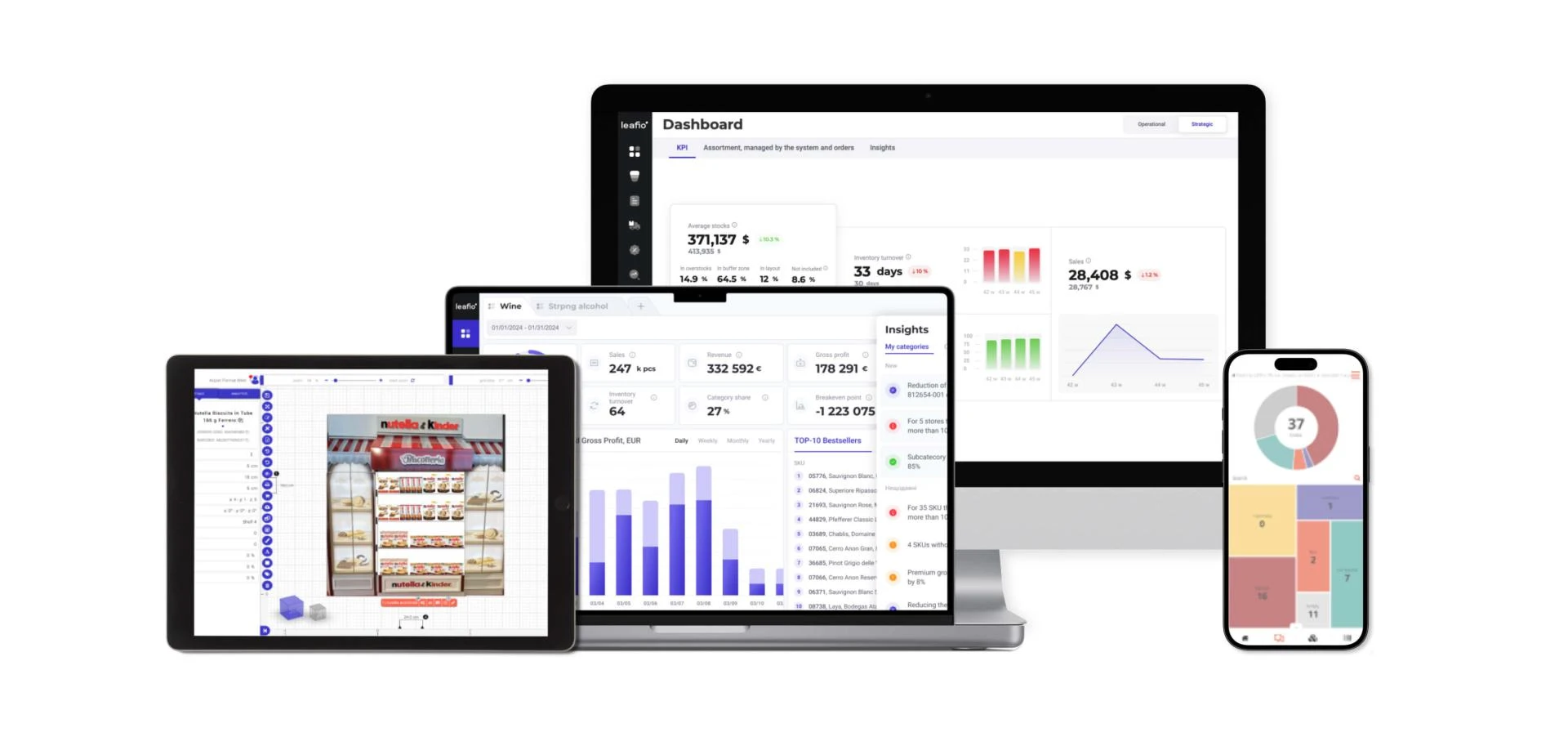
Retail merchandise planning systems are powerful software tools that enable retailers to effectively plan, purchase, allocate, and monitor merchandise based on data-driven insights.
These systems align business goals with inventory, sales forecasts, and customer demand to maximize revenue, optimize stock levels, and reduce markdowns. Whether you're a fashion retailer, department store, or omnichannel e-commerce brand, merchandise planning systems are essential for long-term profitability and operational efficiency.
What Is Retail Merchandise Planning?
Retail merchandise planning is the process of selecting and managing the right mix of products to be offered in specific locations or channels during a specific time period. It involves:
- Planning seasonal budgets
- Analyzing historical sales data
- Forecasting customer demand
- Determining product assortment and allocation
- Managing open-to-buy (OTB) budgets
A retail merchandise planning system automates and enhances this process by providing a centralized platform to make strategic decisions, improve forecast accuracy, and align with financial goals.
Core Functions of Merchandise Planning Systems
- Top-Down and Bottom-Up Planning
- Enables high-level financial planning and detailed store/SKU-level planning to align with overall targets.
- Assortment Planning
- Helps retailers define the right product mix for each region, channel, or customer segment.
- Inventory Planning
- Balances supply and demand, ensuring optimal stock levels without overstocking or stockouts.
- Open-to-Buy Management
- Tracks budget availability and purchase commitments in real-time.
- Pre-Season and In-Season Planning
- Plan initial buys before the season starts and refine strategies as sales data becomes available.
- Markdown Planning
- Strategically schedule discounts to minimize margin loss and clear old inventory.
- Visualization & Analytics
- Provides dashboards and reports to monitor key metrics like sell-through, gross margin return on investment (GMROI), and sales-to-stock ratio.
Benefits of Retail Merchandise Planning Systems
✅ Optimized Product Assortment
Tailor the right product mix for each location or customer group, improving sales conversion.
✅ Improved Forecast Accuracy
Use predictive analytics and AI to forecast demand more precisely and avoid excess inventory.
✅ Increased Profit Margins
Reduce markdowns and stock-outs, boosting gross margin and customer satisfaction.
✅ Real-Time Decision-Making
Access up-to-date data and insights for timely and agile planning across channels.
✅ Enhanced Collaboration
Centralized planning allows merchandising, buying, finance, and operations teams to work together seamlessly.
✅ Efficient Replenishment
Automatically adjust replenishment based on real-time sales and performance data.
Leading Retail Merchandise Planning Software Providers
Platform Key Features
Oracle Retail Merchandise Planning Advanced financial planning, forecasting, and lifecycle tracking
Blue Yonder (formerly JDA)AI-powered demand planning, inventory optimization
SAP Retail Planning Enterprise-level planning with deep integration with ERP
RELEX Solutions Strong in demand forecasting, replenishment, and automation
Infor Cloud Suite Retail Cloud-native suite with predictive analytics and OTB planning
Just Enough (Tools Group)Merchandise, promotion, and inventory planning in one
Anaplan for Retail Scenario planning and collaborative merchandising tools
Board International Combines merchandise planning with business intelligence
Key Metrics Tracked by Merchandise Planning Systems
- Sales vs Plan
- Gross Margin %
- Sell-Through Rate
- Inventory Turnover
- GMROI (Gross Margin Return on Inventory)
- Markdown %
- Open-to-Buy (OTB) Budget
Types of Retailers Using Merchandise Planning Tools
- Fashion and Apparel
- Seasonal trends and size curves require precise planning and markdown control.
- Department Stores
- Large SKU assortments across categories demand advanced planning tools.
- Specialty Retail
- Niche products and branding require detailed customer-centric assortments.
- Grocery and FMCG
- Fast-moving goods benefit from real-time inventory planning and forecasting.
- Omnichannel/E-commerce
- Synchronizing inventory across online and offline channels requires centralized systems.
Common Challenges Without Merchandise Planning Systems
- Inconsistent Planning Across Departments
- Leads to conflicting inventory and financial decisions.
- Overstock and Stockouts
- Poor forecasting causes lost sales or excessive markdowns.
- Low Visibility into Product Performance
- Difficult to adapt in-season without real-time insights.
- Manual Errors from Spreadsheet Use
- Inaccuracies and inefficiencies due to outdated planning tools.
- Lack of Alignment with Financial Goals
- Disconnected planning leads to missed sales or margin targets.
Best Practices for Implementing Merchandise Planning Systems
- Define Planning Objectives Clearly
- Start with clear KPIs and financial goals to structure the system accordingly.
- Integrate with Other Retail Systems
- Ensure seamless data flow with POS, ERP, WMS, and eCommerce platforms.
- Start with a Pilot Program
- Test the system with one region or product category before full rollout.
- Train Teams Thoroughly
- Equip users with the skills to use analytics and scenario tools effectively.
- Adopt a Continuous Planning Model
- Incorporate in-season adjustments to respond to real-time performance data.
The Future of Merchandise Planning Systems
- AI and Predictive Analytics
- Systems will continue to evolve with machine learning, offering increasingly accurate demand forecasts.
- Unified Commerce Planning
- Integration across eCommerce, brick-and-mortar, mobile, and marketplaces for a single view of inventory.
- Sustainability Integration
- Planning based on eco-conscious goals such as reducing waste, carbon footprint, and unsold inventory.
- Customer-Centric Planning
- Personalization based on loyalty programs, social trends, and localized preferences.
- Real-Time Collaboration Platforms
- Cloud-based tools enabling instant data access and communication across global teams.
Conclusion
Retail merchandise planning systems are no longer optional—they are foundational to modern retail success. By providing real-time visibility, intelligent forecasting, and collaborative workflows, these platforms empower retailers to plan smarter, execute faster, and deliver better results.
As consumer expectations rise and retail complexity grows, investing in the right merchandise planning technology ensures not only survival but sustainable, scalable growth. Whether you're a small boutique or a global chain, the right planning system can turn data into action and merchandise into revenue.